
When you think of joint stiffness, you probably picture sore mornings, slow starts, and that familiar ache that seems to linger no matter what you do. For the millions of people living with rheumatoid arthritis (RA), those symptoms can be daily hurdles. But what if a lesser-known form of vitamin E, tocotrienols, could actually help those with RA?
New clinical research from Malaysia is shining a spotlight on this potent antioxidant and its potential to ease joint discomfort in RA patients. And while the study focused on a specific patient group, the findings may have broader implications for anyone dealing with chronic inflammation and mobility challenges. Here’s what this new research could mean for your joints:
First, What Are Tocotrienols?
Vitamin E isn’t a single compound—it’s a family of eight. That includes four tocopherols (alpha, beta, gamma, delta) and four tocotrienols with the same prefixes. Most vitamin E supplements contain only alpha-tocopherol, which has dominated research and market share for decades.
But tocotrienols, once considered the lesser cousins, are gaining traction—and for good reason. Structurally, they differ by having an unsaturated side chain, which allows them to penetrate cell membranes more efficiently. Functionally, they appear to have stronger antioxidant and anti-inflammatory properties in certain tissues.
Unlike tocopherols, tocotrienols accumulate in different parts of the body—like the brain, liver, and skin—and may offer unique protective benefits that go beyond what conventional vitamin E provides.
The Study That Turned Heads
In July 2025, researchers in Malaysia published the results of a double-blind, placebo-controlled clinical trial examining the effects of tocotrienol-rich vitamin E supplementation in individuals with rheumatoid arthritis. Here’s how the study worked:
- Participants: Adults diagnosed with RA and already taking conventional disease-modifying antirheumatic drugs (DMARDs).
- Intervention: One group received tocotrienol-rich fraction (TRF) capsules, while the control group received a placebo.
- Duration: 24 weeks.
- Outcomes measured: Joint stiffness, pain levels, physical function, and inflammatory biomarkers.
The results were insightful. Patients who took tocotrienols reported a statistically significant reduction in morning joint stiffness compared to the placebo group. Inflammatory markers such as C-reactive protein (CRP) also decreased. Importantly, these improvements came without any notable adverse effects—suggesting a good safety profile alongside DMARD therapy.
Why Tocotrienols Work Differently
So, what’s behind these anti-stiffness effects? Tocotrienols are potent antioxidants—but they also modulate several key pathways involved in inflammation. In particular, they:
- Suppress NF-kB, a transcription factor that fuels the production of pro-inflammatory cytokines.
- Reduce COX-2 expression, which helps generate inflammatory prostaglandins.
- Inhibit oxidative stress at the cellular level, helping prevent tissue damage in joint linings.
- Improve mitochondrial function, which may reduce fatigue and stiffness.
Unlike some conventional anti-inflammatories, tocotrienols seem to target upstream inflammatory triggers without broadly suppressing immune function—making them an attractive candidate for integrative RA care.
What This Means for People With Joint Pain
If you live with joint pain—whether from RA, osteoarthritis, or just chronic wear and tear—this study adds something new to the conversation. Tocotrienol supplementation may:
- Reduce stiffness and improve range of motion
- Support joint health without the side effects of NSAIDs
- Enhance antioxidant protection for inflamed tissues
- Complement your existing treatment plan if you’re managing RA
Of course, it’s not a cure—and it won’t replace your medications. But it may be a smart, natural tool to support your joints and reduce your reliance on more aggressive interventions over time.
What to Know Before Supplementing
Before you reach for the nearest tocotrienol bottle, here are a few key things to consider:
- Not All “Vitamin E” Products Contain Tocotrienols
Most store-bought vitamin E products only contain alpha-tocopherol. Look for a supplement labeled as tocotrienol-rich fraction (TRF), palm-derived tocotrienols, or full-spectrum E with high tocotrienol content.
- Dosage Matters
The study used a moderate dose over several months. While there’s no universal recommendation yet, common therapeutic doses of tocotrienols range from 100–300 mg/day. Always start low and talk to a healthcare provider before adding new supplements to your routine.
- Timing and Consistency Count
Fat-soluble nutrients like tocotrienols are best absorbed with food that contains healthy fats. And consistency is key—don’t expect overnight results. The Malaysian study showed significant benefits at 24 weeks, not 24 hours.
A Note on Safe Supplementation
One of the most encouraging parts of this research was the safety data. Unlike high doses of alpha-tocopherol, which have been linked to potential pro-oxidant effects at megadoses, tocotrienols appear to be well-tolerated at moderate levels.
Still, if you’re taking medications (especially blood thinners), it’s essential to check in with your doctor. Tocotrienols can mildly affect platelet aggregation, so your provider should be in the loop.
Tocotrienols Are a Promising Step Forward for RA
The idea that vitamin E could help joints isn’t new—but this new research finally gives tocotrienols a new purpose. By targeting inflammation at the cellular level, reducing oxidative stress, and improving joint comfort, tocotrienol-rich supplements could offer a complementary path for people living with rheumatoid arthritis and other joint conditions.
If you’re looking for a natural, clinically studied way to feel more mobile and less stiff—especially when you wake up in the morning—it might be time to ask your healthcare provider: Are tocotrienols the missing piece in your joint health plan?
Related posts



Recommended Products
-
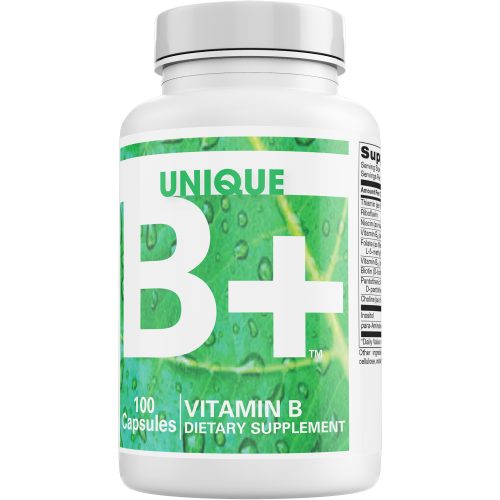
 UNIQUE Vitamin B+ Supplement - 100 Vegetarian Capsules
$31.06 - or subscribe and save up to 5%
UNIQUE Vitamin B+ Supplement - 100 Vegetarian Capsules
$31.06 - or subscribe and save up to 5%
-
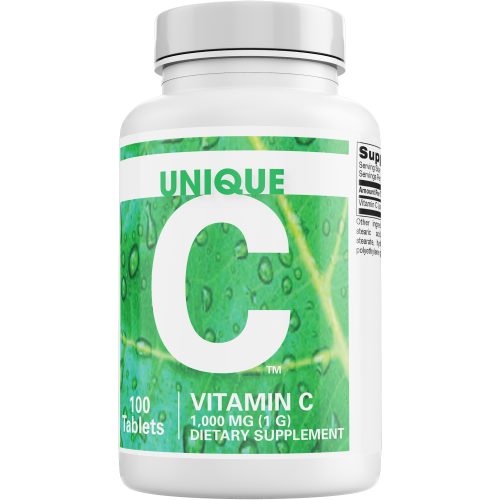
UNIQUE Vitamin C 1000 mg - 100 Tablets
$20.63 - or subscribe and save up to 5%
-
UNIQUE Vitamin D3™ – 5000 IU 125 mcg
$17.37 - or subscribe and save up to 5%
-
Unique E® GG Gold - Geranylgeraniol Supplement - 60 Softgels
$32.99 - or subscribe and save up to 5%
-
UNIQUE E® Mixed Tocopherols Concentrate – 30 Softgels
$16.99 - or subscribe and save up to 5%