
When we think about heart disease, we usually imagine it showing up later in life—after decades of fast food, missed workouts, poor sleep, or rising blood pressure. But new research suggests your cardiovascular health may begin slipping a lot earlier than expected. In fact, by the time most people turn 17, it already has. We need to take heart disease much more seriously at an early age.
A large-scale study published in the American Journal of Epidemiology found that key measures of cardiovascular wellness—like blood pressure, cholesterol, weight, and physical activity—start to decline before adulthood. So, by the time many young adults are finishing high school or starting college, their risk factors for future heart disease may already be in motion.
The stakes are high. Heart disease remains the leading cause of death in the United States, and cases among adults under 40 have more than doubled since 2010. But the danger doesn’t just come from aging—it’s the compounding effects of risk factors that take root early.
The Hidden Heart Health Crisis in Young Adults
In a statement summarizing the research, Dr. David Jacobs of the University of Minnesota put it bluntly: “Most children are born healthy, but unfortunately much of the benefit of heart health is lost during childhood.” The data is hard to ignore:
- 1 in 5 Americans ages 12–19 have unhealthy cholesterol levels.
- 1 in 3 teens already meet the criteria for prediabetes.
- 1 in 7 have elevated blood pressure.
- Over 14 million children and adolescents in the U.S. are classified as obese.
These factors place extra strain on the cardiovascular system, increasing inflammation, narrowing arteries, and potentially disrupting heart rhythm. Worse still, the earlier these patterns begin, the more damage they can cause over time.
In other words, waiting until your 50s to think about your heart may be too late. By then, prevention has given way to treatment.
Behaviors and Habits Contribute to Early Markers of Heart Disease
Part of the challenge is that early signs of cardiovascular decline often go unnoticed. Most 20-somethings don’t expect to be told their arteries are stiffening or their blood sugar is creeping up. But primary care professionals are seeing it more and more often.
“I frequently care for people in their early 20s who are already facing serious cardiovascular risk factors,” wrote Dr. Jewel Scott, a nurse practitioner and researcher at Duke University. She’s seen patients barely out of college with elevated blood pressure, high glucose levels, and obesity-related complications that used to be rare in that age group.
Sedentary habits and poor diet are two of the most powerful contributors. Only about one in four U.S. high schoolers meets the recommended hour of daily physical activity. Add in poor sleep, stress, and the rise of nicotine use (including vaping, which nearly doubled among 18- to 23-year-olds from 2002 to 2018), and it’s no wonder that young hearts are under strain. Fortunately, much of this is reversible.
It’s Never Too Early to Build a Heart-Healthy Foundation
While the data may sound grim, it also presents a massive opportunity—because early risk doesn’t have to lead to long-term disease. Research shows that simple, consistent lifestyle changes can dramatically improve heart health at any age:
- Exercise: 150 minutes per week of moderate activity like walking, biking, or swimming.
- Sleep: 7 to 9 hours of quality rest per night to help regulate blood pressure and metabolism.
- Diet: A mix of vegetables, fruits, whole grains, and heart-healthy fats.
- Stress management: Mindfulness, therapy, or social connection to lower cortisol levels.
- Routine checkups: Blood pressure, cholesterol, and blood sugar screening, especially if you’re over 20.
Dr. Mingsum Lee, a cardiologist with Kaiser Permanente, described the cumulative impact of even one positive change: “Exercise, for example, can curb cigarette cravings, improve sleep, and boost mental well-being—all critical for heart health.”
It’s a snowball effect in the right direction. And the earlier you start, the more momentum you build.
Where Does Vitamin E Fit In?
Vitamin E, a fat-soluble antioxidant, plays a supporting role in cardiovascular health by helping protect cells from oxidative stress. This is especially important when it comes to the health of your blood vessels and the prevention of arterial plaque buildup. Research has shown that Vitamin E may help:
- Support healthy cholesterol levels.
- Protect LDL particles from oxidation.
- Improve endothelial function (how well your blood vessels dilate).
- Reduce inflammation, a key player in heart disease development.
There’s a lot of variety when it comes to Vitamin E supplements. Many products on the market contain only the synthetic form of alpha-tocopherol or lack the full spectrum of tocopherols and tocotrienols that naturally occur in food. Others are blended with artificial additives or incomplete compounds that may not deliver the benefits your body needs.
Supplement Safely at Any Age—We Can Help
At A.C. Grace, we’ve spent over 60 years developing a single specialty: high-purity, all-natural Vitamin E. Our signature formulas are free of additives, fillers, and synthetics, and contain the full spectrum of tocopherols and tocotrienols found in nature.
We believe that proactive wellness doesn’t start when the doctor says it’s time—it starts the moment you decide your health is worth protecting. Whether you’re just beginning your wellness journey in your 20s or aiming to maintain heart health into your 60s and beyond, Vitamin E can be part of a smart, preventive routine.
But supplements are just that—supplemental. Always talk to your doctor before adding anything new, especially if you have existing conditions or are taking medications. Then, when you’re ready to choose a trusted source, choose the all-natural option backed by decades of experience.
Related posts



Recommended Products
-
 UNIQUE E® Mixed Tocopherols Concentrate - 120 Softgels
$44.62 - or subscribe and save up to 15%
UNIQUE E® Mixed Tocopherols Concentrate - 120 Softgels
$44.62 - or subscribe and save up to 15%
-
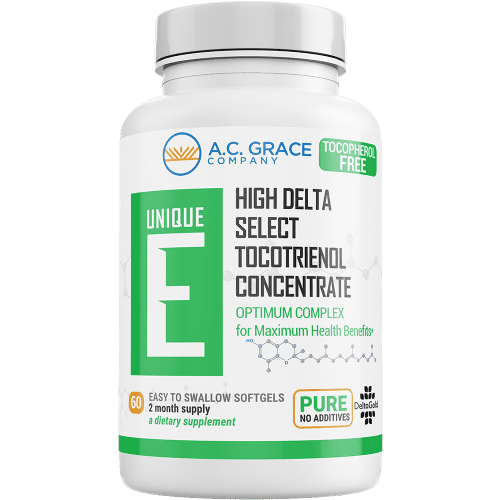
UNIQUE E® Tocotrienols – Tocopherol FREE – 60 Softgels
$42.99 - or subscribe and save up to 15%
-
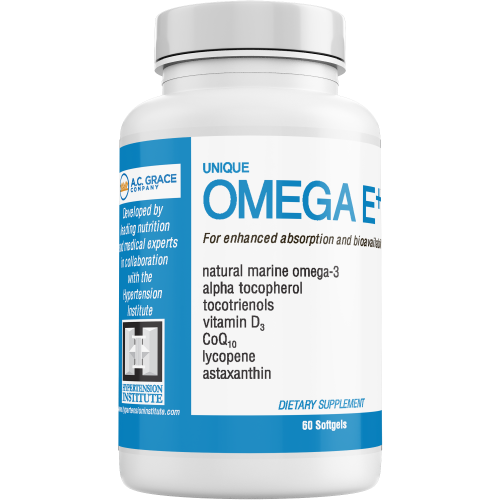
UNIQUE OMEGA E+® Omega 3 With Vitamin E – 60 Softgels
$25.99 - or subscribe and save up to 15%
-
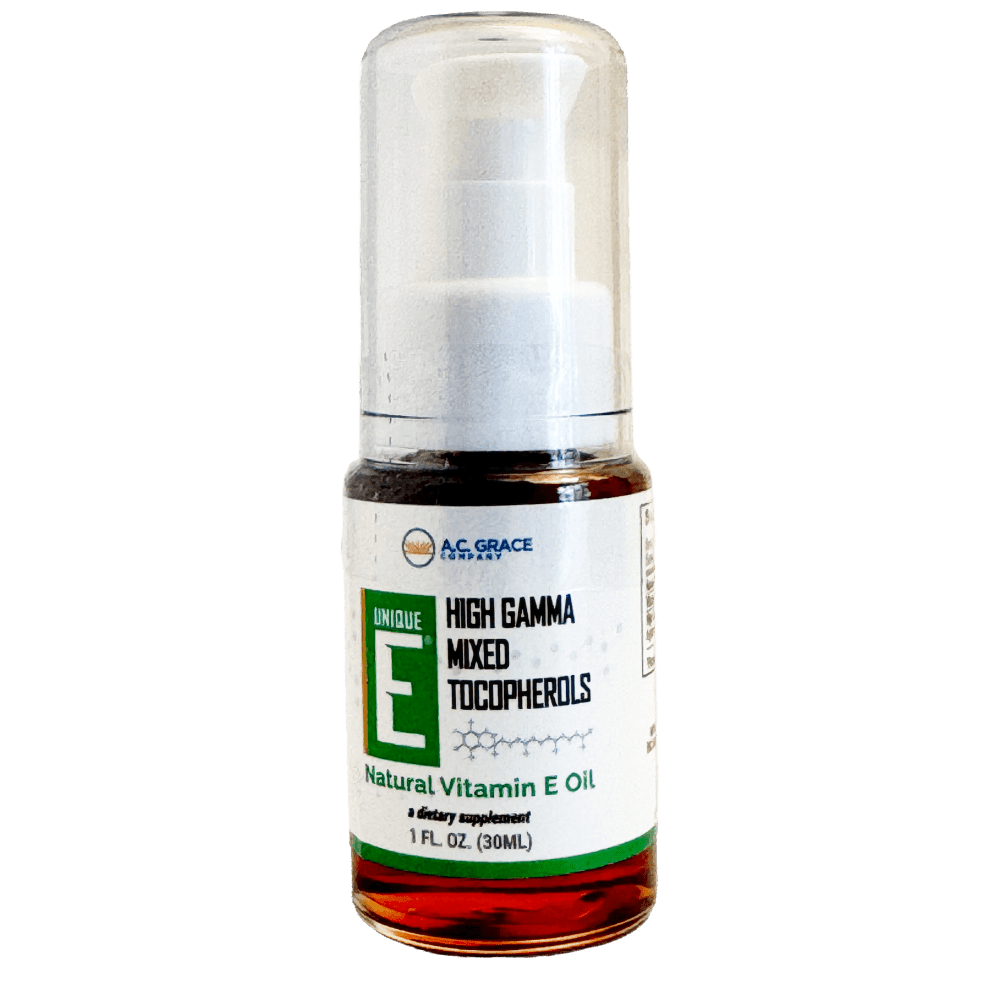
UNIQUE E® Mixed Tocopherols Concentrate Vitamin E Oil – 1 Ounce Pump Bottle
$22.27 - or subscribe and save up to 15%
-
Unique E® GG Gold - Geranylgeraniol Supplement - 60 Softgels
$32.99 - or subscribe and save up to 15%