
When it comes to workout recovery, most of us think in terms of protein shakes, foam rollers, or maybe popping a supplement or two. But what if something as simple as a handful of almonds could actually make a difference? New research suggests that chronic almond snacking—rich in vitamin E (specifically α-tocopherol)—may help reduce perceived muscle soreness and preserve function after demanding workouts. And it’s not just theory—this was tested head-to-head against pretzels in a randomized, crossover human trial. Here’s what you need to know:
The Study: Almonds vs. Pretzels in Muscle Recovery
A 2024 study published in Frontiers in Nutrition followed 25 mildly overweight, middle-aged adults as they completed two 8-week snack interventions: one with 57g/day of raw almonds, and the other with a calorie-matched portion of pretzels. After each intervention, participants performed a 30-minute downhill treadmill run—an exercise known to cause eccentric muscle damage and delayed onset muscle soreness (DOMS). Researchers then tracked markers like:
- Muscle soreness (via visual analog scales).
- Jump performance.
- Blood markers like creatine kinase (CK) and C-reactive protein (CRP).
Key Findings: Less Soreness, More Function
While the almond group didn’t show a statistically significant reduction in CK levels (a typical blood marker for muscle damage), they did report less soreness—especially when it came to performing physical tasks like vertical jumping. In fact:
- Soreness during vertical jumps was 24% lower after the almond phase compared to the pretzel phase.
- Vertical jump performance was better maintained, suggesting stronger recovery of neuromuscular function.
- No differences were found in isokinetic torque (leg strength), but the functional benefit in jump performance still stood out.
So, even if biomarkers didn’t tell the whole story, athletes felt and performed better when almonds were part of their daily routine.
Why Almonds? The Nutrient Profile Behind the Benefit
Almonds pack a recovery-supporting punch. A single 57g serving delivers:
- 7.7mg of α-tocopherol (vitamin E’s most active antioxidant form).
- Roughly 6g of protein, including branched-chain amino acids (BCAAs).
- Healthy fats, fiber, and phytonutrients.
- Anti-inflammatory compounds like polyphenols.
This makes almonds not just a “snack,” but a functional food—something that works with your body to support a specific outcome: in this case, better recovery from muscle damage.
The vitamin E content is especially relevant. α-Tocopherol helps protect muscle cell membranes from oxidative damage during and after eccentric exercise (like downhill running). Over time, higher baseline levels of α-tocopherol may mean less inflammation, less soreness, and more resilience.
A Functional Edge for Real-World Athletes
While most studies on recovery involve high-level athletes, this one was refreshingly practical. Participants were not elite—just moderately active, middle-aged adults trying to stay in shape. That’s part of what makes the results so compelling: if almonds can support recovery in average folks, the benefits may be even more noticeable in undertrained or soreness-prone populations. Whether you’re:
- Returning from a long break
- Starting a new lifting plan
- Tackling a hard running block
- Or just someone who gets sore for days after leg day
Adding almonds to your daily routine could be a low-risk, food-first strategy to make recovery a little easier.
What About Inflammation and Cardiometabolic Health?
Interestingly, the study didn’t find significant changes in C-reactive protein (CRP) or blood lipids like LDL and triglycerides across the 8 weeks. But the researchers noted that participants already had healthy baseline profiles, meaning there wasn’t much room for improvement. That said, the vitamin E and polyphenols in almonds are still biologically active, and it’s possible that benefits emerge more clearly in higher-risk or less-healthy populations.
How to Use Almonds for Recovery
Almonds offer antioxidant support where it counts—in your muscle tissue and recovery process. Here’s how to use them:
- Stick with whole, raw almonds. That’s what the study used—no sugar-coating, roasting, or added oil.
- Dose: ~57g/day (about 2 ounces or 1/3 cup). Split it across snacks or meals.
- Be consistent. The benefits came from 8 weeks of daily use—not just one handful after a single workout.
- Pair with other food-first habits. Adequate sleep, hydration, and protein matter just as much.
Note: If you’re allergic to nuts or have dietary restrictions, there are other vitamin-E–rich foods (like sunflower seeds or olive oil), but the combination of protein, micronutrients, and antioxidants in almonds is hard to replicate in one bite.
Talk to Your Doctor (and Your Coach)
Many athletes lean on vitamin E or C supplements, but isolated high-dose antioxidant use has been shown to occasionally blunt training adaptations. A food-first approach like almonds offers built-in moderation, bioavailability, and synergy with other nutrients.
That means less risk of over-supplementing and a greater chance of long-term compliance—you’re more likely to snack on almonds daily than swallow a capsule every time you work out.
If you’re adding almonds for recovery, talk to your healthcare provider—especially if you:
- Have nut allergies or digestive sensitivities.
- Take blood thinners (vitamin E can interact).
- Have calorie-specific goals for weight loss or performance.
Natural Vitamin E With a Performance Bonus
Recovery is the way to get back to training sooner and performing better when you do. This study shows that almonds, thanks in large part to their α-tocopherol content, may help you do just that.
If you’re looking for a sustainable way to support muscle recovery with real food, almonds are an easy win. They taste great, travel well, and come with bonus nutrients your body can actually use.
Want to pair food-first recovery with high-purity supplements when needed? A.C. Grace offers clean, clinically-backed vitamin E supplements you can layer into your routine when diet alone isn’t cutting it. Combine both for a well-rounded, athlete-tested recovery plan.
Related posts



Recommended Products
-
 UNIQUE Vitamin D3™ – 5000 IU 125 mcg
$17.37 - or subscribe and save up to 5%
UNIQUE Vitamin D3™ – 5000 IU 125 mcg
$17.37 - or subscribe and save up to 5%
-
Cardio Unique E® – 60 Capsules in a Capsule
$42.35
-
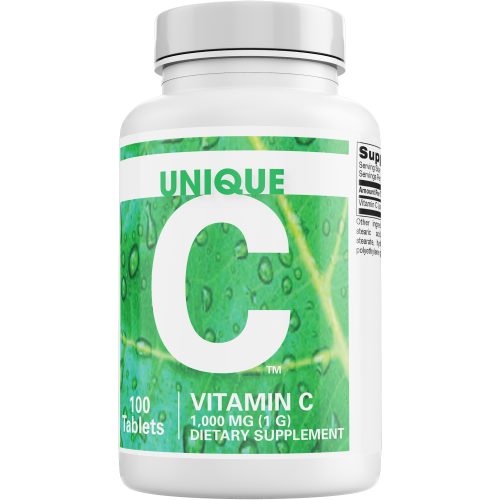
UNIQUE Vitamin C 1000 mg - 100 Tablets
$20.63 - or subscribe and save up to 5%
-
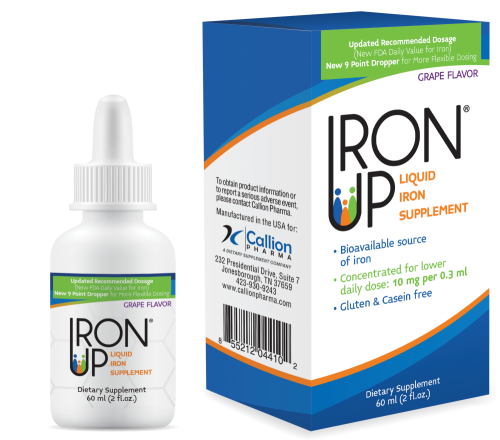
IronUp® Liquid Iron Supplement
$34.75 - or subscribe and save up to 5%
-
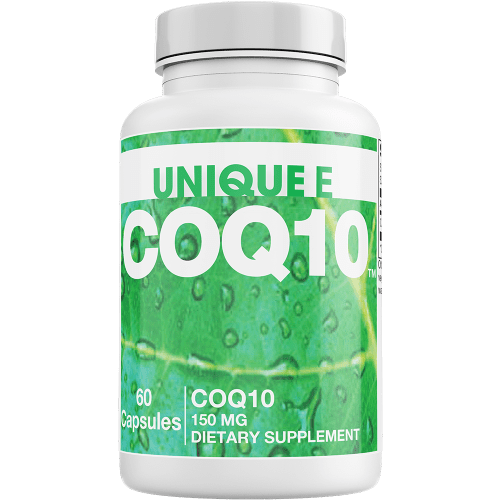
UNIQUE CoQ10™ Ubiquinol 150 mg CQ10 - 60 Softgels
$43.81 - or subscribe and save up to 5%