
Millions of Americans are now taking GLP-1 receptor agonists—medications like Ozempic, Wegovy, Mounjaro, and Zepbound—and the results speak for themselves. Significant weight loss. Better blood sugar control. Reduced cardiovascular risk. For many patients, these drugs represent a genuine turning point.
But there’s a conversation that isn’t happening often enough in the exam room: when you eat significantly less food, you also absorb significantly fewer nutrients. And one of the most critical gaps—one that touches your immune system, your heart, your brain, and your cells—is Vitamin E.
The Appetite Suppression Problem
GLP-1 medications work, in part, by slowing gastric emptying and suppressing appetite. That’s the mechanism behind the weight loss. But it’s also the mechanism behind an emerging nutritional problem.
A 2025 cross-sectional study published in Frontiers in Nutrition measured actual nutrient intake among adults who had been on a GLP-1 medication for at least one month. The findings were striking. Participants fell short of the Dietary Reference Intake for eleven key nutrients, including fiber, calcium, iron, magnesium, potassium, vitamins A, C, and D—and Vitamin E, where average intake came in at just 9.6mg against a recommended daily allowance of 15mg.
That’s a meaningful shortfall, and it happened because GLP-1 medications do exactly what they’re designed to do: reduce how much food a person consumes. Less food means less of everything the body needs, including the fat-soluble vitamins that are hardest to come by.
An established precedent
A 2026 perspective published in the International Journal of Obesity drew an important parallel to bariatric surgery patients, who face similar nutritional challenges due to reduced intake and altered digestion. In the bariatric world, proactive supplementation has long been standard protocol. Researchers are now calling for a similar framework to be developed for GLP-1 users.
Why Vitamin E Is Particularly Easy to Miss
Of all the nutrients at risk on a GLP-1 regimen, Vitamin E is one of the most overlooked—in part because deficiency doesn’t produce immediate, obvious symptoms, and in part because most attention goes to nutrients like Vitamin D, iron, and B12.
But Vitamin E is uniquely vulnerable to the dietary changes GLP-1 medications produce. Vitamin E is a fat-soluble nutrient. The body absorbs it alongside dietary fat. When GLP-1 users adopt the low-fat diets commonly recommended alongside these medications (or simply eat less overall) both the intake and absorption of Vitamin E decline simultaneously. Unlike water-soluble vitamins, which can be more easily replaced through a wide variety of foods, fat-soluble vitamins require consistent dietary fat and adequate caloric intake to do their job.
A review published by GoodRx and evaluated by clinical pharmacists specifically flags Vitamins A, D, and E as nutrients of concern for GLP-1 users precisely because of this dynamic. The recommendation? Talk to your prescriber about supplementation before a deficiency develops
Not All Vitamin E Supplements Are Created Equal
If you’re on a GLP-1 medication and considering Vitamin E supplementation, the form of Vitamin E you choose matters considerably.
Most inexpensive, mass-market Vitamin E supplements contain only alpha-tocopherol—a single synthetic form of the vitamin. But Vitamin E in nature exists as a family of eight related compounds: four tocopherols (alpha, beta, gamma, and delta) and four tocotrienols. Each form has distinct biological activity, and research increasingly suggests that the full spectrum works better than any single compound alone.
Gamma-tocopherol, for example, has been shown in large-scale studies to be more strongly associated with protective benefits than alpha-tocopherol alone—yet it’s absent from most standard supplements. Tocotrienols, meanwhile, have demonstrated potent antioxidant activity in emerging research, with some studies suggesting they’re significantly more effective than tocopherols at combating certain forms of oxidative cellular damage.
Mixed tocopherol and tocotrienol supplements—those that include all eight naturally occurring forms—more closely replicate what the body would receive from a nutrient-dense diet. Specifically, look for a supplement that includes:
- Alpha-tocopherol: the most studied form, widely recognized for its antioxidant role.
- Gamma-tocopherol: associated with stronger protective benefits in large-scale studies.
- Delta-tocopherol: works synergistically with other forms to boost antioxidant activity.
- Tocotrienols: potent at combating certain forms of oxidative cellular damage.
Together, these forms deliver the full protective benefit that a reduced-calorie diet on a GLP-1 regimen is likely to leave behind.
A Gap Worth Closing
GLP-1 medications are genuinely effective, and for many patients they represent an important step toward better long-term health. But weight loss achieved by eating significantly less food creates real nutritional trade-offs that deserve proactive attention.
The research is clear that GLP-1 users fall short on Vitamin E. The mechanisms are well understood—reduced intake, reduced dietary fat, reduced absorption. And the consequences of long-term Vitamin E deficiency—compromised immune function, increased oxidative stress, neurological vulnerability, cardiovascular risk—run directly counter to the health goals these medications are meant to support.
If you’re currently taking a GLP-1 medication, it’s worth having a specific conversation with your prescriber about your fat-soluble vitamin levels—and about whether a high-quality, full-spectrum Vitamin E supplement belongs in your daily regimen alongside your medication.
Related posts



Recommended Products
-
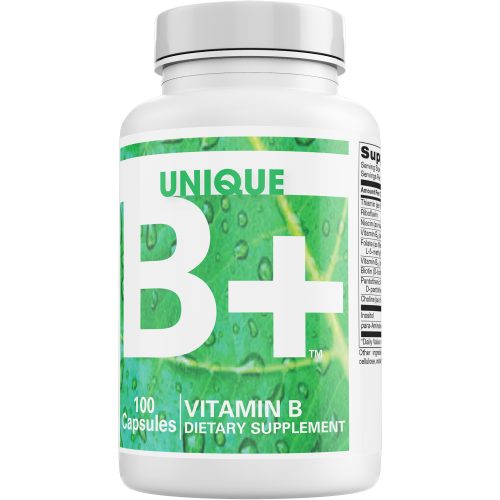
 UNIQUE Vitamin B+ Supplement - 100 Vegetarian Capsules
$31.06 - or subscribe and save up to 15%
UNIQUE Vitamin B+ Supplement - 100 Vegetarian Capsules
$31.06 - or subscribe and save up to 15%
-
UNIQUE Vitamin D3™ – 5000 IU 125 mcg
$17.37 - or subscribe and save up to 15%
-
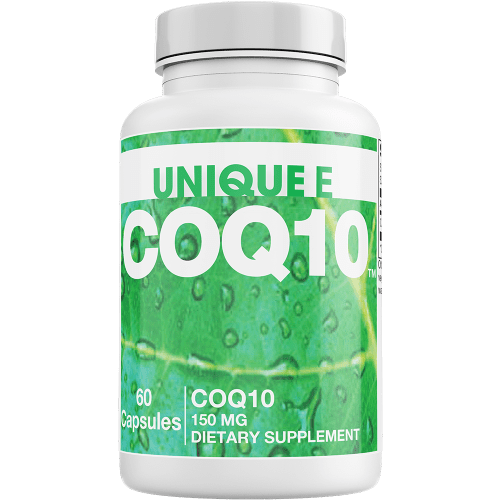
UNIQUE CoQ10™ Ubiquinol 150 mg CQ10 - 60 Softgels
$43.81 - or subscribe and save up to 15%
-
Cardio Unique E® – 60 Capsules in a Capsule
$42.35 - or subscribe and save up to 15%
-
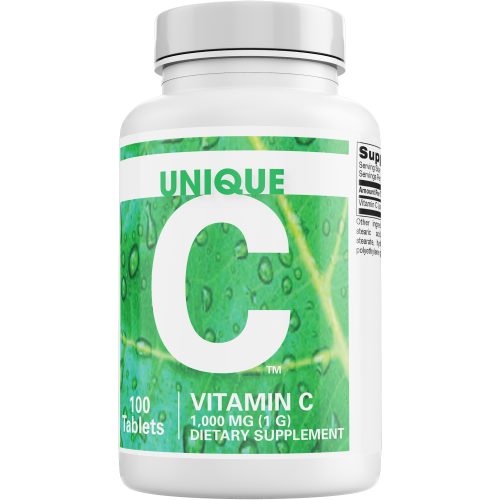
UNIQUE Vitamin C 1000 mg - 100 Tablets
$20.63 - or subscribe and save up to 15%