
For most people, the conversation about blood sugar management centers on diet, exercise, medication, and weight. Vitamin E rarely enters the picture. But a growing body of clinical research suggests it probably should—particularly for the roughly 38 million Americans living with Type 2 diabetes and the additional 96 million with prediabetes who are quietly watching their numbers creep in the wrong direction.
The connection runs through one of the core mechanisms driving poor blood sugar control in the first place: oxidative stress.
The Oxidative Stress-Blood Sugar Cycle
Elevated blood sugar and oxidative stress have a circular relationship that makes both harder to manage over time.
When blood glucose levels remain persistently high, the body produces an excess of reactive oxygen species—unstable molecules that damage cells, impair insulin signaling, and degrade the function of pancreatic beta cells, the cells responsible for producing insulin. As those cells become less efficient, blood sugar control worsens. As blood sugar control worsens, oxidative stress increases further.
This cycle plays out in the tissues where blood sugar regulation generally happens:
- Skeletal muscle. The body’s primary site for glucose uptake, where oxidative stress impairs the insulin receptor signaling that moves glucose out of the bloodstream and into cells
- Pancreatic beta cells. Particularly sensitive to oxidative damage, which reduces their capacity to produce and secrete insulin in response to rising blood sugar
- The liver. Where oxidative stress promotes excess glucose production and impairs the suppression of glucose output that normally occurs after eating
- Blood vessel walls. Where oxidative damage drives the vascular complications—neuropathy, retinopathy, nephropathy—that define the long-term burden of poorly controlled diabetes
Vitamin E, as the body’s primary fat-soluble antioxidant, is directly relevant to every point in this cycle. It works at the lipid membranes of cells—exactly where oxidative stress does its most damaging work in metabolic disease.
What the Clinical Research Shows
The evidence connecting Vitamin E supplementation to improved glycemic control has accumulated across decades and dozens of randomized controlled trials. Three recent reviews bring the picture into focus:
- 38-RCT meta-analysis, 2023. Across 2,100+ diabetic patients, Vitamin E supplementation produced significant improvements in HbA1c, fasting insulin, and insulin resistance (HOMA-IR). Short-term interventions also produced reductions in fasting blood glucose.
- Nutrition Reviews meta-analysis, February 2026. High antioxidant supplementation including Vitamin E was inversely associated with insulin resistance in Type 2 diabetes patients, with consistent glycemic benefits and improvements in lipid profiles across supplementation approaches.
- Cureus narrative review, 2025. Oxidative stress is a central driver not just of poor glycemic control, but of diabetic neuropathy—affecting more than half of people with longstanding diabetes. Vitamin E showed potential for reducing oxidative stress and improving glycemic markers across the diabetic complications spectrum.
HbA1c—glycated hemoglobin—is the most clinically meaningful of these markers. It reflects average blood sugar levels over a two-to-three-month period and is the primary metric physicians use to assess diabetes management. A significant reduction in HbA1c across 32 randomized controlled trials isn’t a marginal finding: it’s the sign of something real.
Where Tocotrienols Add a Distinct Advantage
The research above draws on Vitamin E supplementation broadly—but form matters.
A 24-week randomized, double-blind, placebo-controlled trial in 110 patients with Type 2 diabetes found that tocopherol-free tocotrienol supplementation improved multiple glycemic markers simultaneously: fasting blood glucose, HbA1c, fasting insulin, and HOMA-IR. Inflammatory markers IL-6 and TNF-alpha dropped by 15.9% and 13.7% respectively, with no meaningful changes in the placebo group—the first time tocotrienol had been shown to manage blood sugar through multiple pathways at once.
A separate study in Type 2 diabetes patients with poor glycemic control found a 15.4% reduction in fasting blood sugar alongside a 21.4% increase in total antioxidant capacity in the tocotrienol group, compared to a 3.9% increase and 2.3% improvement respectively in controls.
The performance advantage comes down to molecular structure. Tocotrienols’ unsaturated side chain allows them to integrate into cell membranes more efficiently than tocopherols, giving them greater antioxidant potency and more direct engagement with the inflammatory pathways driving insulin resistance—mechanisms that tocopherols don’t address as effectively.
A Practical Consideration
None of this suggests that Vitamin E replaces the established pillars of blood sugar management—diet, exercise, prescribed medications, and regular monitoring remain foundational. What the research does suggest is that for people managing Type 2 diabetes or elevated blood sugar, Vitamin E—and tocotrienols specifically—may offer a meaningful complementary role by addressing the oxidative stress and inflammatory mechanisms that conventional approaches don’t directly target.
It also raises a question worth asking about the Vitamin E supplement on your shelf: most standard products contain only alpha-tocopherol, the form least represented in the tocotrienol-specific blood sugar research. Supplements that provide tocotrienols—particularly in tocopherol-free form—more directly reflect the compounds showing the strongest glycemic benefit in clinical trials.
Discuss any supplement additions with your healthcare provider, particularly if you’re currently taking medications for blood sugar management or blood thinning. The goal is a comprehensive approach—and Vitamin E, understood in its full complexity, has a more meaningful place in that picture than most people have been told.
Related posts



Recommended Products
-
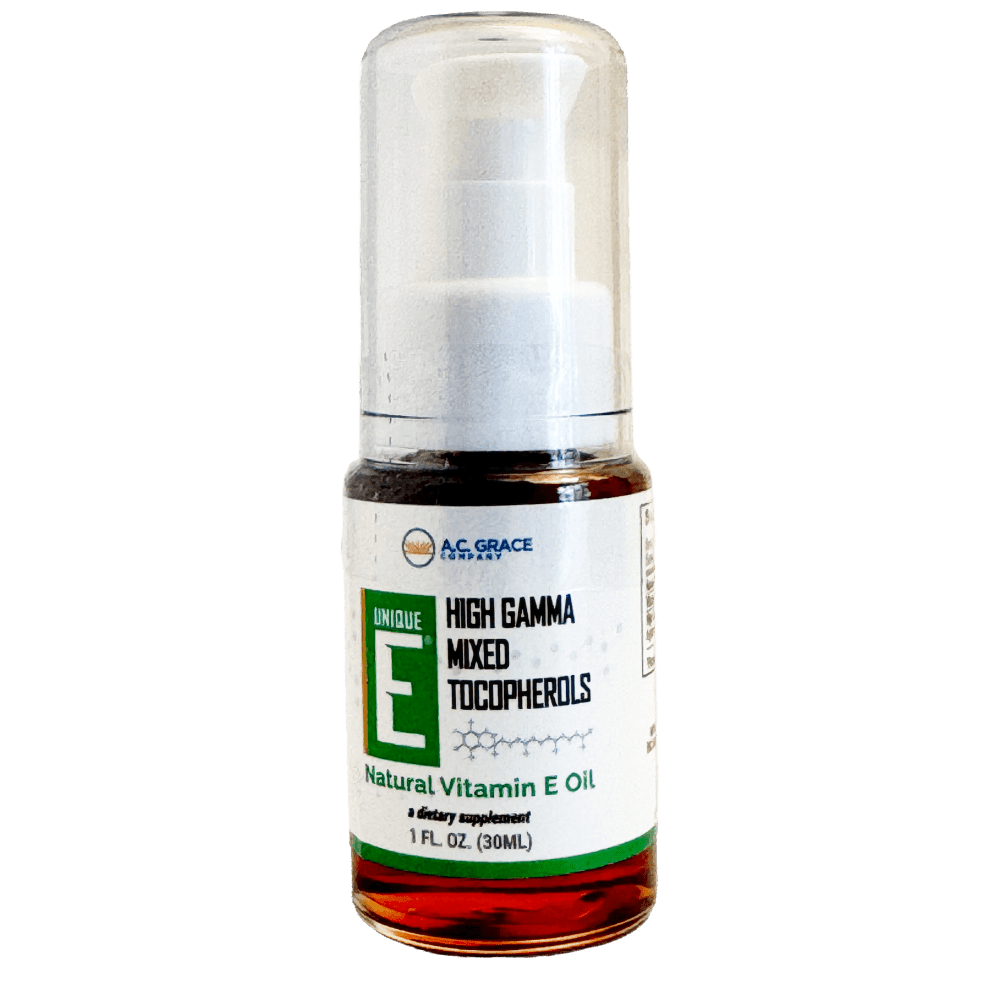
 UNIQUE E® Mixed Tocopherols Concentrate Vitamin E Oil – 1 Ounce Pump Bottle
$22.27 - or subscribe and save up to 15%
UNIQUE E® Mixed Tocopherols Concentrate Vitamin E Oil – 1 Ounce Pump Bottle
$22.27 - or subscribe and save up to 15%
-
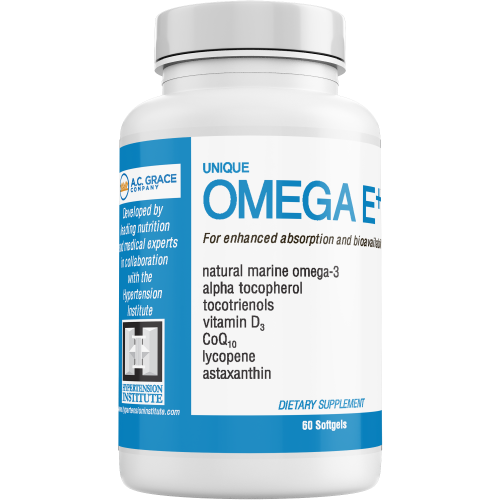
UNIQUE OMEGA E+® Omega 3 With Vitamin E – 60 Softgels
$25.99 - or subscribe and save up to 15%
-
UNIQUE E® Mixed Tocopherols Concentrate - 120 Softgels
$44.62 - or subscribe and save up to 15%
-
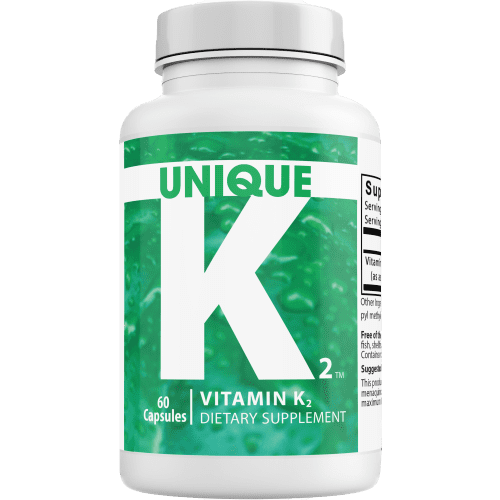
UNIQUE Vitamin K2™ Supplement - MK-7 50mgc
$29.08 - or subscribe and save up to 15%
-
Cardio Unique E® – 60 Capsules in a Capsule
$42.35 - or subscribe and save up to 15%