
If you’re taking a GLP-1 medication—Ozempic, Wegovy, Mounjaro, Zepbound—the number on the scale is probably moving in the right direction. That’s the point. But there’s a second number that doesn’t get nearly as much attention, and for many GLP-1 users it’s moving in the wrong direction at the same time: lean muscle mass.
Weight loss and muscle loss are not the same thing. Understanding the difference—and the role vitamin E plays in balancing them—is one of the most important conversations happening in obesity medicine right now.
The Lean Mass Problem
GLP-1 medications are effective at reducing total body weight and fat mass—but a consistent finding across multiple studies is that a meaningful portion of that weight loss comes from lean tissue, not just fat. A meta-analysis of 22 randomized controlled trials found that lean mass accounted for approximately 25% of total weight loss in GLP-1 users.
The stakes compound when patients stop the medication. Research shows that regained weight tends to come back disproportionately as fat rather than muscle—meaning each cycle of loss and regain can leave a person with less lean mass than before they started.
Why Muscle Loss Matters
Muscle isn’t just about appearance or athletic performance. It’s metabolically active tissue that plays a central role in how the body regulates blood sugar, burns calories, and maintains strength and mobility as we age. Losing significant lean mass during weight loss creates real risks:
- Reduced glucose disposal. Skeletal muscle is the body’s primary site for glucose uptake. Less muscle means less metabolic efficiency, which can work against the very metabolic goals GLP-1 therapy is designed to support.
- Functional decline. Decreases in grip strength and walking speed—the same markers found in the semaglutide cohort study—are validated predictors of long-term health outcomes and independence in older adults.
- Sarcopenia risk. When muscle loss is severe enough, it crosses into clinical sarcopenia, a condition increasingly recognized as a serious health threat, particularly in people with obesity (a condition researchers now call “sarcopenic obesity”).
- Lower resting metabolism. Less muscle means fewer calories burned at rest, making weight maintenance harder over the long term.
The Oxidative Stress Connection
Obesity is associated with elevated oxidative stress—an imbalance between free radical production and the body’s ability to neutralize it. Rapid weight loss generates additional oxidative stress as the body metabolizes fat stores, and at the cellular level that surge in reactive oxygen species can damage muscle proteins and contribute to the wasting researchers are documenting in GLP-1 populations.
A 2025 narrative review in Obesity Pillars identified antioxidant supplementation as a key strategy for GLP-1 users, noting that patients on these medications consistently fall short on antioxidant nutrients—including Vitamin E—and would likely benefit from supplementation to protect cellular health and counter uncontrolled oxidative stress.
Where Vitamin E Fits In
Vitamin E is the body’s primary fat-soluble antioxidant, working directly at the lipid membranes surrounding muscle cells—exactly where GLP-1-related oxidative stress does its damage. A meta-analysis of 44 randomized controlled trials found that Vitamin E supplementation had a measurable protective effect on creatine kinase and lactate dehydrogenase, two muscle damage markers that rise during caloric restriction and metabolic stress.
The problem is that Vitamin E is absorbed alongside dietary fat. When GLP-1 medications suppress appetite and patients adopt lower-fat diets, both intake and absorption fall simultaneously—a 2025 study in Frontiers in Nutrition confirmed GLP-1 users are averaging well below the 15 mg RDA. The result: elevated oxidative stress at the cellular level, and the primary antioxidant designed to counter it being depleted at the same time.
What You Can Actually Do
The research points toward a multi-pronged approach for GLP-1 users who want to protect their muscle mass:
- Prioritize protein. Current guidance for GLP-1 users suggests 1.2 to 2.0 grams of protein per kilogram of body weight daily. Most GLP-1 users fall short of this on reduced-calorie diets.
- Incorporate resistance training. Multiple studies confirm that structured strength training is the most effective intervention for preserving lean mass during GLP-1-induced weight loss. Even modest amounts of resistance exercise make a meaningful difference.
- Address nutrient gaps proactively. Fat-soluble vitamins, including Vitamin E, are among the nutrients most at risk during GLP-1 therapy and the least likely to be replenished through a reduced-calorie, lower-fat diet.
- Choose full-spectrum Vitamin E. Not all Vitamin E supplements are equivalent. Mixed tocopherol and tocotrienol formulas—those that include all eight naturally occurring forms of the vitamin—more closely replicate what a nutrient-dense whole-food diet would provide and deliver the broadest antioxidant protection.
GLP-1 medications represent a genuine advance in the treatment of obesity and metabolic disease. But weight loss and muscle loss are not the same thing, and the distinction matters for long-term health. The goal isn’t just a lower number on the scale—it’s a healthier body composition, a more resilient metabolism, and the functional strength to support the life that weight loss makes possible.
Closing the nutritional gaps that GLP-1 therapy creates, including adequate Vitamin E, is a straightforward and evidence-supported step toward making sure the weight you lose is the weight you meant to lose.
Related posts



Recommended Products
-
 UNIQUE E® Mixed Tocopherols Concentrate - 120 Softgels
$44.62 - or subscribe and save up to 15%
UNIQUE E® Mixed Tocopherols Concentrate - 120 Softgels
$44.62 - or subscribe and save up to 15%
-
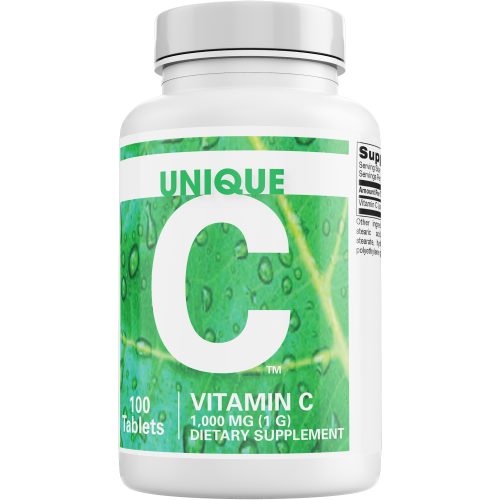
UNIQUE Vitamin C 1000 mg - 100 Tablets
$20.63 - or subscribe and save up to 15%
-
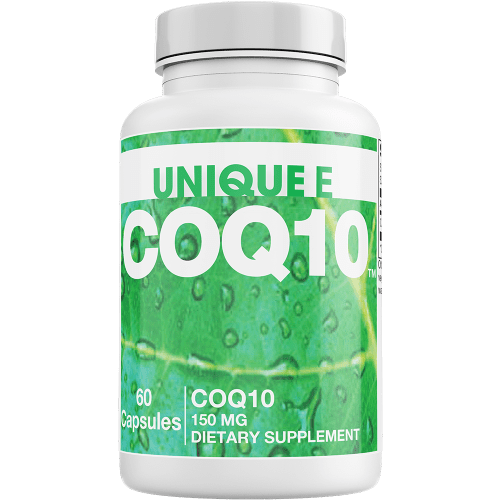
UNIQUE CoQ10™ Ubiquinol 150 mg CQ10 - 60 Softgels
$43.81 - or subscribe and save up to 15%
-
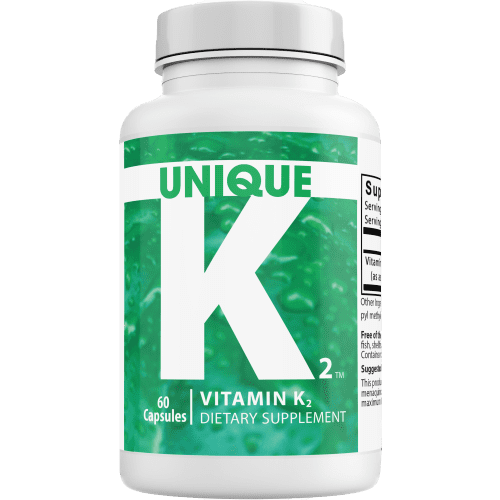
UNIQUE Vitamin K2™ Supplement - MK-7 50mgc
$29.08 - or subscribe and save up to 15%
-
UNIQUE Vitamin D3™ – 5000 IU 125 mcg
$17.37 - or subscribe and save up to 15%