
If you’re managing a chronic condition—rheumatoid arthritis, Type 2 diabetes, lupus, Crohn’s disease, or any number of others—you’re probably aware of what inflammation does to your joints, your energy, and your quality of life. What you may not know is what it’s doing to your muscles.
Chronic inflammation is one of the leading drivers of muscle wasting. It operates quietly, over months and years, breaking down muscle tissue faster than the body can rebuild it. And for people already managing a serious health condition, that loss of muscle mass and strength compounds everything else: reduced mobility, slower recovery, greater fatigue, and a steeper decline in functional independence over time.
A study published in Redox Biology—one of the leading journals in oxidative stress research—has identified a specific form of Vitamin E that may help interrupt this process. The compound is gamma-tocotrienol, and its performance against inflammation-driven muscle loss was meaningfully stronger than conventional Vitamin E.
What Chronic Inflammation Does to Muscle
To understand why this research matters, it helps to understand the mechanism behind inflammation-induced muscle wasting.
When the body is under chronic inflammatory stress, it activates a set of molecular pathways that accelerate muscle protein breakdown. Two proteins sit at the center of this process—MuRF-1 and Atrogin-1—and they function essentially as the body’s muscle disposal system. Under normal conditions, they play a useful maintenance role. Under chronic inflammatory conditions, they become overactive, degrading muscle protein faster than it can be replaced.
At the same time, chronic inflammation generates sustained oxidative stress—a surplus of reactive oxygen species (ROS) that damages muscle cell membranes, impairs mitochondrial function, and disrupts the energy production that muscle tissue depends on. Mitochondria are the power plants of muscle cells; when they’re compromised, muscle fibers weaken, shrink, and lose their structural integrity.
The result is a cycle that feeds itself: inflammation drives oxidative stress, oxidative stress impairs mitochondrial function, impaired mitochondria weaken muscle cells, and weakened muscle cells become more vulnerable to the catabolic signals that inflammation keeps generating.
What the Research Found
Researchers at Taipei Medical University set out to test whether Vitamin E compounds could interrupt this cycle—and specifically whether gamma-tocotrienol performed differently than alpha-tocopherol, the form of Vitamin E found in most standard supplements.
They used an established inflammatory model in both muscle cell cultures and live animal models, exposing subjects to a compound that triggers the same inflammatory cascade seen in chronic disease. Both Vitamin E forms were tested under identical conditions, and the results were clear.
Gamma-tocotrienol outperformed alpha-tocopherol across every key marker:
- Muscle fiber preservation. Gamma-tocotrienol maintained myotube size and structural integrity significantly better than alpha-tocopherol under inflammatory stress
- Atrophy gene suppression. It more effectively inhibited MuRF-1 and Atrogin-1, the two proteins most responsible for accelerated muscle protein breakdown
- Oxidative stress reduction. It produced a stronger reduction in reactive oxygen species and better protected cells from oxidative damage
- Mitochondrial protection. It preserved mitochondrial membrane potential and oxygen consumption, keeping the muscle cell’s energy production functioning closer to normal
- Grip strength. In animal models, gamma-tocotrienol-supplemented subjects showed measurably better muscle strength than those receiving alpha-tocopherol
The researchers also found that gamma-tocotrienol activated SIRT1/PGC-1α—a well-established pathway for mitochondrial regeneration and oxidative metabolism—suggesting it doesn’t just protect existing muscle tissue but supports the conditions needed for repair and rebuilding.
Why Gamma-Tocotrienol Behaves Differently
The difference in performance between gamma-tocotrienol and alpha-tocopherol comes down to molecular structure. Tocotrienols carry an unsaturated side chain that allows them to move through cell membranes more rapidly and distribute through tissue more efficiently than tocopherols. This structural advantage translates directly into more potent antioxidant activity and more effective engagement with the inflammatory signaling pathways that drive muscle wasting.
Most standard Vitamin E supplements contain only alpha-tocopherol. It’s the most abundant and most studied form of Vitamin E, and it has meaningful antioxidant benefits. But as this research demonstrates, it doesn’t carry the same muscle-protective capacity as gamma-tocotrienol under the conditions of chronic inflammatory stress—the precise conditions that people managing chronic disease are living with every day.
What This Means for People Managing Chronic Conditions
This research is preclinical—conducted in cell and animal models, not human trials—and that matters. It means gamma-tocotrienol’s muscle-protective effects need further validation in human studies before specific clinical recommendations can be made.
What the research does establish is a compelling mechanistic case: gamma-tocotrienol addresses the same biological pathways—oxidative stress, mitochondrial dysfunction, catabolic inflammatory signaling—that chronic disease drives in muscle tissue. For people already dealing with the effects of chronic inflammation, that mechanistic alignment is significant.
If muscle preservation is a concern alongside your existing health management, it’s worth talking with your healthcare provider—including a specific conversation about Vitamin E form, since the research makes clear that not all Vitamin E delivers the same benefit.
Chronic inflammation takes enough from the people living with it. The evidence that a specific, naturally occurring form of Vitamin E may help protect muscle against its most damaging effects is worth paying attention to.
Related posts



Recommended Products
-
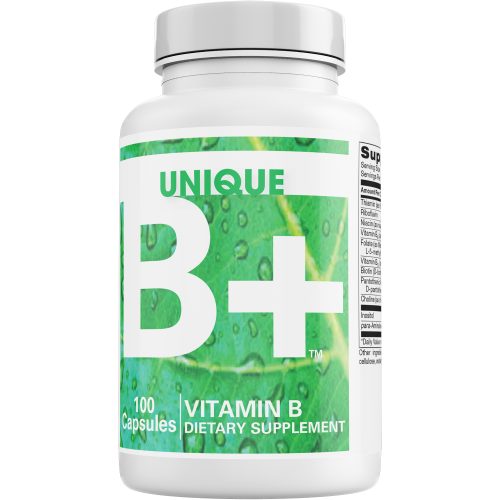
 UNIQUE Vitamin B+ Supplement - 100 Vegetarian Capsules
$31.06 - or subscribe and save up to 15%
-
Unique E® GG Gold - Geranylgeraniol Supplement - 60 Softgels
$32.99 - or subscribe and save up to 15%
-
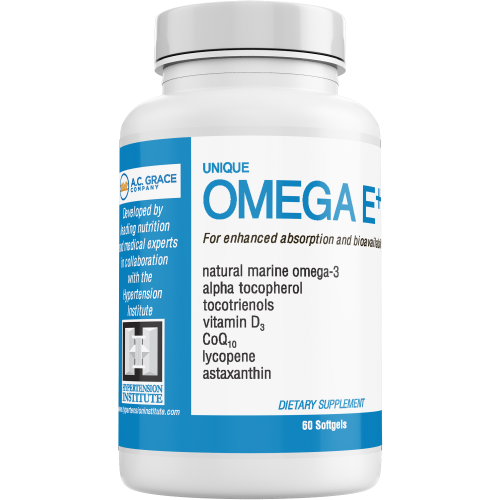
UNIQUE OMEGA E+® Omega 3 With Vitamin E – 60 Softgels
$25.99 - or subscribe and save up to 15%
-
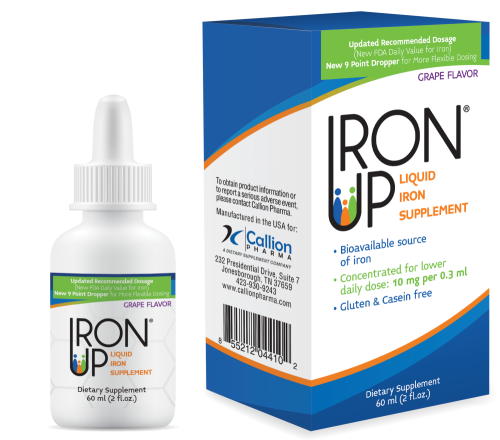
IronUp® Liquid Iron Supplement
$34.75 - or subscribe and save up to 15%
-
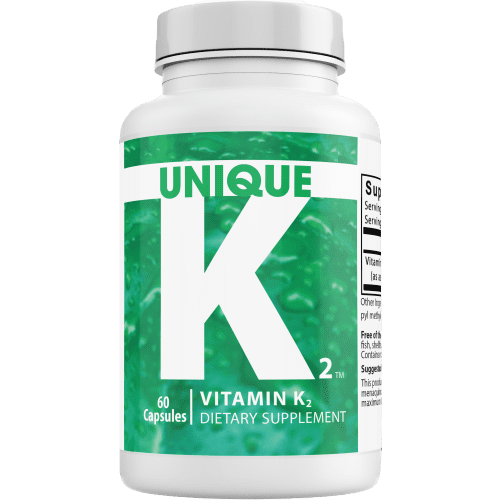
UNIQUE Vitamin K2™ Supplement - MK-7 50mgc
$29.08 - or subscribe and save up to 15%