
The word “inflammation” gets used so broadly it can start to feel like background noise—a vague health concept associated with turmeric and anti-inflammatory diets. But for the tens of millions of Americans living with a diagnosed inflammatory condition—rheumatoid arthritis, lupus, inflammatory bowel disease, Type 2 diabetes, cardiovascular disease—inflammation isn’t a concept. It’s a daily reality with a specific biological mechanism that conventional treatment doesn’t fully address.
What most people don’t know is that a specific form of Vitamin E acts directly on that mechanism. Not the Vitamin E in most supplement bottles. A structurally distinct form with properties the standard version doesn’t share.
The Switch That Gets Stuck
All chronic inflammatory conditions share a common driver at the molecular level: a master regulatory protein called NF-κB (nuclear factor kappa-light-chain-enhancer of activated B cells).
Under normal conditions, NF-κB activates in response to a real threat—a pathogen, an injury—drives a targeted immune response, and then quiets down. In chronic inflammatory disease, that reset fails. NF-κB stays on, continuously driving the production of pro-inflammatory cytokines—signaling proteins including TNF-alpha, IL-1β, and IL-6—that sustain the immune response even when there’s nothing left to fight. The result is tissue damage, organ impairment, and the daily symptoms that define life with a chronic inflammatory condition.
Oxidative stress compounds the problem. Reactive oxygen species (ROS) activate NF-κB, NF-κB-driven inflammation generates more ROS, and the cycle feeds itself indefinitely. Conventional treatment manages the downstream effects of this cycle. It rarely interrupts the cycle itself.
That’s the gap tocotrienols address.
What Makes Tocotrienols Different
Most Vitamin E supplements contain only alpha-tocopherol—the most abundant and most studied form of the vitamin. It has meaningful antioxidant value. What it doesn’t have is the structural properties that give tocotrienols their specific relevance to chronic inflammation.
Tocotrienols carry an unsaturated isoprenoid side chain that allows them to integrate into and move through cell membranes far more efficiently than tocopherols. That structural difference translates into two distinct advantages in chronic inflammatory disease:
- More potent antioxidant activity at the membrane level, where oxidative stress does its most damaging work and where the NF-κB cycle is most vulnerable to interruption
- Direct suppression of NF-κB signaling—reducing the pro-inflammatory cytokines (TNF-alpha, IL-1β, IL-6) that chronic inflammation depends on to sustain itself, rather than simply neutralizing the downstream damage those cytokines cause
A systematic review of 59 studies on tocotrienols and NF-κB confirmed that tocotrienols suppress NF-κB activation through multiple molecular mechanisms—including inhibition of the upstream enzymes that trigger the inflammatory cascade in the first place. This is mechanistically different from what alpha-tocopherol delivers, and it matters clinically.
Rheumatoid Arthritis: What One Clinical Trial Found
Rheumatoid arthritis is one of the clearest examples of NF-κB-driven immune dysregulation: the joints become targets of the body’s own inflammatory response, driving pain, swelling, and progressive structural damage. It’s also where the clinical evidence for tocotrienols is strongest.
The Zainal et al. 2025 study, published in the European Journal of Nutrition, enrolled 50 adults with moderate RA, all maintaining stable doses of their prescribed antirheumatic medications. Half received 400 mg daily of a tocotrienol-rich supplement; half received placebo. The trial ran for six months, with assessments at baseline and months 1, 3, and 6, plus a three-month follow-up after supplementation ended.
Every measured outcome improved in the tocotrienol group:
- DAS28-CRP (the standard composite measure of RA disease activity) declined from month one, with the largest separation from the control group at six months
- Painful and swollen joint counts decreased in parallel with overall disease activity scores
- CRP and ESR—objective blood-based inflammatory markers—declined progressively throughout the supplement period
- Pain scores on a visual analog scale improved alongside disease activity
No adverse effects were reported, adherence was high, and dropout was low. Notably, the improvements continued through the three-month follow-up period after supplementation ended—suggesting a lasting modulation of the inflammatory environment, rather than a short-term suppressive effect that disappears when the supplement does.
The Same Mechanism, Across Conditions
Rheumatoid arthritis is one of the better-studied conditions in the tocotrienol literature, but NF-κB overactivation and cytokine dysregulation aren’t unique to it. They’re the same core mechanism driving chronic inflammation in lupus, IBD, the low-grade systemic inflammation that underlies Type 2 diabetes, and the vascular inflammation associated with cardiovascular disease.
The research reflects this breadth. Studies in Type 2 diabetes patients have found tocotrienol supplementation producing significant reductions in IL-6 and TNF-alpha—the same cytokines elevated in RA—alongside measurable improvements in glycemic markers. Research on gamma-tocotrienol and inflammation-driven muscle atrophy found the same NF-κB-linked signaling pathways at work in a completely different tissue context.
Tocotrienols engage chronic inflammation at its molecular source—the NF-κB switch and the cytokine cascade it controls—rather than addressing any one disease’s downstream symptoms in isolation. For people managing conditions driven by this shared mechanism, that matters.
A Note on Form
The alpha-tocopherol in most standard Vitamin E supplements doesn’t deliver the NF-κB-modulating, cytokine-suppressing properties documented in the research above. Those belong to tocotrienols. High-concentration tocotrienol supplements—particularly those in tocopherol-free form—most directly reflect the compounds the inflammation research examines.
Tocotrienols are not a substitute for prescribed treatment. The RA trial studied them specifically as an add-on to stable antirheumatic medication, not a replacement for it—and that framing applies across chronic inflammatory disease.
For anyone managing a condition driven by chronic inflammation, it’s worth raising the question of Vitamin E form with your healthcare provider—specifically whether the supplement you’re currently taking contains the compounds the research is built on.
Related posts



Recommended Products
-
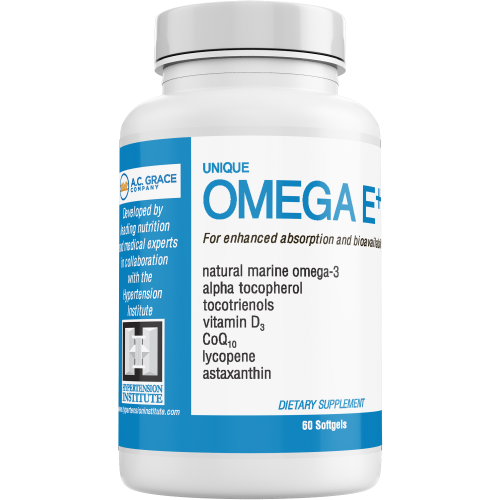
 UNIQUE OMEGA E+® Omega 3 With Vitamin E – 60 Softgels
$25.99 - or subscribe and save up to 15%
-
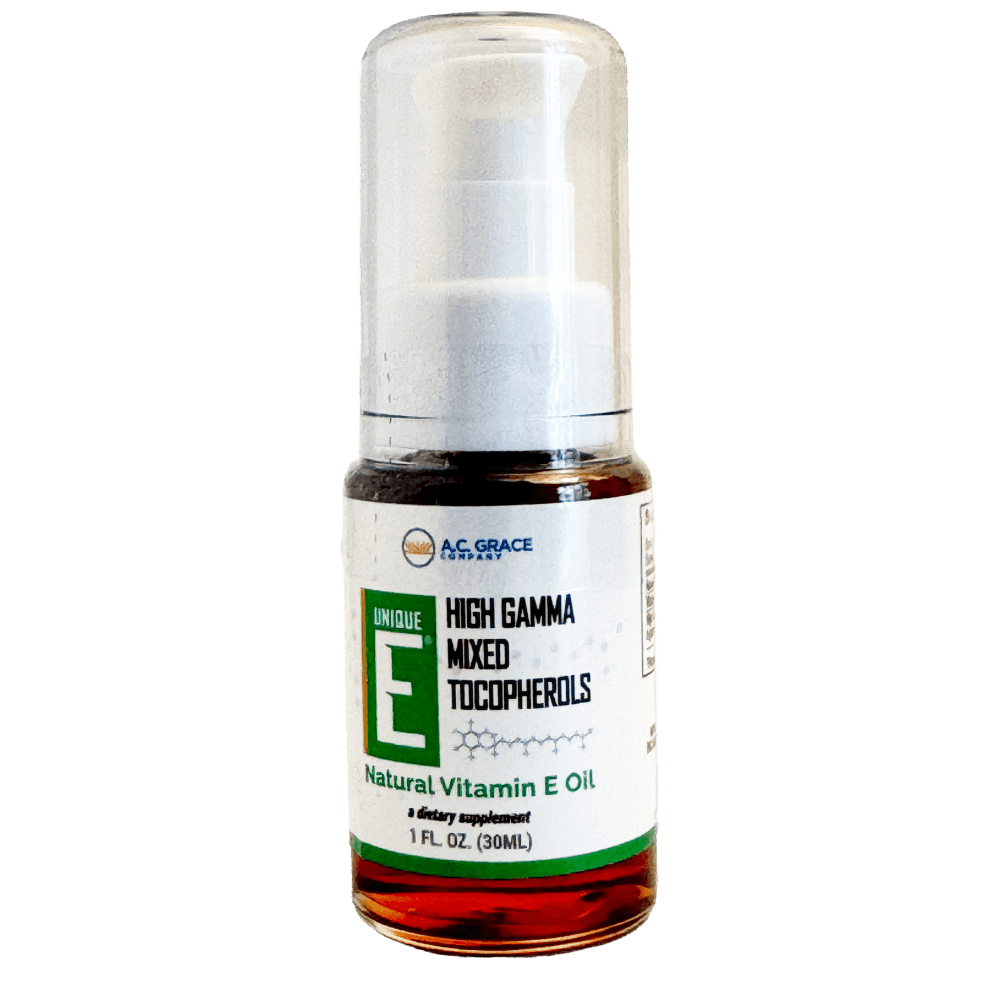
UNIQUE E® Mixed Tocopherols Concentrate Vitamin E Oil – 1 Ounce Pump Bottle
$22.27 - or subscribe and save up to 15%
-
UNIQUE Vitamin D3™ – 5000 IU 125 mcg
$17.37 - or subscribe and save up to 15%
-
Unique E® GG Gold - Geranylgeraniol Supplement - 60 Softgels
$32.99 - or subscribe and save up to 15%
-
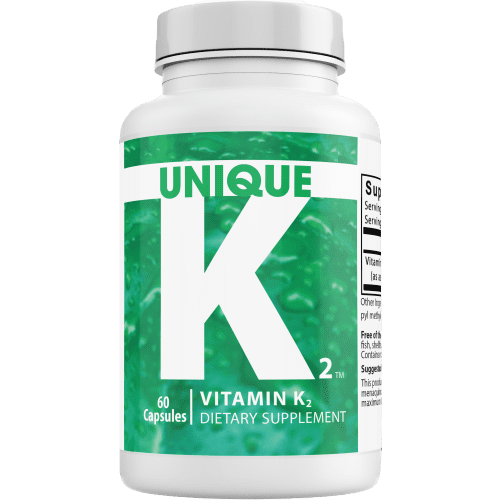
UNIQUE Vitamin K2™ Supplement - MK-7 50mgc
$29.08 - or subscribe and save up to 15%