
When you’re gearing up for a big race, every detail matters—tapering, hydration, pacing, fueling. But what about your recovery window? A 2022 study offers a simple strategy that may give endurance athletes a small edge: a single dose of vitamin C + E, taken a couple of hours before a hard effort, might help blunt immediate muscle-damage signals and preserve aspects of neuromuscular function. If you’re a runner looking for every bit of help during high-stress efforts, it could be a tool worth considering.
A Study Built for Runners
In a double-blind randomized controlled trial published in Nutrients, researchers recruited 18 trained male endurance runners (ages 39–58) from a running club in Madrid. All participants trained regularly (40–60 km/week) and had years of experience.
Each athlete was assigned to either a vitamin group (taking 1000 mg of vitamin C and 235 mg of vitamin E two hours before the workout) or a placebo group. The goal was to test whether acute (one-time) antioxidant supplementation could lessen the impact of exercise-induced muscle damage (EIMD). The exercise protocol included:
- A 15-minute warm-up at 60% max heart rate.
- 6–8 one-kilometer intervals at 75% max heart rate.
- Followed by 10 minutes of moderate running.
Performance and biomarkers were tracked before, immediately after, and 24 hours post-workout. Metrics included blood lactate, creatine kinase (CK), jump height, muscle stiffness, and perceived soreness.
What the Study Found
CK levels (a standard marker of muscle damage) increased in both the vitamin and placebo groups at 24 hours. So technically, antioxidant vitamins didn’t stop muscle damage altogether, but that’s not the full story. Here’s what stood out:
- Countermovement jump (CMJ) height improved in both groups immediately post-exercise—but only stayed elevated in the vitamin group 24 hours later.
- The elastic index (EI%), which reflects muscle-tendon recovery, increased in the vitamin group at 24 hours but didn’t in the placebo group.
- Squat jump (SJ) performance dropped back to baseline in both groups by 24 hours.
- Vertical stiffness trends slightly favored the vitamin group, though not significantly.
- DOMS and perceived exertion? No significant differences.
So, while this study didn’t find a dramatic change in soreness or biochemical markers, it did show that one-time vitamin E + C may help preserve some neuromuscular performance the day after a tough session.
What This Means for Runners
If you’re preparing for a big effort—race day, time trial, back-to-back long runs—this study suggests a single antioxidant dose could help buffer the drop-off in power and bounce that often follows hard aerobic work. You might not feel dramatically different, but your legs may retain a little more spring 24 hours later. That could matter if:
- You’re racing on Saturday and pacing a friend’s race on Sunday.
- You’ve got back-to-back workouts on a training camp weekend.
- You’re in your late 30s or beyond and recovery is getting slower.
- You’re coming back from a break and easing into harder sessions.
Think of it less as soreness prevention—and more as preserving function in that next-day window when performance sometimes dips.
Why This Combination Works
Here’s what we know about vitamin E + C and how they work together:
- Vitamin E (especially α-tocopherol) embeds in muscle cell membranes and helps prevent lipid peroxidation—aka damage to the outer layer of the cell during exertion.
- Vitamin C floats in the fluid spaces of the body and regenerates vitamin E once it’s used up, creating a recycling loop.
- Together, they create a dual-layer defense that’s been studied for years in both chronic and acute models.
The key here is timing. Chronic high-dose antioxidant use can blunt training adaptations—but acute, event-specific use might help reduce stress without muting the body’s natural response mechanisms. This study supports that idea: one-time use didn’t erase muscle damage, but it may have helped maintain neuromuscular readiness.
What You Can Actually Do
When used intentionally, vitamin E and C can support your training—but timing and context matter. The best time to introduce this combo is during “test” conditions: your longest training run, a high-intensity cycling interval session, or an actual competition day. Research suggests that antioxidant synergy may preserve neuromuscular performance when fatigue sets in, helping you maintain stride efficiency, vertical jump, or power output. That doesn’t mean you’ll feel faster—but you may function better in the second half of a hard effort.
It’s also important to be realistic about your goals. Vitamin E and C won’t reduce soreness the way ice baths or massage might. These antioxidants are not anti-inflammatories or muscle repair agents. Instead, they appear to guard the nervous system against the oxidative stress that interferes with coordination and rebound. That’s especially helpful for endurance athletes or anyone doing multi-day competitions where movement quality—not just muscle power—makes the difference between finishing strong or flailing.
Outside of key events, stick with food-first recovery: a handful of almonds, a bowl of berries, or a citrus smoothie post-workout will do more for your long-term gains than daily megadoses of supplements. But when you do want to supplement, look for clean, well-sourced products. A.C. Grace’s products are third-party tested and contain only what they claim—nothing more, nothing less. If you’re serious about trying antioxidant support on race day, talk to your doctor or sports dietitian, and choose a brand that backs up its purity and potency.
Ready to Try It? Talk to Your Doctor First
Even though this is a single dose, check with your healthcare provider—especially if:
- You’re taking blood thinners or anti-inflammatories.
- You’re managing any chronic condition.
- You already take supplements with vitamins E or C.
If you’re stacking tough sessions—or just want a little insurance for race-day rebound—consider using this strategy on your next high-intensity effort. Two vitamins may be just the edge you need to show up ready the next day.
And when you’re ready, choose supplements that match your performance standards. A.C. Grace offers pure, precisely formulated Vitamin E and Vitamin C products trusted by clinicians, competitors, and discerning athletes alike. They’re the essentials your body can use when it counts.
Related posts



Recommended Products
-
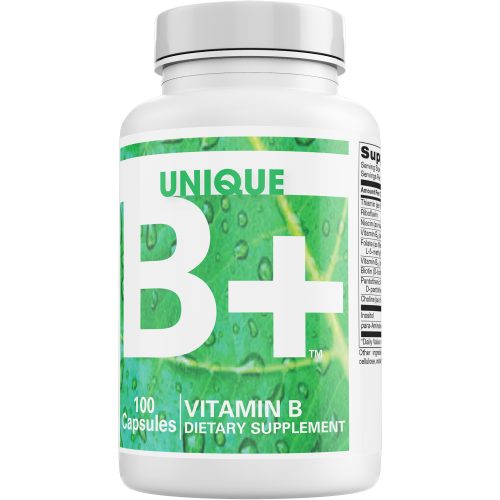
 UNIQUE Vitamin B+ Supplement - 100 Vegetarian Capsules
$31.06 - or subscribe and save up to 5%
UNIQUE Vitamin B+ Supplement - 100 Vegetarian Capsules
$31.06 - or subscribe and save up to 5%
-
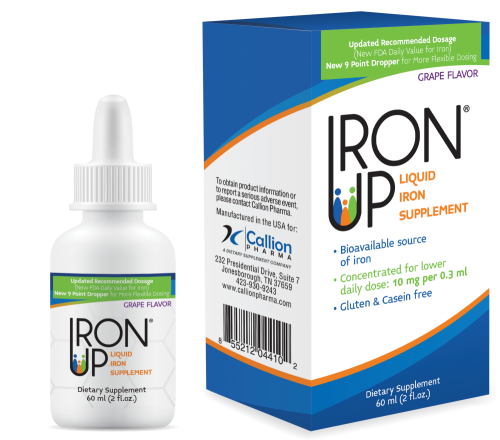
IronUp® Liquid Iron Supplement
$34.75 - or subscribe and save up to 5%
-
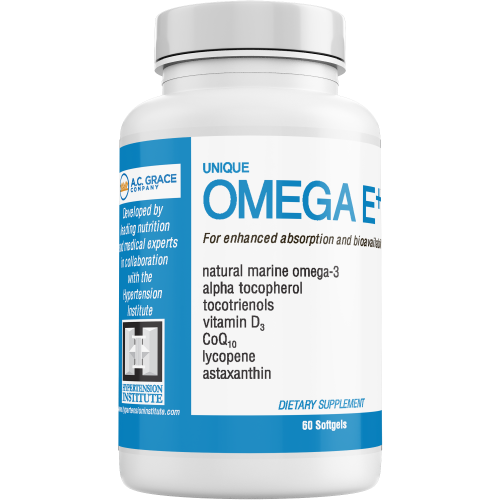
UNIQUE OMEGA E+® Omega 3 With Vitamin E – 60 Softgels
$25.99 - or subscribe and save up to 5%
-
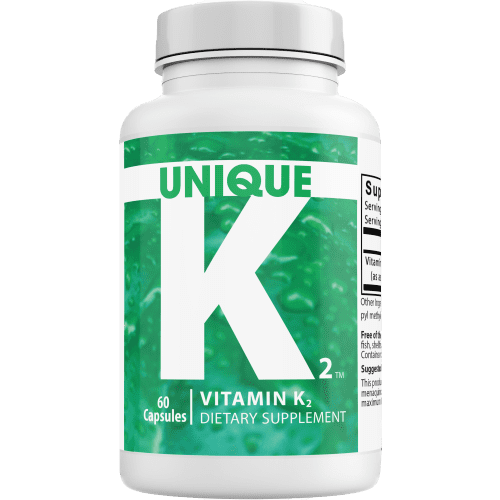
UNIQUE Vitamin K2™ Supplement - MK-7 50mgc
$29.08 - or subscribe and save up to 5%
-
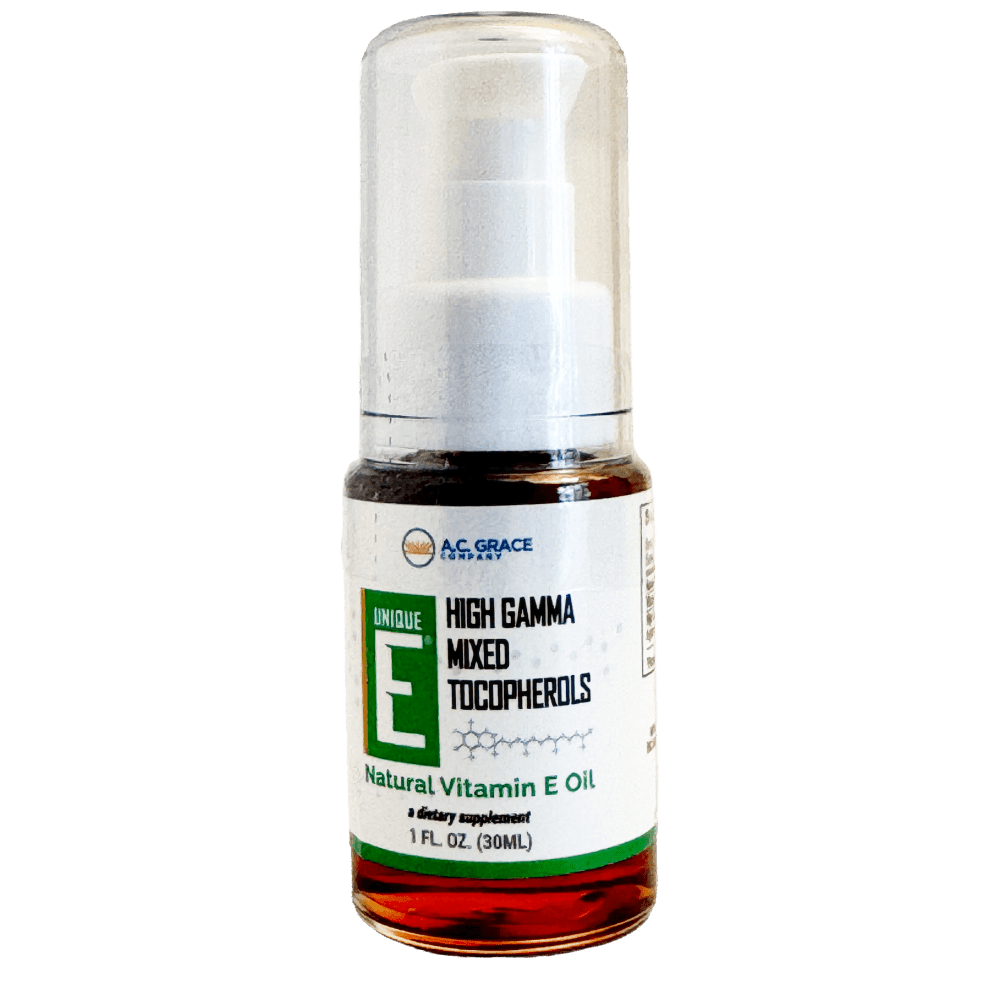
UNIQUE E® Mixed Tocopherols Concentrate Vitamin E Oil – 1 Ounce Pump Bottle
$22.27 - or subscribe and save up to 5%