
Most people don’t know that “vitamin E” is actually a whole family of compounds. One member, gamma-tocopherol, is gaining attention for something unexpected: its potential to support the fight against kidney cancer.
This isn’t the usual “vitamins are good for you” story. The research here is very specific and very targeted, and it’s reshaping how scientists think about antioxidants in cancer prevention and therapy. Here’s what you need to know:
What Is Gamma-Tocopherol, Exactly?
Gamma-tocopherol is one of the four tocopherol forms of vitamin E (alpha, beta, gamma, and delta). It’s found naturally in foods like walnuts, pecans, sesame seeds, and certain plant oils, especially soybean and corn oil.
Unlike alpha-tocopherol, the most well-known vitamin E isomer which mainly targets reactive oxygen species (ROS), gamma-tocopherol also neutralizes reactive nitrogen species (RNS)—a category of damaging molecules that alpha-tocopherol can’t handle effectively. That difference is key in inflammation-related diseases, including certain cancers.
What New Research Is Saying About the Vitamin E/Kidney Cancer Connection
Kidney cancer—specifically renal cell carcinoma (RCC)—is notoriously difficult to treat when detected late. Conventional approaches like surgery, targeted drugs, and immunotherapy have improved survival, but relapse and drug resistance remain huge hurdles.
A recent study examined whether gamma-tocopherol could work alongside an existing kidney cancer drug, sunitinib, to boost its cancer-killing power. Researchers used both lab-grown kidney cancer cells and mouse models to test the combination. They compared:
- Sunitinib alone.
- Gamma-tocopherol alone.
- Sunitinib + gamma-tocopherol.
The team wanted to look beyond generic antioxidant effects to get to know if gamma-tocopherol could enhance cytotoxicity— essentially, make the cancer cells more likely to die. The results were striking:
- On its own, gamma-tocopherol had limited impact on kidney cancer cell growth.
- Combined with sunitinib, gamma-tocopherol significantly increased cancer cell death compared to the drug alone.
- In mouse models, the combination slowed tumor growth more effectively than sunitinib by itself.
The researchers linked this boost to increased oxidative stress inside the tumor cells, the opposite of what most people think antioxidants do. Rather than simply “neutralizing” free radicals, gamma-tocopherol seemed to help destabilize the cancer cells in a way that made them more vulnerable to sunitinib.
Why This New Research Is So Important
This flips the usual antioxidant narrative. Many people assume that antioxidants always protect cells from damage, which is great for healthy tissue but can, in some cases, also protect unhealthy cells, like cancer, from dying.
What’s interesting here is the selective effect. In combination with sunitinib, gamma-tocopherol appeared to push cancer cells toward death, not shield them. That suggests gamma-tocopherol’s activity depends heavily on the context—in this case, a cancer therapy environment designed to stress and kill tumor cells.
Not All Vitamin E Is the Same
This is where the conversation gets important for supplement users: Most mass-market vitamin E products are pure alpha-tocopherol, often in synthetic form (dl-alpha-tocopherol). Taking large amounts of alpha-tocopherol alone can lower your body’s gamma-tocopherol levels by 30–50%, which could erase potential benefits like the ones seen in this study.
If gamma-tocopherol does prove to have a role in cancer therapy support, taking only alpha-tocopherol could work against you.
Don’t Forget: The Study Has Limitations
Before you run out and load up on gamma-tocopherol-rich oils or supplements, a few realities:
- The study was preclinical, meaning the tests were done in cells and mice, not in humans.
- The doses used in research may not match what’s safe or achievable through diet or over-the-counter supplements.
- We don’t yet know how gamma-tocopherol interacts with other cancer drugs, or whether it has similar effects in other cancer types.
Clinical trials will be essential to confirm safety, effectiveness, and proper dosing in real patients.
There Are Some Practical Takeaways for Now
Even without a prescription for sunitinib, there are ways to keep gamma-tocopherol in your nutritional picture:
- Diversify your vitamin E intake. Foods like walnuts, pistachios, pecans, and sesame seeds naturally provide gamma-tocopherol.
- Avoid unbalanced megadoses of alpha-tocopherol. These can suppress gamma-tocopherol levels.
- Look for “mixed tocopherols”. Choose your supplements carefully if you want a spectrum closer to what’s found in whole foods.
- Talk to your doctor. Before adding any supplement if you have a history of cancer or are undergoing treatment, talk to your healthcare provider first.
Research Is Promising, Talk to Your Doctor Today
The gamma-tocopherol and kidney cancer research is promising, challenging the overly simplified view that “antioxidants just protect.” In the right conditions, certain antioxidants may actually help cancer treatments work better. That doesn’t mean gamma-tocopherol is a standalone cancer cure. It does highlight the importance of form, balance, and context in how we use nutrients, especially vitamin E.
If future clinical trials confirm these findings, gamma-tocopherol could become part of a targeted nutritional strategy for kidney cancer patients on certain treatments. Until then, the safest approach is to aim for a balanced intake of vitamin E from diverse sources, and to make supplement decisions in partnership with your healthcare provider.
Disclaimer:
This article shares emerging research for general information only—it IS NOT a substitute for professional medical advice. The findings discussed come from early lab and animal studies, so we don’t yet know how they’ll apply to people. If you’re thinking about adding or changing supplements—especially during cancer treatment—talk with your doctor first. Your health plan should be tailored to you, not to headlines or early-stage research.
Related posts



Recommended Products
-
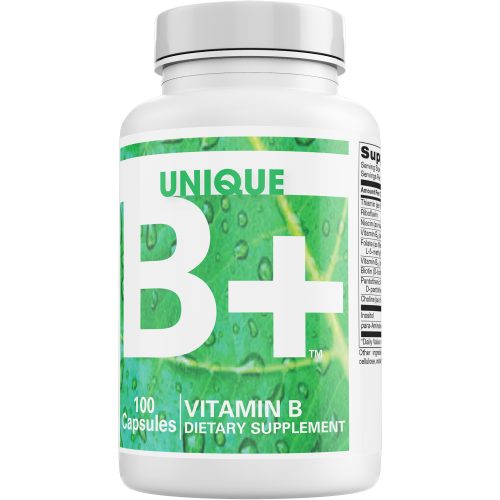
 UNIQUE Vitamin B+ Supplement - 100 Vegetarian Capsules
$31.06 - or subscribe and save up to 5%
UNIQUE Vitamin B+ Supplement - 100 Vegetarian Capsules
$31.06 - or subscribe and save up to 5%
-
UNIQUE E® Mixed Tocopherols Concentrate – 30 Softgels
$16.99 - or subscribe and save up to 5%
-
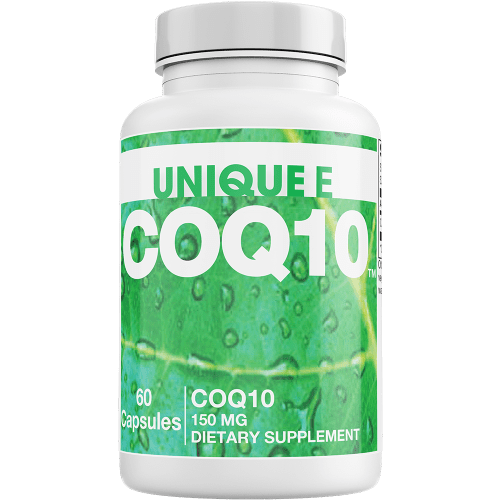
UNIQUE CoQ10™ Ubiquinol 150 mg CQ10 - 60 Softgels
$43.81 - or subscribe and save up to 5%
-
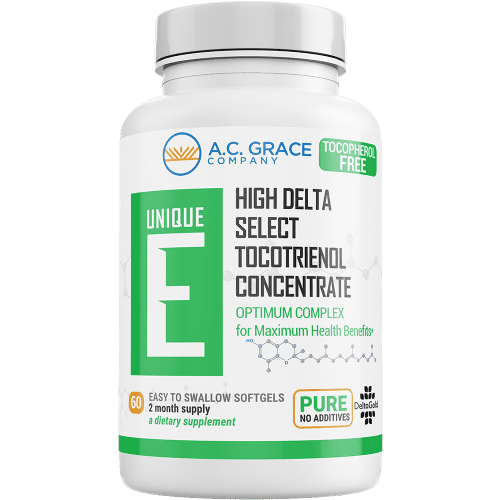
UNIQUE E® Tocotrienols – Tocopherol FREE – 60 Softgels
$42.99 - or subscribe and save up to 5%
-
UNIQUE E® Mixed Tocopherols Concentrate - 120 Softgels
$44.62 - or subscribe and save up to 5%