
If you follow vitamin E science, you know not all “E” is the same. Tocopherols and tocotrienols are 8 related compounds with different side chains, tissue kinetics, and biological effects. A new peer-reviewed study in Redox Biology adds timely evidence that γ-tocotrienol (gamma-tocotrienol) may uniquely protect muscle under inflammatory stress by mitigating oxidative damage and preserving mitochondria—the power plants of our cells.
What the study tested
Researchers used a well-established inflammation model to trigger muscle atrophy:
- In cells (C2C12 myotubes): They pre-treated muscle cells with γ-tocotrienol or α-tocopherol (the most common form of vitamin E) and then exposed the cells to LPS, a bacterial component that provokes inflammation.
- In mice: They pre-supplemented animals with γ-tocotrienol or α-tocopherol prior to LPS injections, then measured muscle strength, fiber size, inflammation, and mitochondrial biology.
Across both settings, γ-tocotrienol showed stronger muscle-protective effects than α-tocopherol. Specifically, it preserved myotube size and morphology and suppressed key atrophy genes—MuRF-1 and Fbxo32/Atrogin-1—while restoring markers of healthy differentiation (Myh1). In mice, it improved grip strength, reduced circulating IL-6, and supported mitochondrial biogenesis.
How γ-tocotrienol seemed to work in the study
In both cell and mouse models of inflammation-driven muscle loss, γ-tocotrienol consistently lowered oxidative stress signals and kept mitochondria working closer to normal, which translated into stronger fibers and better grip performance. Mechanistically, the data clustered into three themes—antioxidant/mitochondrial protection, dampening of catabolic inflammation, and pro-biogenesis remodeling—summed up below:
- Less oxidative stress, steadier mitochondria. γ-Tocotrienol blunted LPS-induced spikes in reactive oxygen species (ROS), maintained mitochondrial membrane potential, and rescued oxygen-consumption measurements (basal OCR and ATP-linked respiration) in stressed myotubes. These are functional readouts that the mitochondria are coping better under inflammatory pressure.
- Quieter inflammatory signaling. The compound dampened NF-κB activation and nuclear translocation—an upstream switch that drives catabolic pathways in muscle during inflammation. Turning this switch down helps slow the break-down programs that shrink muscle.
- Pro-mitochondrial remodeling. In the body, γ-tocotrienol upregulated SIRT1/PGC-1α, a well-known axis for mitochondrial biogenesis and oxidative metabolism, aligning with the improvements seen in fiber size and strength. Proteomics also suggested benefits in extracellular matrix organization—the scaffolding that stabilizes muscle fibers.
Why tocotrienols can behave differently than tocopherols
Tocotrienols carry an unsaturated side chain that integrates into cell membranes differently than tocopherols. Several authoritative reviews describe distinct anti-inflammatory and signaling actions for tocotrienols (e.g., effects on COX/5-LOX eicosanoids, NF-κB pathways) and discuss how vitamin E forms are metabolized and trafficked in the body. That background helps explain why γ-tocotrienol would show non-identical effects to α-tocopherol in muscle under stress.
What does the new study mean for you?
This is a promising signal. Inflammation-driven muscle loss is common—in acute illness, chronic disease, and even severe infections. Any nutrient that reduces oxidative stress, calms inflammatory signaling, and supports mitochondrial function could be valuable as part of a broader plan that prioritizes nutrition, movement, and medical care. This new study positions γ-tocotrienol as a candidate for that role.
But this is early-stage evidence. These results come from cell and mouse models that emulate inflammatory atrophy. While the models are informative, they are not substitutes for human clinical trials in older adults, patients with chronic inflammatory conditions, or athletes. Translating dose, timing, and expected benefit to people requires further study. (Reviews emphasize that specifying which vitamin E isoform is used, and how it’s formulated, really matters.)
What should you do next?
Use the new γ-tocotrienol findings to build a concrete plan with your clinician—one that accounts for your condition, current medications (especially blood thinners), training status, and goals for muscle strength or recovery. Bring this checklist to that visit to lock in the right vitamin E form and dose, decide what to monitor (e.g., grip strength, soreness, CRP/IL-6 where appropriate), and align supplementation with protein intake and resistance exercise.
- Talk to your clinician first. If you’re dealing with inflammation, illness-related deconditioning, or age-related muscle loss, discuss whether vitamin E (and which form) makes sense with your care team—especially if you use anticoagulants or have procedures planned.
- Know your “E.” Labels that simply say “vitamin E” often refer to α-tocopherol. Choosing a product that clarifies natural isoforms and sourcing helps align your supplement with the science.
- Think synergy. Supplements work best alongside protein-adequate nutrition, resistance exercise (as tolerated), sleep, and condition-specific therapies—still the foundations for muscle maintenance and recovery.
Turn Evidence Into Action: Your Next Vitamin E Steps
The new Redox Biology study reports that γ-tocotrienol outperformed α-tocopherol in protecting muscle against inflammation-induced atrophy. It’s an encouraging mechanistic signal that warrants human trials.
If you and your clinician decide vitamin E belongs in your plan, choose all-natural vitamin E sourced and standardized for purity and identity. A.C. Grace has produced natural vitamin E for decades; after you’ve talked with your doctor, consider supplementing with A.C. Grace’s all-natural vitamin E to support a comprehensive approach to muscle health.
Related posts



Recommended Products
-
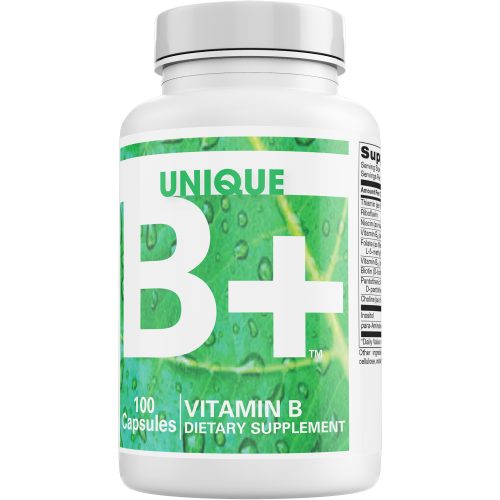
 UNIQUE Vitamin B+ Supplement - 100 Vegetarian Capsules
$31.06 - or subscribe and save up to 5%
UNIQUE Vitamin B+ Supplement - 100 Vegetarian Capsules
$31.06 - or subscribe and save up to 5%
-
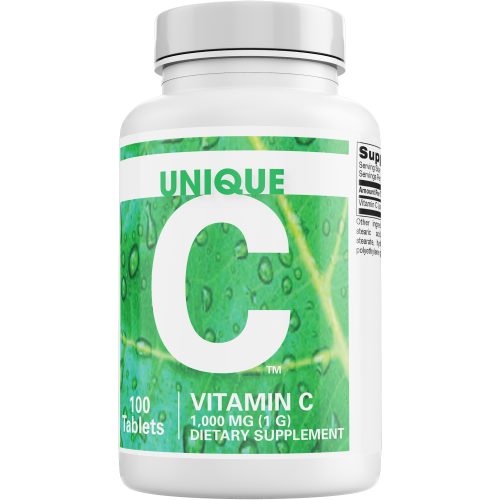
UNIQUE Vitamin C 1000 mg - 100 Tablets
$20.63 - or subscribe and save up to 5%
-
UNIQUE Vitamin D3™ – 5000 IU 125 mcg
$17.37 - or subscribe and save up to 5%
-
Unique E® GG Gold - Geranylgeraniol Supplement - 60 Softgels
$32.99 - or subscribe and save up to 5%
-
UNIQUE E® Mixed Tocopherols Concentrate – 30 Softgels
$16.99 - or subscribe and save up to 5%