
Aging happens to everyone, but it doesn’t always arrive with obvious warning signs. For many people over 40, the changes sneak up gradually. Energy dips a little faster. Muscles take longer to recover. Focus and memory feel slightly off. The body, once quick to bounce back, starts asking for more time.
Diet and exercise remain the foundation of good health at any age, but researchers are now paying close attention to what’s happening inside our cells. As people age, they accumulate oxidative stress—damage caused by unstable molecules known as free radicals. When these molecules overwhelm the body’s natural defenses, they accelerate aging from within, touching everything from the brain and heart to bones and skin. Tocotrienols may help stop oxidative damage, and here’s how:
What Tocotrienols Are, and Why They Matter After 40
Vitamin E is a family of 8 related compounds called tocopherols and tocotrienols. Most supplements feature alpha-tocopherol, the most common form, but scientists have discovered that tocotrienols offer unique advantages.
These molecules, naturally found in annatto seeds, can move more efficiently through cell membranes and act faster to neutralize oxidative damage. That agility makes them especially useful for adults over forty, a time when the body’s antioxidant defenses begin to slow and long-term cellular wear becomes more noticeable.
How Tocotrienols Support Healthy Aging
A growing body of laboratory and clinical research shows that tocotrienols help protect multiple systems in the body, making them an appealing nutrient for maintaining vitality.
Heart and Circulation
Human studies have linked consistent tocotrienol intake with lower LDL cholesterol and better overall cardiovascular markers—two priorities for anyone approaching midlife. Tocotrienols appear to:
- Shield blood vessels from oxidative stress.
- Support healthy cholesterol balance.
- Help maintain arterial flexibility.
Brain Function and Focus
It’s common to notice small lapses in memory or concentration after 40. Tocotrienols help guard brain cells from inflammation and free-radical damage, both key drivers of cognitive decline.
Emerging research—including animal and early human studies—suggests they may reduce neuroinflammation, protecting white-matter integrity. They may promote sharper mental performance over time.
Bones and Joints
Bone density naturally declines with age, and oxidative stress contributes to that process. Tocotrienols may:
- Encourage osteoblasts—the cells that build bone.
- Lower inflammatory activity within joint tissue.
- Slow the loss of bone mass, particularly after menopause.
By keeping bones and joints resilient, they support mobility and comfort well into later years.
Skin and Appearance
Skin mirrors internal health, and oxidative stress is a major cause of fine lines, wrinkles, dullness, and loss of elasticity. Tocotrienols can:
- Defend skin cells from UV-related damage.
- Help maintain collagen structure.
- Improve hydration and firmness.
Clinical evidence suggests that both oral and topical tocotrienols enhance skin tone and texture. They may help your skin look as youthful as it feels.
Immune and Cellular Defense
As the immune system becomes less efficient with age, tocotrienols provide an extra layer of protection. They stabilize cell membranes, calm inflammation, and support mitochondrial activity—the process that powers and repairs cells. The result is greater energy and more effective recovery at the cellular level.
Adding Tocotrienols to Your Routine
Tocotrienols are not common in most Western diets, so awareness is the first step. Natural sources include:
- Annatto seeds are the richest and tocopherol-free tocotrienol source.
- Palm and rice bran oil contain smaller amounts of tocotrienols.
- Wheat germ and barley offer modest concentrations of tocotrienols.
To achieve consistent, research-supported levels, supplementation is often recommended, especially for adults over 40. Most clinical studies use 200–300 mg per day, though it’s important to confirm the right dosage with your healthcare provider.
Quality Matters: Natural vs. Synthetic
Not all vitamin E supplements deliver the same benefit. Many commercial options contain synthetic dl-alpha-tocopherol, which lacks the full range of natural compounds and may even compete with tocotrienol absorption.
Look instead for natural d-alpha-tocopherol or formulas made from pure annatto extract, which offer the most bioavailable and well-balanced profile for the body to absorb and use effectively.
Take the Next Step Toward Healthier Aging
If you’re over 40, consider how your antioxidant defenses are holding up. Tocotrienols provide a deeper level of protection that becomes increasingly valuable as the years pass and your natural resilience wanes. But before starting any new supplement, talk with your healthcare professional to confirm it’s appropriate for you—particularly if you take medications or have existing health conditions.
When you’re ready, choose a product that reflects the research. A.C. Grace’s all-natural vitamin E formulations contain no synthetic additives or unnecessary fillers—just the pure tocotrienols and tocopherols your body can truly recognize and use. Take the next step and protect your cells and your future, one day at a time.
Related posts



Recommended Products
-
 UNIQUE E® Mixed Tocopherols Concentrate - 120 Softgels
$44.62 - or subscribe and save up to 5%
UNIQUE E® Mixed Tocopherols Concentrate - 120 Softgels
$44.62 - or subscribe and save up to 5%
-
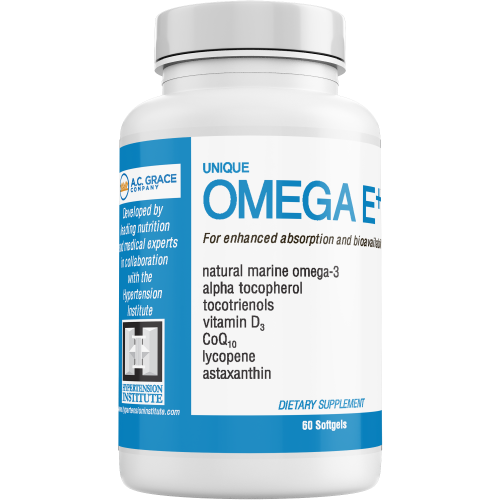
UNIQUE OMEGA E+® Omega 3 With Vitamin E – 60 Softgels
$25.99 - or subscribe and save up to 5%
-
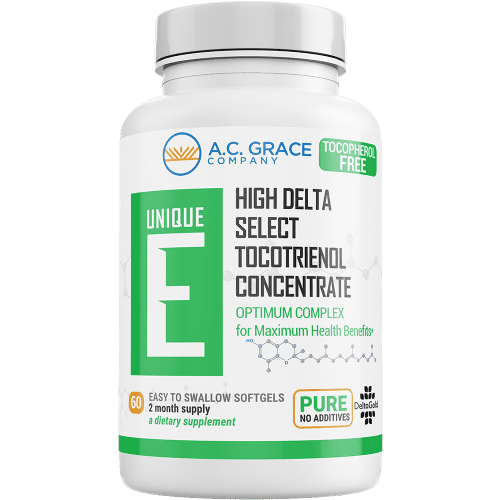
UNIQUE E® Tocotrienols – Tocopherol FREE – 60 Softgels
$42.99 - or subscribe and save up to 5%
-
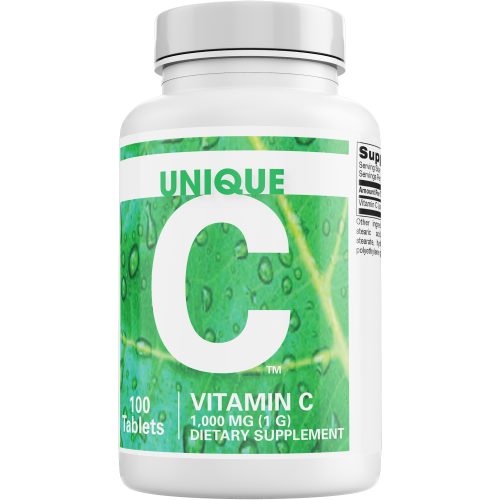
UNIQUE Vitamin C 1000 mg - 100 Tablets
$20.63 - or subscribe and save up to 5%
-
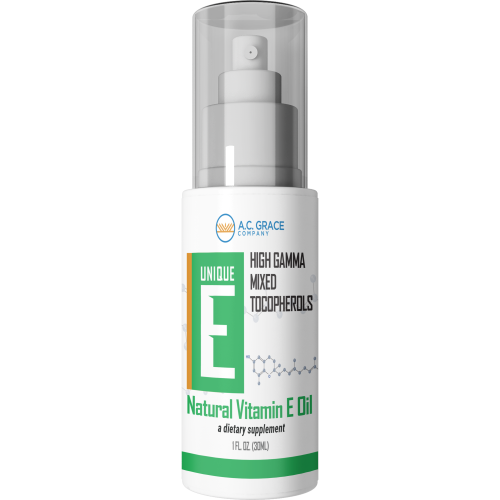
UNIQUE E® Mixed Tocopherols Concentrate Vitamin E Oil – 1 Ounce Pump Bottle
$22.27 - or subscribe and save up to 5%