
Recovery after childbirth is no small task. It requires the body to repair torn tissue, restore blood volume, balance shifting hormones, and regulate immune responses—all while caring for a newborn. While many postpartum nutrition plans focus on macronutrients like protein and iron, certain micronutrients may also play a valuable role in helping mothers heal.
One such group is tocotrienols—a lesser-known, biologically active form of Vitamin E that’s gaining scientific attention for its antioxidant, anti-inflammatory, and tissue-supportive properties. While tocopherols (especially alpha-tocopherol) have long been the dominant form of Vitamin E in supplements, emerging research suggests that delta- and gamma-tocotrienols may offer distinct and potentially superior benefits during the postpartum period.
What Are Tocotrienols?
Vitamin E is not a single compound, but a family of 8 related molecules: four tocopherols and four tocotrienols. Both groups share antioxidant functions, but tocotrienols have an unsaturated side chain that allows them to penetrate tissues—like the brain, liver, and skin—more efficiently than tocopherols.
Among the tocotrienols, gamma and delta forms have shown the most promise in research focused on inflammation, cellular protection, and skin regeneration. These are not typically found in standard Vitamin E supplements or common Western diets. Instead, they occur naturally in ingredients like palm oil, annatto seeds, rice bran, and barley.
Why Might Tocotrienols Matter After Childbirth?
Childbirth triggers an intense period of physical repair. Muscles stretch and contract, connective tissue strains, and the immune system is tasked with both protecting and rebuilding. Many new mothers also experience increased oxidative stress—a biochemical imbalance where free radicals outweigh the body’s antioxidant defenses. Tocotrienols may help:
- Calm inflammation from tissue damage and immune system shifts.
- Support collagen production and wound healing, especially relevant after C-sections or perineal tears.
- Contribute to skin regeneration, potentially reducing the appearance of stretch marks and scarring.
- Protect brain health, offering support during a time of emotional vulnerability and hormonal flux.
- Modulate immune responses, aiding the body’s natural readjustment to post-pregnancy physiology.
While they’re not a replacement for essential nutrients like protein, iron, and omega-3 fatty acids, tocotrienols may offer targeted cellular support during this intense recovery window.
What the Research Shows
In animal and cellular models, tocotrienols—particularly the gamma and delta forms—have been shown to:
- Suppress NF-κB, a key regulator of inflammation.
- Reduce oxidative stress markers in the brain, liver, and skin.
- Enhance mitochondrial efficiency, supporting energy production in damaged tissues.
- Promote collagen synthesis and skin healing.
- Influence neuroprotective pathways, relevant for mood and cognition.
While most of these studies are preclinical, the mechanisms are compelling—and they align with the physiological challenges that postpartum individuals often face.
One recent review highlighted how tocotrienols’ unique structure allows them to integrate into cell membranes more efficiently, making them especially potent in protecting sensitive tissues from damage. Another study pointed to tocotrienols’ ability to restore antioxidant balance in models of hormone disruption—a potential parallel to postpartum hormonal changes.
How to Get Tocotrienols Through Food
Unlike alpha-tocopherol, which is found in common foods like almonds and sunflower seeds, tocotrienols are relatively rare in the standard American diet. Natural sources include:
- Palm oil (particularly red palm oil), which is among the richest dietary sources.
- Annatto seeds, which contain 100% tocotrienols and no tocopherols.
- Rice bran oil, used in some Asian cuisines.
- Barley and wheat germ, in smaller amounts.
Incorporating tocotrienols through food is possible, but the amount needed to match levels used in research is typically higher than what food alone can offer. Supplementation may help, but only with appropriate medical guidance.
Why Quality and Form Matter When It Comes to Supplements
If you and your care team decide that Vitamin E supplementation is appropriate postpartum, it’s critical to understand what to look for. Most commercial Vitamin E products contain synthetic dl-alpha-tocopherol, which doesn’t include tocotrienols—and in high doses, may actually interfere with their function. Instead, use supplements that are:
- All-natural, not synthetic.
- Tocotrienol-rich, with clearly labeled gamma and delta content.
- Derived from trusted sources like annatto or red palm oil.
- Free from additives and unnecessary fillers.
The goal is to align your supplement with the research and support your body with high-quality, bioavailable nutrients.
Support Your Recovery After Talking to Your Doctor
Postpartum recovery is personal and complex. Every individual heals differently, and nutritional needs can vary based on delivery method, medical history, breastfeeding status, and energy demands. That’s why it’s important to speak with a qualified healthcare provider before adding any new supplement to your routine.
But if your clinician agrees that additional antioxidant support could be helpful, consider supplementing with an all-natural tocotrienol-rich Vitamin E formula from A.C. Grace.
We’ve spent decades delivering pure, standardized, and clinically-aligned Vitamin E products—including options that feature the full spectrum of tocotrienols. Our commitment to quality means every product is carefully sourced, third-party tested, and backed by the latest science. When your body is ready to rebuild, we’re here to help you support it—naturally.
Related posts


Recommended Products
-
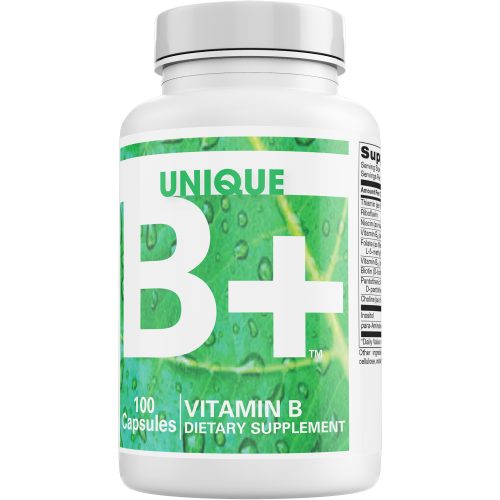
 UNIQUE Vitamin B+ Supplement - 100 Vegetarian Capsules
$31.06 - or subscribe and save up to 5%
UNIQUE Vitamin B+ Supplement - 100 Vegetarian Capsules
$31.06 - or subscribe and save up to 5%
-
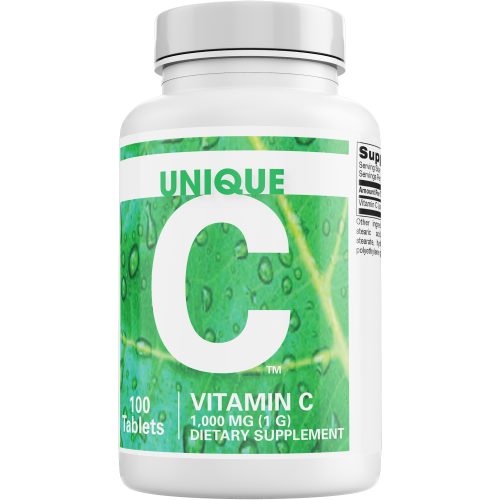
UNIQUE Vitamin C 1000 mg - 100 Tablets
$20.63 - or subscribe and save up to 5%
-
UNIQUE Vitamin D3™ – 5000 IU 125 mcg
$17.37 - or subscribe and save up to 5%
-
Unique E® GG Gold - Geranylgeraniol Supplement - 60 Softgels
$32.99 - or subscribe and save up to 5%
-
UNIQUE E® Mixed Tocopherols Concentrate – 30 Softgels
$16.99 - or subscribe and save up to 5%