
Iron is one of those nutrients you don’t think about until your body starts waving a red flag. If you experience fatigue that doesn’t go away, cold hands when it’s not even cold, or a strange urge to chew on ice, just know that your body is trying to tell you something. Are you listening?
Iron deficiency is the most common micronutrient gap worldwide. But what often gets overlooked is how quietly it develops and how far-reaching its effects can be. Here’s what to know if you’re concerned about low iron, whether you’re already feeling off or just trying to stay ahead of your health.
Why Iron Matters More Than You Think
Iron isn’t just about red blood cells. It’s truly the backbone of oxygen delivery. Without it, your cells can’t breathe, your mitochondria can’t produce energy, and your brain can’t think clearly. It plays a role in:
- Hemoglobin and myoglobin production (for blood and muscle oxygen transport)
- Cognitive clarity and mood balance
- Immune function and recovery
- Hair growth, nail strength, and skin repair
When iron dips, everything slows down, even before anemia shows up in a lab result.
The Telltale Signs (And a Few You Might Miss)
Iron deficiency doesn’t always scream for attention. Sometimes it whispers. Here are some signs worth tuning into:
- Fatigue despite rest
- Cold intolerance or chilly hands/feet
- Pale skin or nail beds
- Dizziness, shortness of breath, or headaches
- Hair shedding or breakage
- Restless legs at night
- Cognitive fog or poor memory
- Cravings for ice or unusual non-foods (a condition called pica)
These symptoms often overlap with other issues, including thyroid disorders, stress, sleep deprivation. That’s exactly why getting tested is so important, before you go reaching for a supplement.
Who’s Most at Risk?
You don’t need to be a vegetarian or skipping meals to be low in iron. Deficiency can sneak up for a lot of reasons:
- Heavy periods
- Pregnancy or postpartum depletion
- Endurance training or overexercising
- Low-iron diets (or poor absorption of non-heme iron)
- Gut health issues (e.g., IBD, celiac)
- Chronic inflammation (which increases hepcidin and blocks absorption)
Men are not immune either, especially if they donate blood regularly or have GI absorption issues. Stay on top of your iron.
What to Ask For: Iron Testing Basics
Testing is the only way to truly know what’s going on with your iron status. Your provider may order:
- Ferritin – best indicator of stored iron.
- Hemoglobin & hematocrit – used to diagnose anemia.
- Transferrin saturation & serum iron – shows how much is available in circulation.
- Soluble transferrin receptor or hepcidin – helpful in complex cases or during inflammation.
Ferritin can be misleading if you’re fighting an infection or dealing with chronic inflammation, so interpretation matters. Always discuss results with your provider in context of symptoms and health history.
When It’s Time to Supplement (and How to Do It Right)
Supplementing iron can be life-changing, but it’s not one-size-fits-all, of course. Taking too much can be dangerous. Always consult a doctor before supplementing, whether it’s iron or any other nutrient. Here’s what to keep in mind:
- Form matters: Not all iron supplements absorb well. Liquid forms like IronUp® can be easier on the stomach and better absorbed, especially if digestion or inflammation is an issue.
- Pair with Vitamin C: This helps absorption. Avoid calcium-rich foods, tea, or coffee at the same time, which can block it.
- Start low, go slow: High doses often cause constipation or nausea. A low, daily dose is often more sustainable.
- Track your labs: Most people supplement for 8–12 weeks, then re-test. Long-term use should always be supervised.
Looking for a Smarter Option? Try IronUp® by A.C. Grace
A.C. Grace’s IronUp® Liquid Iron Supplement is made for maximum absorption with minimal stomach upset. It provides bioavailable iron in a clear, well-tolerated liquid format, which is ideal for those looking to address deficiency without guesswork.
Whether you’re newly diagnosed or just starting to investigate symptoms, IronUp® offers a high-purity, easy-to-use solution that fits into most routines with ease.
Just remember, any supplement should be part of a complete picture that includes lab testing, dietary awareness, and conversations with your healthcare provider. When iron is handled wisely, the results can be profound! You get more energy, better focus, and renewed vitality, from the inside out.
Related posts

Recommended Products
-
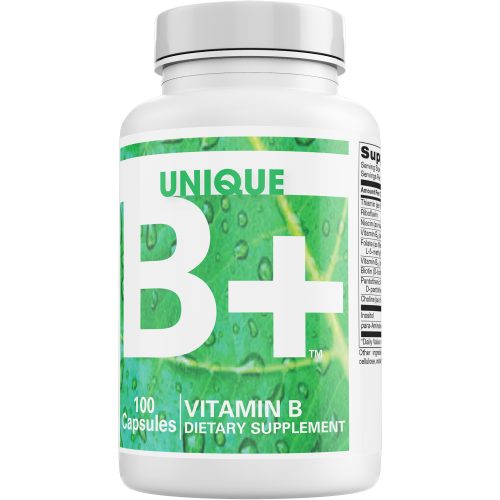
 UNIQUE Vitamin B+ Supplement - 100 Vegetarian Capsules
$31.06 - or subscribe and save up to 5%
UNIQUE Vitamin B+ Supplement - 100 Vegetarian Capsules
$31.06 - or subscribe and save up to 5%
-
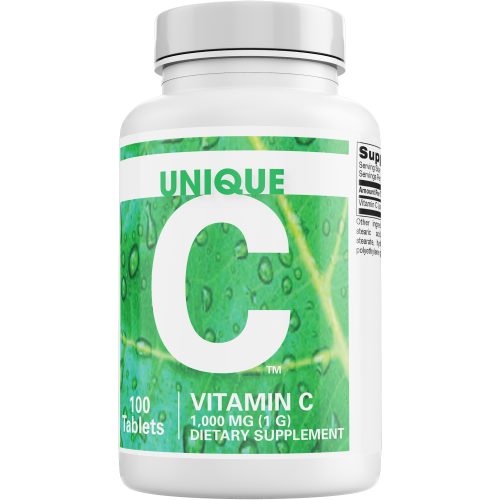
UNIQUE Vitamin C 1000 mg - 100 Tablets
$20.63 - or subscribe and save up to 5%
-
UNIQUE Vitamin D3™ – 5000 IU 125 mcg
$17.37 - or subscribe and save up to 5%
-
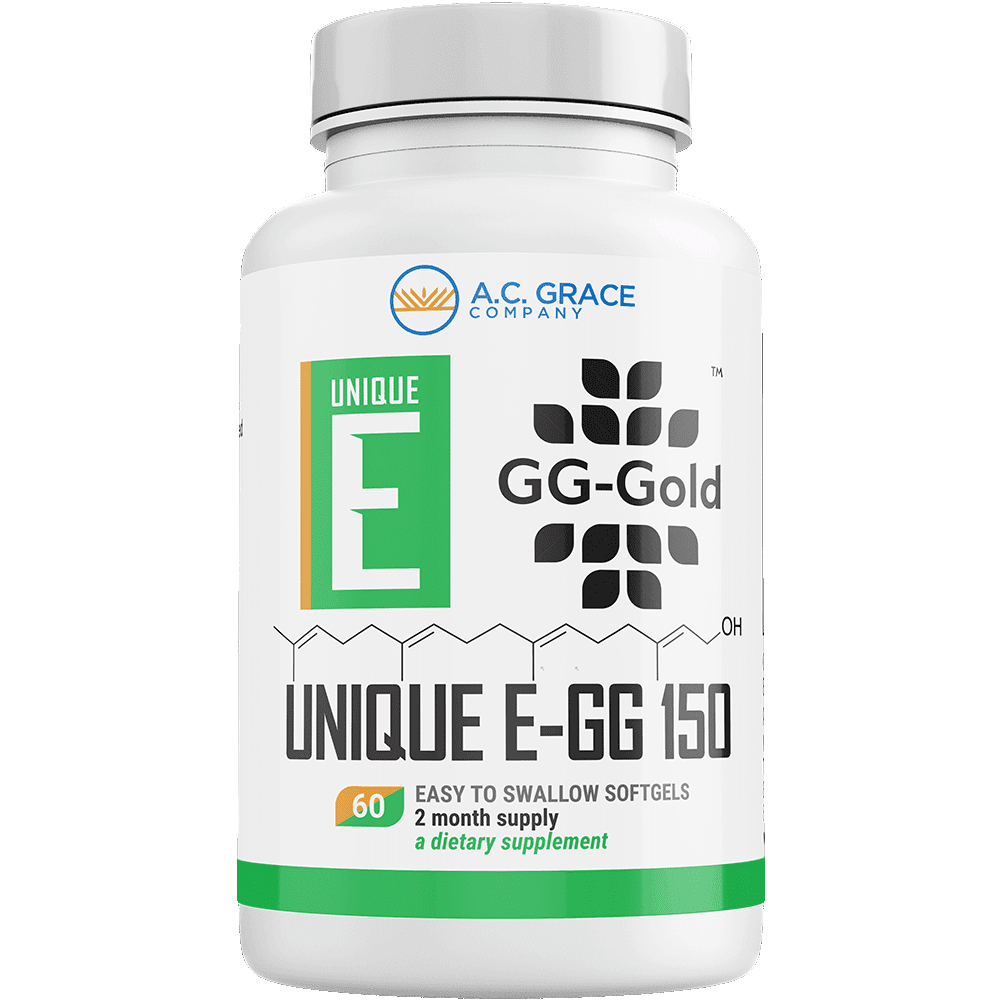
Unique E® GG Gold - Geranylgeraniol Supplement - 60 Softgels
$32.99 - or subscribe and save up to 5%
-
UNIQUE E® Mixed Tocopherols Concentrate – 30 Softgels
$16.99 - or subscribe and save up to 5%