
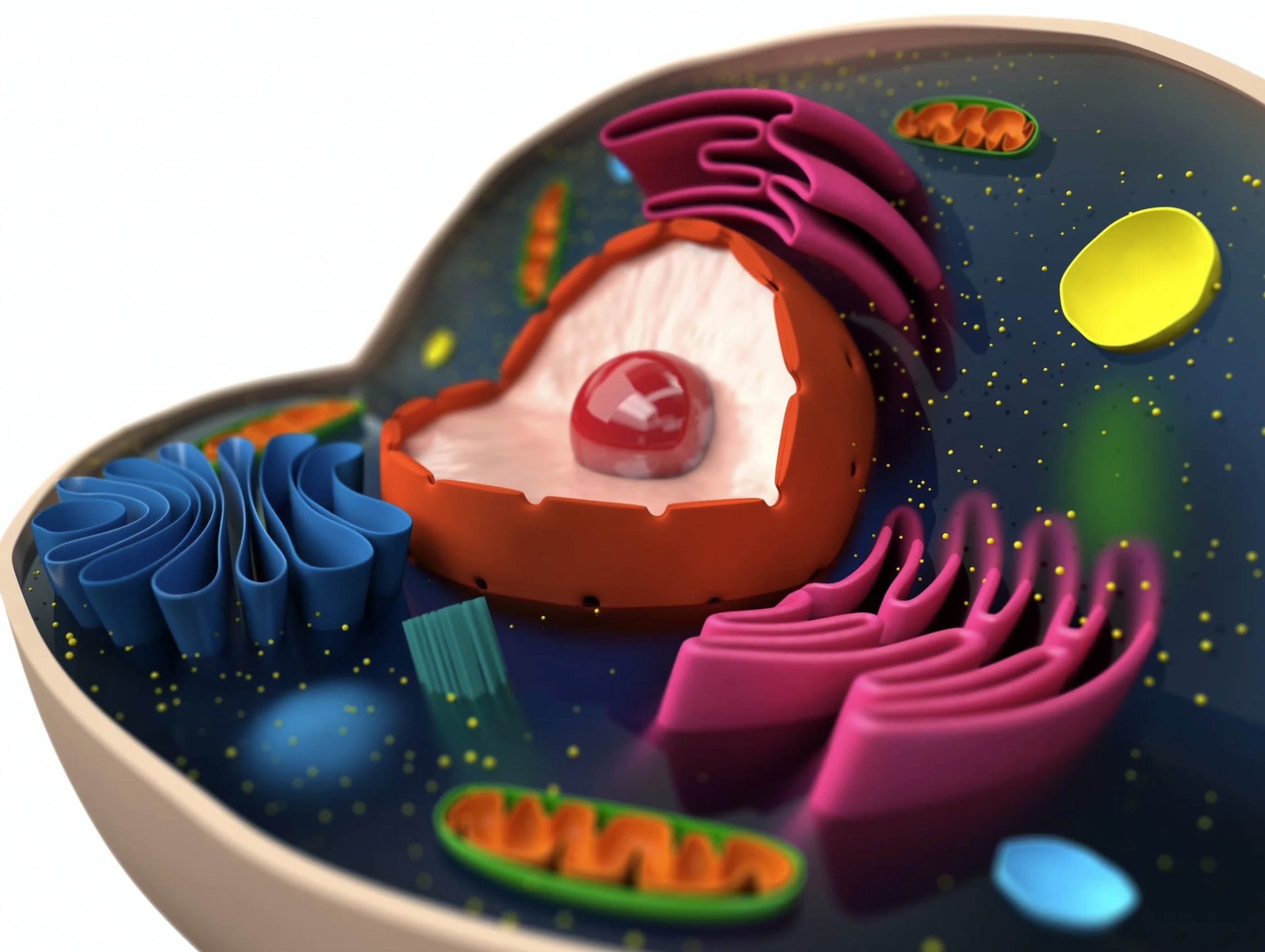
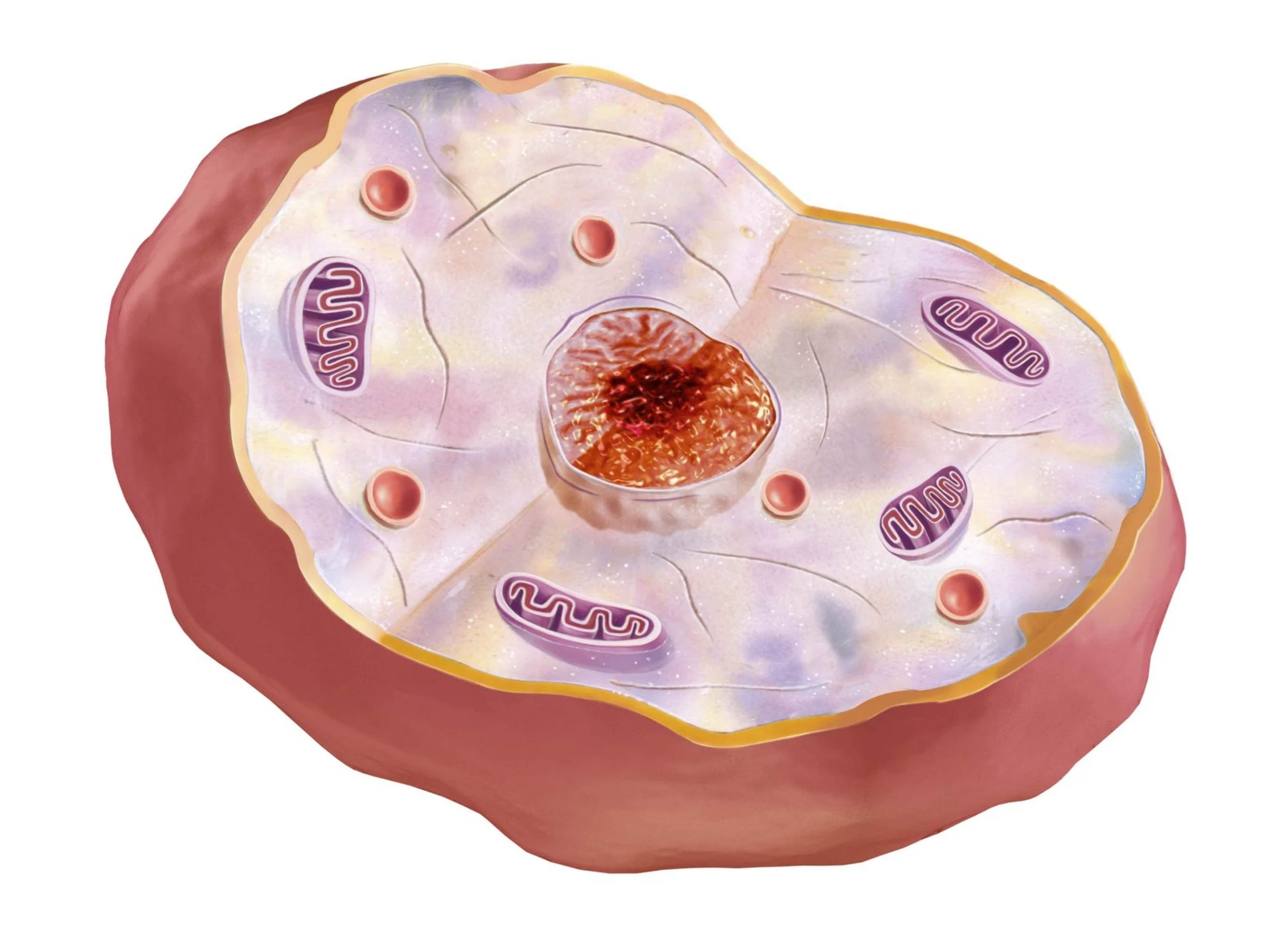
You can’t overstate the importance of healthy cells. Many scientists argue that cellular health is the single most important component of overall bodily health. The problem is, cells are bombarded by internal and external stressors on a daily basis—harmful free radicals among them.
-
Want to give your cells an extra boost in the fight against free radicals, while promoting overall health and well-being? Increasing your daily Vitamin E intake may help. It’s an easy way to fight free radical damage and reduce damage caused by oxidative stress—a major contributor to premature aging and a precursor for a range of serious health concerns, including diabetes and cancer.
-
Wondering whether krill oil or fish oil is better for you? While many people take a fish oil supplement to maintain healthy levels of omega-3s—beneficial fatty acids—krill oil is becoming a popular alternative due to its increased bioavailability and its potential for enhanced heart health benefits.
-
Emerging research suggests that the effects of NAFLD have a direct and deteriorating effect on the brain. Not only do people with NAFLD have increased odds of depression, but also other degenerative neurological conditions, including dementia.
-
Since there are links between RA and oxidative stress, Vitamin E is emerging as a potential way to counteract the development of RA. While studies are ongoing, peripheral research has already begun to lend itself to treatment and therapy models involving Vitamin E.
-
Free radicals, and the oxidative stress they can produce, is believed to contribute to the development of cancer. Read on to discover how neutralizing free radicals and preventing oxidative stress can boost your body’s defense against cancer.
-
If you’re looking to prevent oxidative stress from damaging your body, you need to consider Vitamin E’s role as an effective antioxidant. Although oxidation is an essential and normal process in healthy bodies, it can quickly overwhelm your cells if not kept in check by antioxidants. If you want to reduce oxidative stress throughout the body, increasing your daily intake of Vitamin E can be an excellent idea.
-
There’s evidence suggesting increased Vitamin E intake can improve immune function and inflammatory processes, helping the body resist infection. It accomplishes this in part by combatting oxidative stress that can cause damage to cells—and even cell death.
-
Oxygen is one of the most abundant elements in our bodies, and also one of the most prone to becoming a free radical. When unstable oxygen atoms interact with elements they’re not supposed to, the result is oxidative stress: molecular stress that manifests in the body.
-
How do free radicals like reactive oxygen species (ROS) affect the body? They can have an impact on everything from the health of your skin to contributing to the onset of serious chronic diseases, including cancer. Excessive ROS formation has the potential to cause oxidative stress, leading to cell damage and, at worst, cell death.






Recent Articles
Article Categories
Products
-
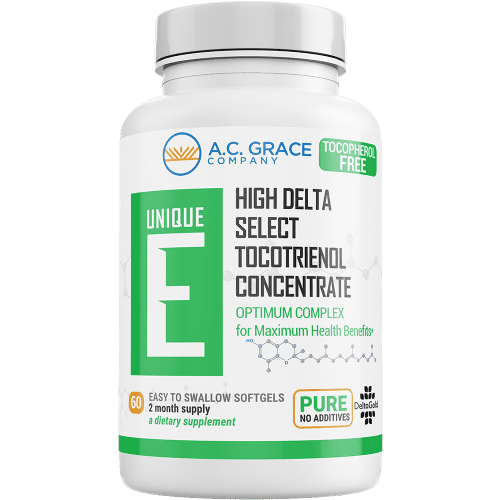
UNIQUE E® Tocotrienols – Tocopherol FREE – 60 Softgels
$42.99 - or subscribe and save up to 5%
-
Unique E® GG Gold - Geranylgeraniol Supplement - 60 Softgels
$32.99 - or subscribe and save up to 5%
-
UNIQUE E® Mixed Tocopherols Concentrate - 120 Softgels
$44.62 - or subscribe and save up to 5%
-
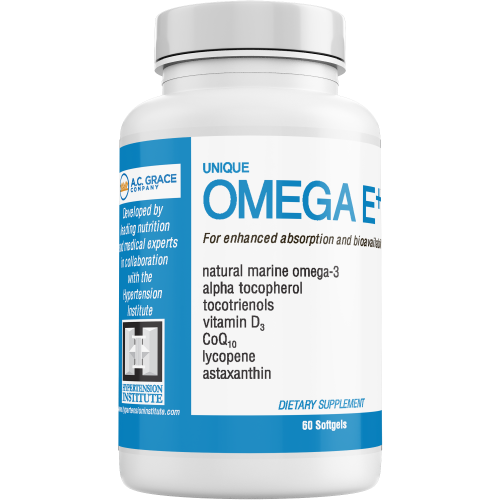
UNIQUE OMEGA E+® Omega 3 With Vitamin E – 60 Softgels
$25.99 - or subscribe and save up to 5%