
While doctors and researchers are still uncovering the full scope of Vitamin E’s potential, a recent study has unearthed a compelling correlation between a vibrant, colorful diet teeming with this critical nutrient. Scientists have found that, along with carotenoids, Vitamin E may potentially reduce risk of Alzheimer’s disease. Let’s take a closer look at this exciting research and explore the potentially important implications it holds for brain health.
A recent study shows the link between antioxidant levels and Alzheimer’s Disease
A new, groundbreaking study featured in the Journal of Alzheimer’s Disease has uncovered a critical relationship between certain antioxidants and Alzheimer’s disease. Led by C. Kathleen Dorey, PhD, a distinguished professor at Virginia Tech Carilion School of Medicine, the study shines a light on the levels of specific antioxidants in individuals with and without Alzheimer’s disease.
The study’s revelation is important. Researchers found that patients grappling with Alzheimer’s disease exhibit drastically lower levels of critical antioxidants when compared to their healthy counterparts. These important antioxidants include lutein, zeaxanthin, lycopene, and Vitamin E. Astonishingly, the quantities of these essential compounds in Alzheimer’s-afflicted individuals were found to be just half of those found in people who weren’t afflicted by the disease.
The cognitive link between a colorful diet and reduced risk of cognitive decline
Lutein and zeaxanthin, two prominent carotenoids, have garnered increasing attention for their potential cognitive benefits. The study lends credence to their role in bolstering brain health, revealing that higher levels of these carotenoids are associated with improved cognitive functioning and potentially reduced risks of dementia and Alzheimer’s disease. This underscores the remarkable power that nutrients exert on cognitive resilience.
To harness the potential of these antioxidants, Dr. Dorey advocates for a dietary approach enriched with carotenoid-rich foods. Delightfully, nature provides an array of options; kale and spinach stand as potent sources of lutein, while the vibrant hues of corn and orange peppers herald the presence of zeaxanthin. By incorporating these colorful gems into our meals, we may effectively bolster our defenses against cognitive decline.
Carotenoids’ protective shield for the brain
Beyond their role as antioxidants, carotenoids also emerge as defenders of brain health. Earlier research has hinted at their potential to shield the brain from damage culminating in Alzheimer’s disease. The recent study marks a milestone by directly linking brain carotenoid levels with the disease itself. Overall, the findings demonstrate that patients battling Alzheimer’s not only exhibit diminished levels of lutein, zeaxanthin, and lycopene but also tocopherols, a class of compounds that belong to the Vitamin E family.
Vitamin E and the battle against oxidative stress
More and more, researchers are focusing on the links between oxidative stress and the development of serious diseases, including Alzheimer’s Disease, cancer, diabetes, and even certain heart conditions. But what causes oxidative stress?
Oxidative stress occurs when the body’s antioxidant defenses are overcome by an abundance of free radicals. You’re exposed to free radicals on a daily basis—from pollution to UV exposure, diet to exercise, there are several ways free radicals occur in the body. Antioxidants like Vitamin E serve to neutralize these free radicals, preventing them from causing cellular damage and even cellular death.
Vitamin E’s antioxidant arsenal
Vitamin E is an essential nutrient that’s stored in fat cells and released on an as-needed basis when the body detects an overabundance of free radicals. It navigates its way through the body, including the blood-brain barrier that safeguards the brain from harmful substances. Here, it battles free radicals, preventing them from inflicting cellular damage. In the context of Alzheimer’s, where oxidative stress runs rampant, Vitamin E’s role in mitigating damage takes on added significance.
From nutrients to risk reduction: preventing Alzheimer’s Disease
As research elucidates the connection between dietary choices and cognitive health, it’s imperative to tread the path of nutritional wisdom with care. While a diet rich in vitamin E and carotenoids offers promising potential, the reality is that obtaining optimal levels through diet alone can be a challenge.
Considering supplements is an avenue to explore, especially for those concerned about reducing Alzheimer’s risk and combating oxidative stress-related conditions but check you’re your doctor first to determine whether it’s right for you. The proper dosage, form, and duration of supplementation can vary based on individual health factors, ensuring a safe and effective approach.
Supplementing for a Healthier Future
In the grand tapestry of health, the recent research that links a colorful diet abundant in Vitamin E and carotenoids to reduced Alzheimer’s risk emerges as a masterpiece. As we savor the vibrant hues of nature’s bounty, we also unlock the potential to safeguard our cognitive vitality. The journey from the lab to our plates reveals that the choices we make today can indeed paint a brighter, more resilient future for our brains. If the allure of harnessing vitamin E’s antioxidant prowess to mitigate oxidative stress beckons, remember to seek the counsel of healthcare professionals. If your doctor determines you’re a good candidate for supplementation, make sure to choose an all-natural Vitamin E supplement that provides the most benefits to the body. In this synergy of science and sustenance, we find the key to nurturing our most treasured possession: our cognitive well-being.
Products you might be interested in:
Related posts



Recommended Products
-
 Gift Card
Price range: $50.00 through $250.00
Gift Card
Price range: $50.00 through $250.00
-
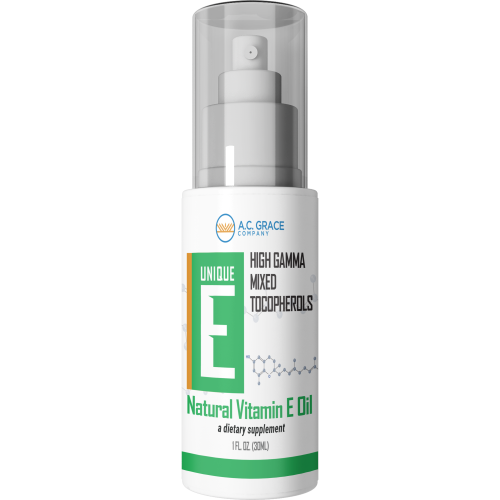
UNIQUE E® Mixed Tocopherols Concentrate Vitamin E Oil – 1 Ounce Pump Bottle
$22.27 - or subscribe and save up to 5%
-
UNIQUE Vitamin K2™ Supplement - MK-7 50mgc
$29.08 - or subscribe and save up to 5%
-
Unique E® GG Gold - Geranylgeraniol Supplement - 60 Softgels
$32.99 - or subscribe and save up to 5%
-
UNIQUE Vitamin B+ Supplement - 100 Vegetarian Capsules
$31.06 - or subscribe and save up to 5%