
Allergies are on the rise. From seasonal sniffles to life-threatening food reactions, more people—especially children—are facing immune responses that turn everyday encounters into potential health risks. But what if a simple nutrient like Vitamin E could help with allergy prevention?
New research suggests that a specific form of vitamin E, alpha-tocopherol, may play a role in preventing allergies before they even start. And not just in adulthood—early in life, before a baby is even born.
A New Study Links Vitamin E to Lower Allergy Risk in Infants
A recent study from Indiana University School of Medicine reveals a fascinating connection: mothers who had higher levels of alpha-tocopherol in their diets during pregnancy and nursing had offspring with a lower risk of developing food allergies. Published in the Journal of Immunology, the research suggests this form of vitamin E may provide protective benefits against allergy development in newborns.
Led by Dr. Joan Cook-Mills, the study used mouse models to examine how vitamin E influenced early immune responses. The results? Infants whose mothers consumed more alpha-tocopherol had fewer severe allergic reactions when exposed to common allergens.
Why does all this matter? Because food allergies often emerge early in life—and once they develop, they’re difficult to reverse. Prevention, rather than treatment, could be the key to reducing allergy rates in future generations.
The Alpha vs. Gamma Debate: Not All Vitamin E Helps
Vitamin E isn’t one single nutrient. It’s a family of compounds, mainly divided into tocopherols and tocotrienols. Among tocopherols, alpha and gamma are the two most common—but they don’t have the same effects on the body.
Dr. Cook-Mills’ previous research found that gamma-tocopherol—found in many common U.S. cooking oils, like soybean, canola, and corn oil—can actually counteract the benefits of alpha-tocopherol. That means the balance between these two forms of vitamin E could be crucial for allergy prevention.
This is one reason European populations may see more benefits from vitamin E supplementation than Americans. In countries where sunflower, safflower, and olive oils are more common, people naturally consume more alpha-tocopherol. In contrast, the typical American diet is heavy in gamma-tocopherol, which may interfere with the protective effects of its alpha counterpart.
So, does this mean we should all change our cooking oils? Maybe. But the bigger picture suggests something even more interesting: Vitamin E isn’t just an antioxidant—it could be a tool for shaping immune responses.
Beyond Infants: Can Vitamin E Help With Seasonal Allergies?
The idea that vitamin E influences allergies doesn’t stop at early development. Other studies have looked at how it impacts seasonal allergic rhinitis (a.k.a. hay fever), a condition that affects millions of people worldwide.
One study found that vitamin E supplementation reduced nasal symptom scores in patients with hay fever. Participants reported fewer sneezing fits, less nasal congestion, and an overall improvement in comfort. While the study didn’t find a significant reduction in medication use, it still suggests that vitamin E—specifically alpha-tocopherol—could play a supportive role in managing allergy symptoms.
Animal studies offer even more intriguing insights. In a separate study, mice born to mothers with higher vitamin E intake were less likely to develop peanut allergies. That’s right—something as simple as prenatal nutrition appeared to influence their immune responses for life. But as promising as these findings are, research on vitamin E and allergies is still in its early stages.
What We Know (and What We Don’t) About Vitamin E and Allergies
Here’s where the science stands so far:
- Vitamin E has anti-inflammatory properties.This may help regulate immune responses and prevent excessive allergic reactions.
- Alpha-tocopherol has shown protective effects against food allergies in early life.Studies suggest that it may help shape immune tolerance in infants.
- Some evidence links vitamin E to reduced hay fever symptoms.Though not a cure, it may provide additional relief for allergy sufferers.
- Not all forms of vitamin E are beneficial for allergies.Gamma-tocopherol may interfere with alpha-tocopherol’s effects, highlighting the importance of the right balance.
- More human studies are necessary.While animal models are promising, large-scale clinical trials are necessary to confirm vitamin E’s role in allergy prevention.
A New Role for Vitamin E? There’s Hope in the Fight Against Allergies
The idea that a single nutrient could influence allergy development—from infancy to adulthood—is both compelling and groundbreaking. While vitamin E has long been valued for its antioxidant and cardiovascular benefits, its role in immune health is an exciting area of study.
Could adjusting vitamin E intake during pregnancy become a future strategy for allergy prevention? Could the right balance of vitamin E forms help with seasonal allergies? The research is still unfolding, but the evidence so far suggests that this absolutely is an area worth exploring.
For now, one thing is clear: nutrition plays a critical role in immune health. And when it comes to allergy prevention, alpha-tocopherol deserves a closer look. As research continues, it’s becoming increasingly evident that the way we view vitamin E’s role in the body is advancing.
Related posts



Recommended Products
-
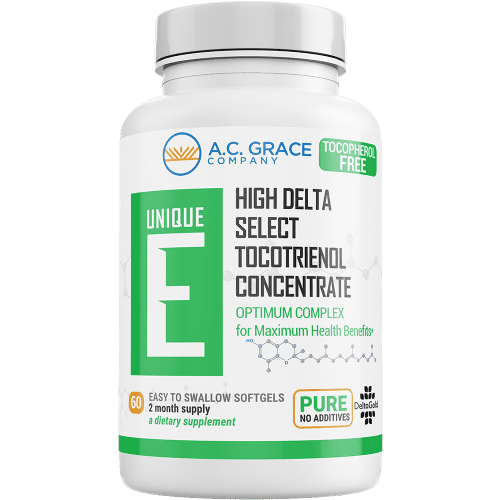
 UNIQUE E® Tocotrienols – Tocopherol FREE – 60 Softgels
$42.99 - or subscribe and save up to 15%
UNIQUE E® Tocotrienols – Tocopherol FREE – 60 Softgels
$42.99 - or subscribe and save up to 15%
-
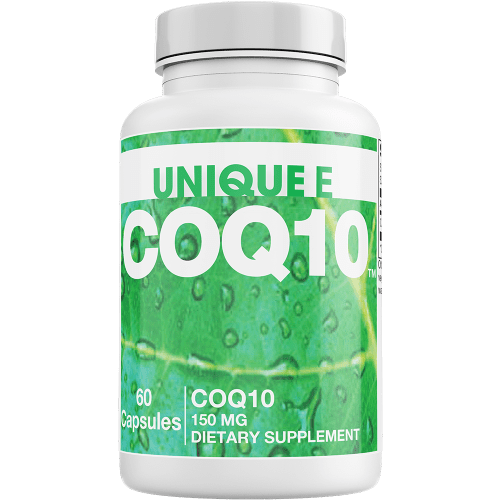
UNIQUE CoQ10™ Ubiquinol 150 mg CQ10 - 60 Softgels
$43.81 - or subscribe and save up to 15%
-
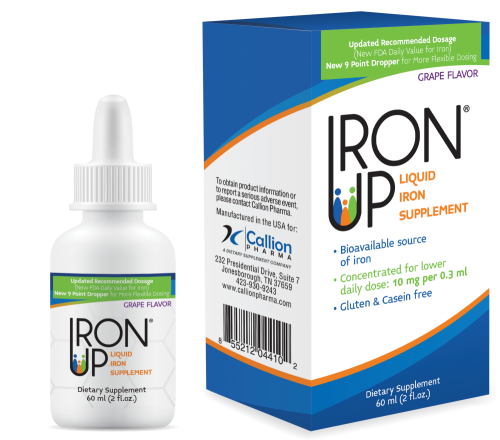
IronUp® Liquid Iron Supplement
$34.75 - or subscribe and save up to 15%
-
UNIQUE E® Mixed Tocopherols Concentrate - 120 Softgels
$44.62 - or subscribe and save up to 15%
-
Cardio Unique E® – 60 Capsules in a Capsule
$42.35 - or subscribe and save up to 15%