
Vitamin E has long been recognized as an essential nutrient with potent antioxidant properties. Over the years, it’s attracted an increasing level of attention for its potential benefits in helping various health conditions, including diabetes.
Diabetes, especially type 2 diabetes mellitus (T2DM), is a chronic metabolic disorder characterized by elevated blood sugar levels. It’s a condition that affects millions worldwide, and researchers are constantly exploring new avenues to manage its impact. Fortunately, a recent meta-analysis has shed light on an exciting possibility: the role of tocotrienol-rich fraction (TFR), a form of Vitamin E, in supporting HbA1c levels in individuals with type 2 diabetes.
Tocotrienol supplementation may help keep HbA1c levels in an ideal range
HbA1c, or glycated hemoglobin, is a crucial marker used to assess long-term blood sugar control in individuals with diabetes. Keeping HbA1c levels within a target range is essential for reducing the risk of complications associated with diabetes, such as cardiovascular disease, kidney problems, and nerve damage.
Traditional treatment strategies for diabetes often involve lifestyle modifications, medication, and insulin therapy. Fortunately, emerging research suggests that certain nutritional interventions, like tocotrienol supplementation, could offer complementary benefits.
Recent studies shed light on tocotrienol-rich fraction
A recent meta-analysis of 10 studies, published in the journal Advances in Nutrition, has drawn attention to the potential impact of tocotrienol-rich fraction (TFR) on HbA1c levels in individuals with T2DM. The meta-analysis, led by Phang et al., systematically reviewed the available evidence on the effects of TFR supplementation on various parameters, including HbA1c, blood pressure, and serum hs-CRP levels.
Promising results for HbA1c reduction
The analysis encompassed a total of 754 subjects across the 10 studies. Notably, eight of these studies investigated the effects of tocotrienols on HbA1c levels. The results were promising, indicating a significant reduction in HbA1c levels following tocotrienol supplementation. Subgroup analyses revealed even more insightful findings. Specifically, the reduction in HbA1c was more significant in studies where the intervention duration was less than six months and in individuals who had been diagnosed with diabetes for fewer than 10 years.
Interestingly, the researchers also noted that subjects with higher baseline HbA1c levels experienced a greater reduction in HbA1c following tocotrienol supplementation, compared to those with lower baseline levels. Additionally, the meta-analysis highlighted that the most substantial effects on HbA1c were observed when higher doses of TFR, ranging from 250 to 400 mg, were administered.
It’s important to note that the study found that the effects of tocotrienols on blood pressure and serum hs-CRP levels were insignificant. It’s possible that the heterogeneity in the duration of diabetes across the studies may have influenced these outcomes. Notably, studies with shorter diabetes durations appeared to show a higher—yet still insignificant—reduction in systolic blood pressure.
Ariati Aris, PhD, a scientific affairs specialist at PhytoGaia, a company specializing in tocotrienol/tocopherol complexes, emphasized the potential value of TFR in dietary supplements for individuals with T2DM. Aris stated, “This review provided insight into the potential value of Palm TRF in the development of effective dietary supplements for people with T2DM, especially in reducing HbA1c.”
Talk to your doctor about supplementing with Vitamin E
The recent meta-analysis highlighting the potential of tocotrienol-rich fraction (TFR) to support HbA1c levels in individuals with type 2 diabetes opens up new avenues for complementary diabetes management strategies. While more research is needed to fully understand the mechanisms and long-term effects, these findings underscore the importance of ongoing exploration into the role of nutritional interventions in improving diabetes outcomes.
In light of this exciting research, it’s important to consult with your healthcare provider before making any changes to your regimen. While the potential benefits are promising, make sure any supplementation aligns with your overall health and medical needs. Diabetes management is multifaceted, and decisions regarding supplementation should be made in collaboration with a qualified healthcare professional.
Supplement safely and effectively with Unique E® Tocotrienols
If you receive approval from your doctor to incorporate tocotrienols into your dietary routine, make sure you’re choosing an all-natural supplement that delivers the most benefits to your body. A.C. Grace’s Unique E® tocotrienols are formulated without alpha-tocopherol, so your body’s able to assimilate the tocotrienols in the most efficient way possible. Talk to your doctor to determine whether it’s right for your situation, and good luck in the fight against HbA1c.
Related posts



Recommended Products
-
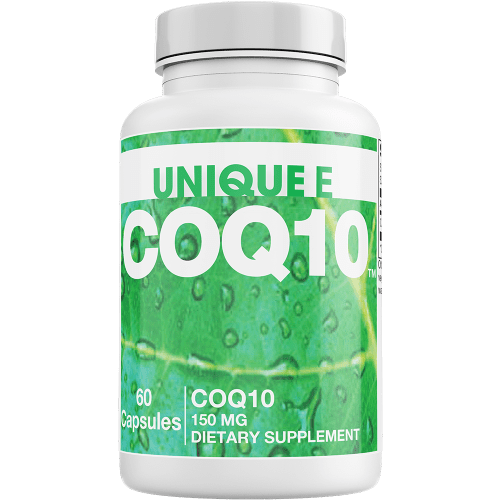
 UNIQUE CoQ10™ Ubiquinol 150 mg CQ10 - 60 Softgels
$43.81 - or subscribe and save up to 5%
UNIQUE CoQ10™ Ubiquinol 150 mg CQ10 - 60 Softgels
$43.81 - or subscribe and save up to 5%
-
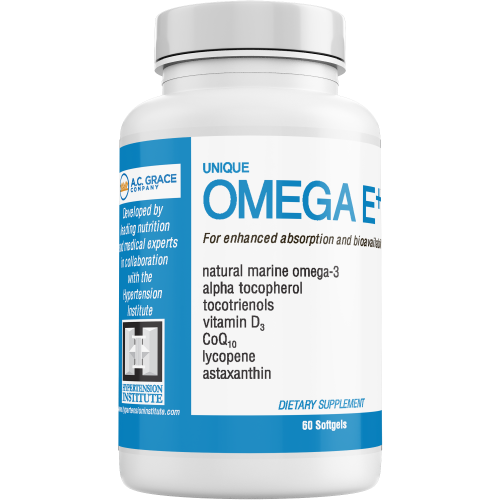
UNIQUE OMEGA E+® Omega 3 With Vitamin E – 60 Softgels
$25.99 - or subscribe and save up to 5%
-
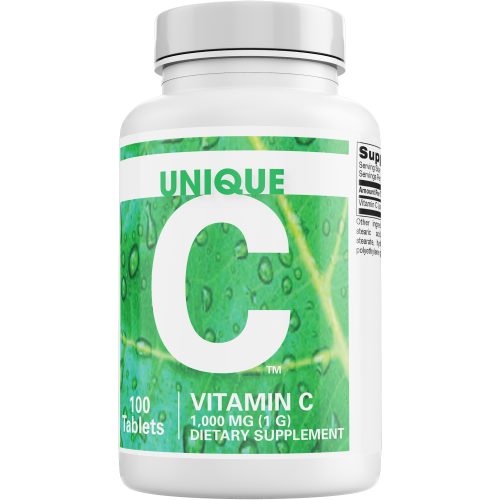
UNIQUE Vitamin C 1000 mg - 100 Tablets
$20.63 - or subscribe and save up to 5%
-
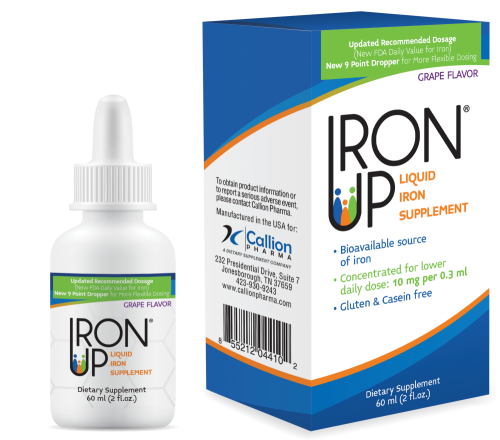
IronUp® Liquid Iron Supplement
$34.75 - or subscribe and save up to 5%
-
UNIQUE Vitamin D3™ – 5000 IU 125 mcg
$17.37 - or subscribe and save up to 5%