
Protecting our brain health is a lifelong journey, and understanding how nutrition plays a role is becoming increasingly important. Recent research from Virginia Tech Carilion School of Medicine is shedding new light on the connection between specific micronutrients and the risk of Alzheimer’s disease. The exciting discovery highlights the potential of vitamin E, especially a group of compounds called tocopherols, to play a major role in safeguarding our cognitive health.
The Antioxidant Defense System: How Vitamin E Guards Your Brain
So, what did the Virginia Tech study find? Led by Professor C. Kathleen Dorey, researchers discovered something fascinating: people with Alzheimer’s have significantly lower levels of five key micronutrients in their brain compared to healthy individuals. These micronutrients, all powerful antioxidants, include:
- Lycopene. Found in red fruits and vegetables like tomatoes and watermelon, lycopene helps protect cells from damage.
- Retinol (Vitamin A). Essential for healthy vision, immune function, and skin, retinol is found in foods like cheese, eggs, and leafy green vegetables.
- Lutein and Zeaxanthin. Often referred to as the “eye vitamins,” these carotenoids protect eye tissues from sun damage and are found in foods like spinach, kale, and eggs.
- Vitamin E. A potent antioxidant that protects cells, supports immune function, and promotes heart health, vitamin E is found in nuts, seeds, and vegetable oils.
How Antioxidants Affect Brain Health
Our brains are constantly battling oxidative stress—a harmful imbalance between free radicals and antioxidants that can damage brain cells. Luckily, Vitamin E is a powerful defender. Vitamin E is actually a family of 8 different compounds split into two groups: tocopherols and tocotrienols. The study particularly highlights tocopherols, with alpha-tocopherol being the most common in our bodies.
How Tocopherols Protect Your Brain
Tocopherols work like microscopic bodyguards for your brain cells:
- They neutralize harmful free radicals that can cause cellular damage
- They help reduce chronic inflammation associated with Alzheimer’s
- They may support better cognitive function and memory preservation
Eating for Brain Health: The MIND Diet
Your diet is a crucial factor in supporting long-term brain health, and researchers are increasingly championing the MIND diet for its cognitive benefits. Short for Mediterranean-DASH Intervention for Neurodegenerative Delay, this eating approach merges two well-studied diets to emphasize foods that promote brain vitality while limiting those that could accelerate cognitive decline. Here are the basics:
- Plenty of fruits and vegetables, particularly green, leafy vegetables rich in brain-protective antioxidants.
- Whole grains, a steady source of glucose to fuel brain function.
- Nuts, loaded with vitamin E and healthy fats.
- Fish, a top-notch source of omega-3 fatty acids to combat inflammation.
- Limited processed foods and red meat, which can contribute to oxidative stress and inflammation over time.
Top Food Sources of Tocopherols
Tocopherols, the vitamin E compounds pivotal to protecting brain health, are found in select foods. To up your intake, include:
- Nuts. Almonds and hazelnuts are among the richest sources of natural vitamin E.
- Sunflower seeds. A powerhouse snack packed with tocopherols.
- Leafy greens. Spinach, kale, and Swiss chard deliver a healthy dose of vitamin E.
- Vegetable oils. Sunflower and wheat germ oil contain high concentrations of tocopherols.
Why Diet Alone Isn’t Enough
Here’s the catch: even with the most meticulous meal planning, getting all the tocopherols your body needs from diet alone is incredibly tough. Research shows the typical Western diet very often falls short of meeting daily recommended levels of vitamin E. Nuts and seeds may provide a boost, but eating the required quantity daily can be challenging—not to mention the added calories if you’re not careful.
Supplementation can bridge this gap, ensuring consistent and sufficient levels of tocopherols. This is especially vital because the brain demands steady access to these nutrients for oxidative protection. Always consult with your healthcare provider to determine the right balance for your dietary and supplemental needs.
Protecting your brain health isn’t just about what’s on your plate—it’s about making strategic nutritional choices to fill in the gaps and fortify your defenses against cognitive decline.
Looking for a simple way to protect your brain health and guarantee your body’s getting enough tocopherols? A.C. Grace’s UNIQUE E® Mixed Tocopherols, provides a complete spectrum of tocopherols—alpha, beta, gamma, and delta—to guarantee you get the full synergistic benefits of this vital nutrient.
Talk to Your Doctor Before Supplementing—Nourish Your Brain With A.C. Grace
The latest research underscores the importance of prioritizing brain health throughout life. By adopting a brain-healthy lifestyle that includes a balanced diet, regular exercise, and stress management techniques, you can take proactive steps to protect your cognitive function and reduce your risk of Alzheimer’s disease.
While a healthy diet is the foundation for obtaining essential nutrients, supplementing can be a valuable tool to make sure you’re meeting your needs, especially if you have dietary restrictions or specific health concerns. Talk to your doctor today.
Related posts



Recommended Products
-
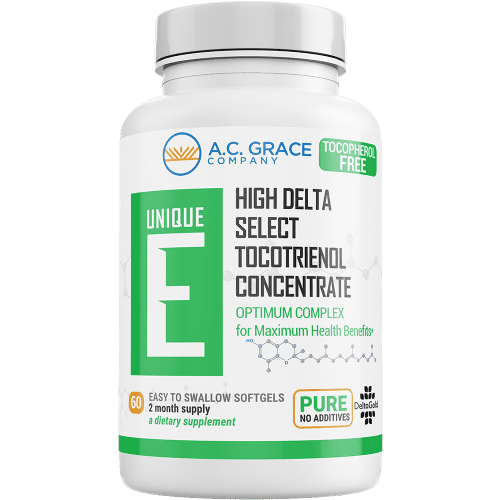
 UNIQUE E® Tocotrienols – Tocopherol FREE – 60 Softgels
$42.99 - or subscribe and save up to 15%
UNIQUE E® Tocotrienols – Tocopherol FREE – 60 Softgels
$42.99 - or subscribe and save up to 15%
-
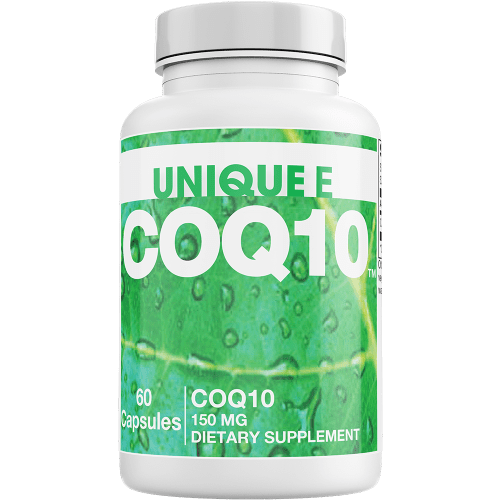
UNIQUE CoQ10™ Ubiquinol 150 mg CQ10 - 60 Softgels
$43.81 - or subscribe and save up to 15%
-
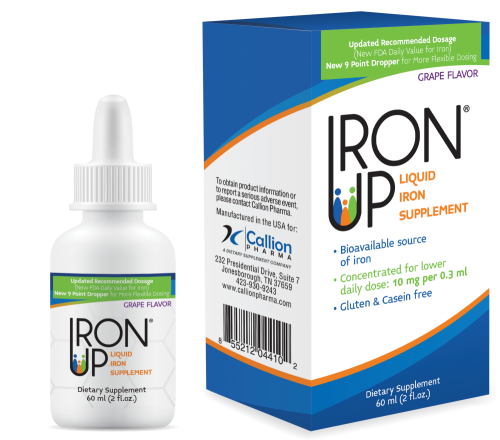
IronUp® Liquid Iron Supplement
$34.75 - or subscribe and save up to 15%
-
UNIQUE E® Mixed Tocopherols Concentrate - 120 Softgels
$44.62 - or subscribe and save up to 15%
-
Cardio Unique E® – 60 Capsules in a Capsule
$42.35 - or subscribe and save up to 15%