
Liver disease doesn’t always announce itself. Often, it creeps in quietly—through years of metabolic stress, poor diet, or underlying health conditions. One of the most serious and underdiagnosed forms? Metabolic Dysfunction-Associated Steatohepatitis, or MASH.
Formerly known as NASH (non-alcoholic steatohepatitis), MASH is a progressive liver disease that affects millions worldwide. And while lifestyle changes remain the cornerstone of treatment, a new clinical study has shed light on a powerful ally in the fight: vitamin E. Here’s what the latest science says—and why it matters for your liver health.
Why MASH Is a Big Deal
MASH is the more severe form of Metabolic Dysfunction-Associated Steatotic Liver Disease (MASLD), previously known as NAFLD. It’s characterized by fat buildup in the liver and its associated inflammation and damage to liver cells. Over time, this condition can lead to fibrosis, cirrhosis, and even liver cancer. It is serious.
The global burden is growing fast—some estimates suggest nearly 30% of people may have MASLD. And among those, a significant number will progress to MASH. The problem is that MASH often develops silently. You might feel fine. You might not even know your liver is struggling—until damage is already done.
A New Hope: Vitamin E and the Liver
Researchers have been exploring vitamin E’s antioxidant properties for years, but the new 2025 study published in Cell Reports Medicine gives us one of the clearest pictures yet of how it may help people with MASH.
In this large, randomized, double-blind, placebo-controlled trial, 124 non-diabetic participants with biopsy-confirmed MASH were followed for 96 weeks. Half received a daily 300 mg dose of vitamin E. The other half got a placebo. Both groups were also guided through personalized diet and exercise plans. The study found:
- Nearly 30% of the vitamin E group showed significant improvement in liver histology, compared to just 14% in the placebo group.
- Steatosis (fat buildup), lobular inflammation, and fibrosis scores all improved significantly with vitamin E.
- Liver enzymes (ALT and AST) dropped, indicating reduced inflammation and liver stress.
- No serious side effects related to vitamin E were reported, helping dispel earlier concerns about high-dose risks like prostate cancer or cardiovascular issues.
The takeaway? A 300 mg daily dose of vitamin E was safe, well tolerated, and effective in improving multiple markers of liver health in people with MASH.
How Does Vitamin E Help MASH?
Vitamin E is a fat-soluble antioxidant. Its main job is neutralizing oxidative stress.
In MASH, oxidative stress is one of the major drivers of liver cell damage. It creates a cascade of inflammation, scarring, and cell death that gradually destroys liver function.
By reducing oxidative stress, vitamin E helps calm that internal storm. In the study, researchers also noted a reduction in inflammatory markers like TNF-α and IL-6—cytokines closely linked to liver damage. This antioxidant support appears to help the liver not only slow disease progression, but in some cases, begin healing.
Who Might Benefit?
If you’re dealing with early signs of liver dysfunction—elevated liver enzymes, fatty liver changes on imaging, or metabolic risk factors like obesity and insulin resistance—these findings are worth your attention. That said, vitamin E for MASH isn’t for everyone.
The study focused on non-diabetic patients. Why? Because previous research raised concerns about long-term safety in diabetic populations. Plus, the risks associated with higher doses of vitamin E—like bleeding or rare forms of cancer—are still being studied.
The researchers chose 300 mg/day for a reason: it strikes a balance between efficacy and safety, especially when taken under medical supervision. This makes the dose especially compelling for non-diabetics who aren’t yet candidates for pharmaceutical interventions but want to support their liver health more proactively.
Vitamin E Is Not a Magic Bullet
Vitamin E shows a lot of promise—but it isn’t a standalone fix. All participants in the study received lifestyle guidance, including nutrition support and regular physical activity. That matters. Weight loss and blood sugar control are still the most powerful tools for reversing MASH.
And while vitamin E improved many liver health markers, it didn’t significantly reduce fibrosis in this study (although other evidence suggests that longer treatment durations or higher doses might help). So, think of vitamin E as a complementary strategy—a way to strengthen your liver’s defenses while you build better habits and, if needed, pursue further treatment with your doctor.
Quality Plays a Role in Efficacy
If you’re considering vitamin E supplementation, there’s a wide variety in terms of quality. For over 50 years, A.C. Grace has been a trusted leader in high-purity vitamin E formulations. Our products are:
- Additive-free, so you’re not ingesting unnecessary fillers.
- Third-party tested for purity and potency.
- Available in natural mixed tocopherol and tocotrienol forms, to help meet a variety of health goals.
Whether you’re exploring options to support liver health, cardiovascular wellness, or antioxidant defense, A.C. Grace offers a range of vitamin E products designed with efficacy and safety in mind. Always talk to your healthcare provider before beginning any new supplement—especially if you have existing conditions or are taking medications.
Take a Step Toward Healing—Is Vitamin E Supplementation Right for You?
MASH may be silent, but it isn’t untouchable. With new data emerging, we’re getting a clearer picture of how targeted, evidence-backed supplements like vitamin E can play a role in liver recovery—especially for those catching the condition early.
If you’re managing metabolic health, tracking your liver enzymes, or just looking for ways to stay ahead of inflammation, this study is worth discussing with your doctor.
You can explore high-purity vitamin E options at A.C. Grace. Take the first step in your liver health journey with the science—and the support—you can trust.
Related posts



Recommended Products
-
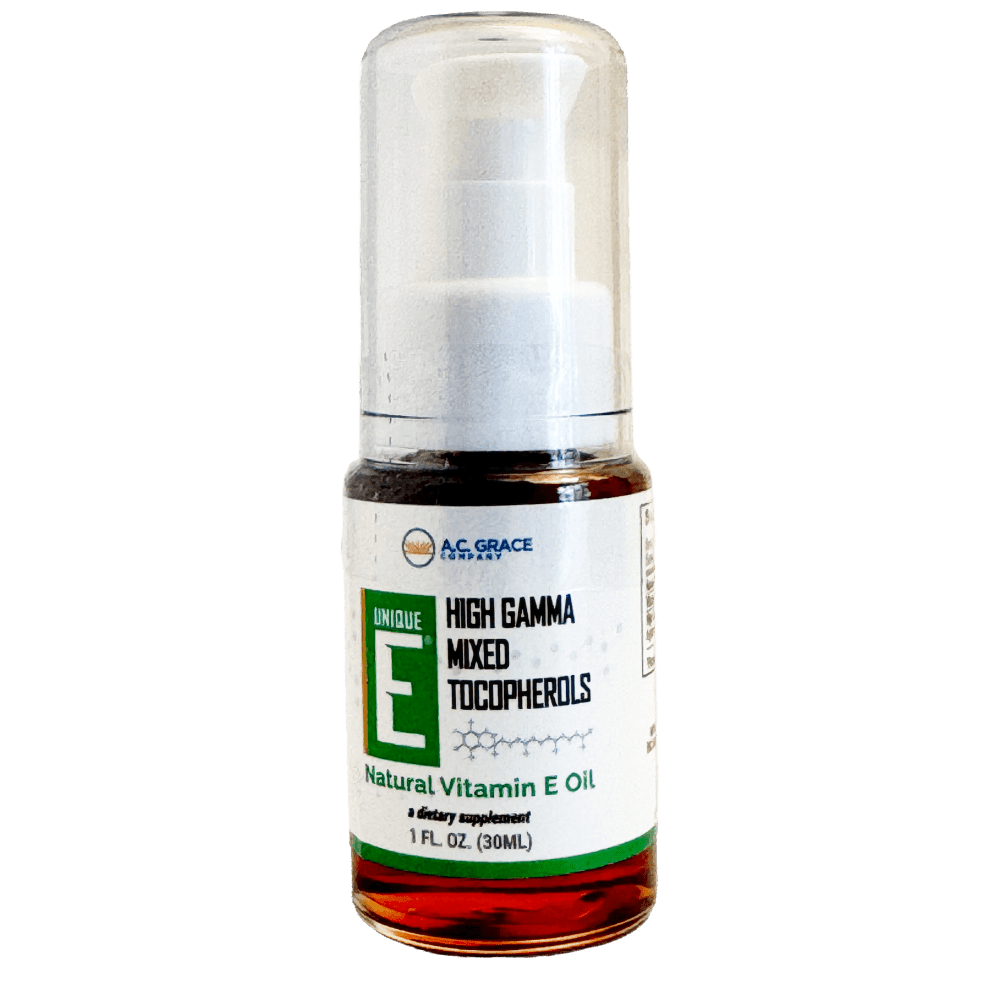
 UNIQUE E® Mixed Tocopherols Concentrate Vitamin E Oil – 1 Ounce Pump Bottle
$22.27 - or subscribe and save up to 15%
UNIQUE E® Mixed Tocopherols Concentrate Vitamin E Oil – 1 Ounce Pump Bottle
$22.27 - or subscribe and save up to 15%
-
Unique E® GG Gold - Geranylgeraniol Supplement - 60 Softgels
$32.99 - or subscribe and save up to 15%
-
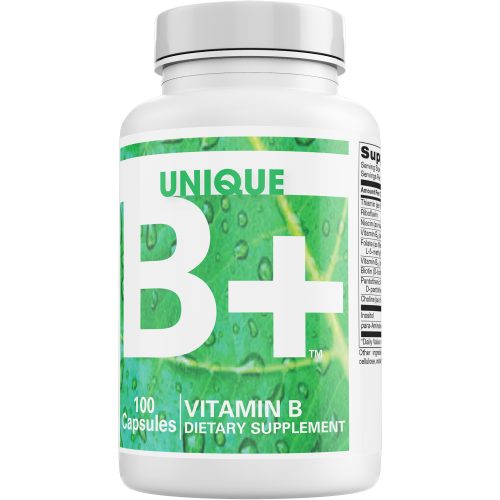
UNIQUE Vitamin B+ Supplement - 100 Vegetarian Capsules
$31.06 - or subscribe and save up to 15%
-
Cardio Unique E® – 60 Capsules in a Capsule
$42.35 - or subscribe and save up to 15%
-
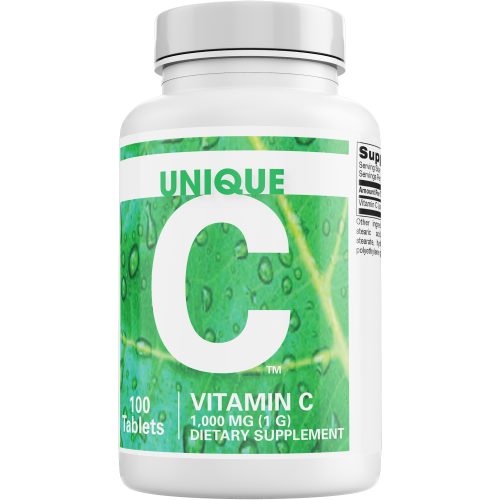
UNIQUE Vitamin C 1000 mg - 100 Tablets
$20.63 - or subscribe and save up to 15%