
If you’re taking statins and wondering whether vitamin E could support—or sabotage—your health, you’re not alone. Statins are among the most widely prescribed drugs in the world, taken daily by millions to lower cholesterol and reduce the risk of heart disease and stroke. Vitamin E, on the other hand, is one of the most talked-about antioxidants, especially when it comes to protecting cells from oxidative stress—something that plays a central role in heart disease, aging, and even statin side effects. So, what happens when statins and vitamin E intersect?
The Combination of Statins and Vitamin E
On the surface, statins and vitamin E seem to work in complementary ways. But beneath that are complex mechanisms, mixed findings, and a fair share of misunderstanding.
What Statins Do
Statins work by inhibiting an enzyme (HMG-CoA reductase) involved in the body’s cholesterol production. Less cholesterol = less buildup in your arteries = lower risk of heart attack and stroke.
Beyond their lipid-lowering abilities, statins also have anti-inflammatory and antioxidant-like effects, which some researchers believe contribute to their benefits. These pleiotropic effects—benefits beyond cholesterol reduction—are part of why statins are foundational for cardiovascular care.
What Vitamin E Does
Vitamin E refers to a group of fat-soluble compounds, including tocopherols and tocotrienols, that act as powerful antioxidants. Its main job is to protect cell membranes from oxidative damage—especially in lipid-rich tissues like the brain, muscles, and heart.
It also plays a role in immune function, gene regulation, enzyme activity, and cellular communication. Because of its antioxidant strength, vitamin E is often studied in relation to cardiovascular disease, diabetes, neurodegeneration, and muscle health.
Why This Combo Comes Up So Often
There are a few good reasons why statins and vitamin E frequently show up in the same conversation—whether in research, doctor’s offices, or supplement discussions:
- Statins are long-term medications. Many people stay on them for decades. Over time, they want to know if something more can be done—especially if side effects occur.
- Vitamin E is tied to heart health. It’s natural to ask whether combining it with a heart medication makes sense—or causes conflict.
Plus, a few headlines over the years have suggested statins “deplete” vitamin E. Others have claimed they enhance antioxidant status. No wonder people are confused!
Do Statins Decrease Vitamin E Levels?
The answer isn’t as straightforward as you might expect.
Some research says yes.
A few studies suggest that statins may lower circulating vitamin E levels. The proposed mechanism? Since vitamin E’s transported in lipoproteins (like LDL), lowering cholesterol may reduce the amount of vitamin E in the blood.
In other words, less cholesterol = fewer carriers for vitamin E = potentially lower measured levels. This doesn’t necessarily mean deficiency—it may just reflect redistribution. Still, it raises valid concerns for those with borderline vitamin E status or high oxidative stress.
Other studies say the opposite.
Interestingly, some research finds that statins actually enhance antioxidant status, including increased vitamin E levels. Why? Statins reduce oxidative stress by lowering inflammation and free radical production, so your body may use less vitamin E overall.
Statins don’t inherently “cause” vitamin E deficiency—but they may influence how much vitamin E circulates, how it’s used, and how your body responds to oxidative stress.
What the Research Says About Supplementing with Vitamin E While on Statins
Now let’s get to the heart of the question: Should statin users supplement with vitamin E? It depends—on your overall health, current medications, and specific goals. But we do have a growing body of research that sheds light on how the two interact and where supplementation might help. Here’s what we know so far:
- Muscle Health & Statin Side Effects
Statin-associated muscle symptoms (SAMS), like soreness, fatigue, weakness, or cramps, are one of the most commonly reported issues by long-term users. These symptoms often range from mild discomfort to more serious conditions like myopathy. Some researchers believe that oxidative stress in muscle tissues may be one of the contributing factors—especially since statins affect mitochondrial function.
As a lipid-soluble antioxidant, vitamin E helps stabilize cell membranes and neutralize reactive oxygen species (ROS) in fat-rich tissues like muscle. A few small studies and animal models have explored its potential for reducing oxidative stress in muscle tissue, with some positive results. Human data remains limited and inconclusive, though.
That said, anecdotal reports from patients and some integrative healthcare providers continue to suggest that vitamin E—especially when paired with CoQ10—may help reduce muscle discomfort for certain individuals on statins. This area is ripe for more research, especially in older adults and those with preexisting mitochondrial or muscular vulnerabilities.
- Liver Enzyme Protection
While statins are generally safe for liver health, a small subset of users experience elevations in liver enzymes like ALT and AST—indicators of stress or inflammation in the liver. These elevations are usually mild and transient, but they can cause concern or require discontinuation of therapy in rare cases.
A study on patients taking atorvastatin found that vitamin E supplementation led to a reduction in these liver enzymes, pointing to a possible protective effect. Researchers theorized that vitamin E’s antioxidant properties may reduce liver inflammation, improve hepatocyte function, and stabilize cellular membranes under oxidative pressure from statin metabolism.
It’s important to note that vitamin E doesn’t interfere with the statin’s lipid-lowering ability. Instead, it may offer a layer of cellular protection for those more sensitive to liver stress. While not a universal recommendation, this could be a topic worth discussing with a healthcare provider—especially if you’ve previously stopped statins due to enzyme elevations.
- Insulin Sensitivity & Inflammation
Statins, especially at higher doses, have been associated in some studies with an increased risk of insulin resistance and new-onset type 2 diabetes. For patients already living with diabetes or metabolic syndrome, this is a real concern.
Interestingly, a few clinical trials have investigated whether combining vitamin E with statins could counteract these metabolic shifts. One study in patients with type 2 diabetes found that co-administering vitamin E and atorvastatin improved insulin sensitivity and lowered markers of systemic inflammation, such as C-reactive protein (CRP).
This makes sense, given that vitamin E is known to reduce oxidative stress in pancreatic beta cells and adipose tissue—both key in glucose regulation. While it’s too early to recommend vitamin E solely for blood sugar management in statin users, the findings highlight another potential benefit of this pairing, especially for those managing overlapping cardiometabolic conditions.
- Cardiovascular Risk Markers
If vitamin E is good for heart health, does taking it with statins double the benefit? Not quite—research shows that vitamin E doesn’t significantly amplify the lipid-lowering power of statins. Your cholesterol levels probably won’t drop further with E supplementation alone, but that’s not the whole story.
Vitamin E may still provide complementary benefits—especially in reducing LDL oxidation, protecting arterial walls, and preserving endothelial function (the ability of blood vessels to dilate and contract properly). These antioxidant effects are subtler than changes on a blood test, but they matter—especially in high-risk individuals.
Some trials also show reductions in inflammatory markers, like CRP, when statins and vitamin E are used together. While these results vary across populations and doses, they suggest vitamin E may support overall vascular health, even if it doesn’t directly lower cholesterol.
Risks and Considerations
Vitamin E is widely available and generally safe—but like any supplement, it’s not without risk, especially in higher doses or when taken alongside certain medications.
Most clinical trials involving vitamin E for cardiovascular or metabolic health use 300–800 IU/day, often for 6–24 months. The upper tolerable intake limit set by the NIH is 1,500 IU/day of natural vitamin E (or 1,000 mg). Still, lower doses are generally recommended unless otherwise advised by a physician.
So—Is This Combination Safe and Worthwhile?
Here’s the best way to frame your decision:
- If you’re taking a statin and eating a healthy, antioxidant-rich diet, you might not need a supplement unless you have specific concerns—like lingering muscle pain, elevated liver enzymes, or low antioxidant levels.
- If you’re already supplementing with vitamin E, aim for a moderate daily dose (e.g., 100–400 IU/day), use a high-quality natural form like d-alpha tocopherol or mixed tocopherols, and make sure your healthcare provider is in the loop.
- If you’re actively dealing with statin side effects, metabolic challenges, or cardiovascular concerns, vitamin E might offer supportive benefits—but you need personalized advice before adding it to your routine.
Ultimately, what matters most is not just whether you take vitamin E, but how you take it, what form you choose, and how it fits into your broader health strategy.
High-Purity Vitamin E Matters
If you and your healthcare provider decide that vitamin E supplementation makes sense for you, not just any product will do. At A.C. Grace, we’ve spent decades refining high-purity, natural vitamin E products—free from additives, fillers, and unnecessary oils. Our formulations are tested for potency, purity, and bioavailability. We offer both tocopherol-rich and tocotrienol blends so you can choose the right support for your needs—with confidence.
Talk to Your Doctor, But Do Ask the Question
Statins and vitamin E can absolutely coexist—for some people, they might even be a smart pairing. But the right choice depends on your health history, medications, and goals. The science isn’t black and white, so there’s no blanket yes or no. That’s exactly why asking the question matters: Should I take vitamin E if I’m on a statin? Instead of guessing, talk to your doctor and understand the research. And if you do supplement, choose wisely. Explore A.C. Grace’s high-purity vitamin E products here.
Related posts



Recommended Products
-
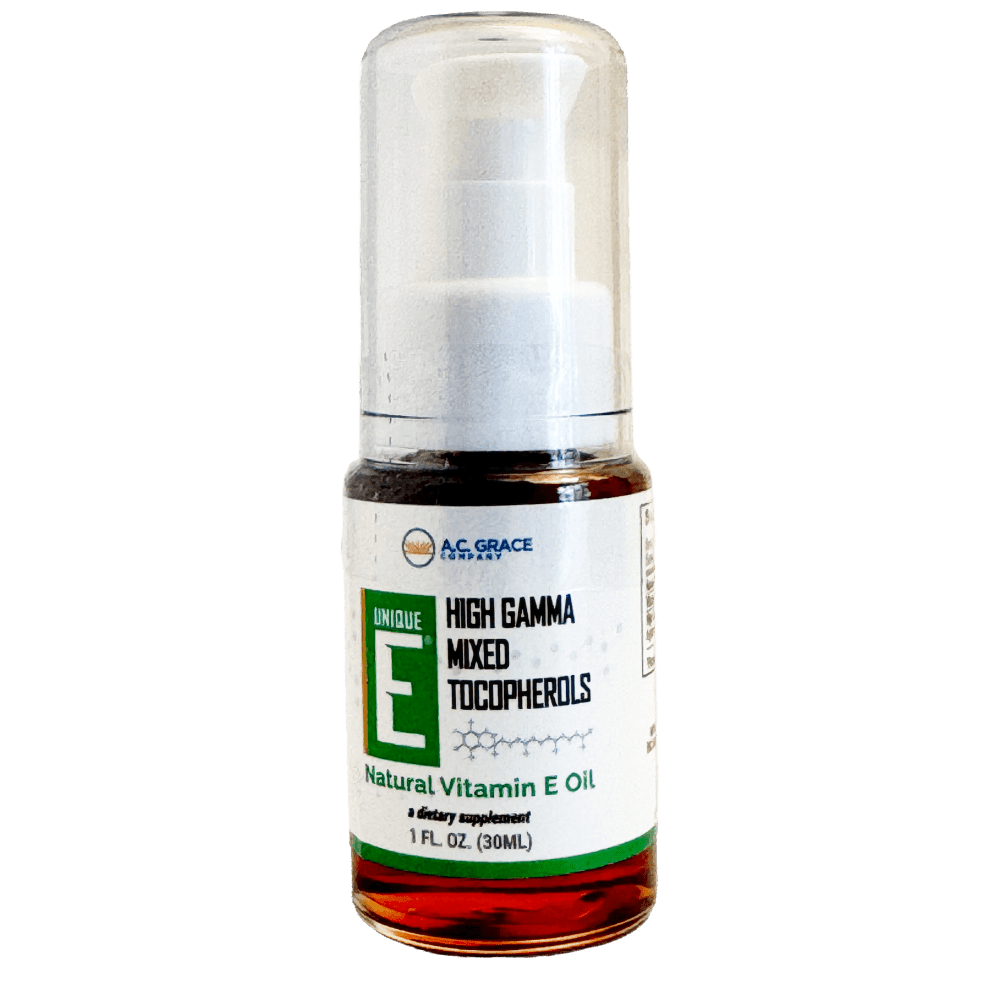
 UNIQUE E® Mixed Tocopherols Concentrate Vitamin E Oil – 1 Ounce Pump Bottle
$22.27 - or subscribe and save up to 5%
UNIQUE E® Mixed Tocopherols Concentrate Vitamin E Oil – 1 Ounce Pump Bottle
$22.27 - or subscribe and save up to 5%
-
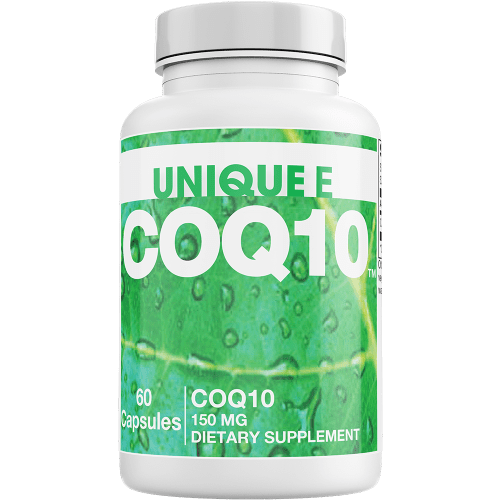
UNIQUE CoQ10™ Ubiquinol 150 mg CQ10 - 60 Softgels
$43.81 - or subscribe and save up to 5%
-
UNIQUE Vitamin D3™ – 5000 IU 125 mcg
$17.37 - or subscribe and save up to 5%
-
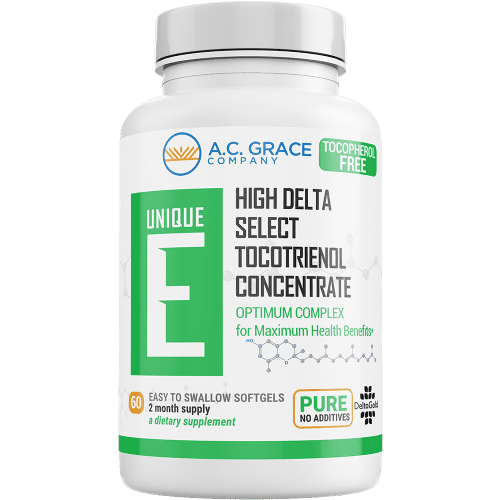
UNIQUE E® Tocotrienols – Tocopherol FREE – 60 Softgels
$42.99 - or subscribe and save up to 5%
-
Cardio Unique E® – 60 Capsules in a Capsule
$42.35