
Metabolic syndrome (MetS) is a dangerous cluster of risk factors that quietly drives heart disease, type 2 diabetes, and even early mortality. Central obesity, high blood pressure, elevated triglycerides, and low HDL cholesterol form the classic profile, but underneath lies something more insidious: chronic low-grade inflammation. Can a nutrient like vitamin E make a difference?
A 2025 study published in Nutrition Research offers new insights into how this essential antioxidant interacts with systemic inflammation and metabolic health. It’s bringing fresh clarity to the complex relationships between vitamin status and the development of MetS.
What the 2025 São Paolo Study Found
The peer-reviewed study looked at health data from 580 adults and older adults participating in a large-scale population health initiative in São Paulo called the ISA-Nutrition survey. Researchers measured plasma vitamin E concentrations—specifically α-tocopherol, the most biologically active form—using high-performance liquid chromatography, the gold-standard lab technique for precision.
They then compared these values against metabolic syndrome criteria (per the International Diabetes Federation), as well as a wide panel of inflammatory and anti-inflammatory biomarkers, including:
- Interleukin-1β (IL-1β).
- Interleukin-6 (IL-6).
- Hepcidin.
- Adiponectin.
- C-reactive protein (CRP).
- Tumor necrosis factor-alpha (TNF-α).
- Monocyte chemoattractant protein-1 (MCP-1).
The findings were compelling yet nuanced:
- Inverse Relationship with Metabolic Syndrome. People with higher lipid-adjusted vitamin E levels were much less likely to meet the diagnostic criteria for MetS. Put simply, higher vitamin E status correlated with better metabolic health.
- Nonlinear Pattern with Inflammatory Markers. An AJ-shaped association was observed between vitamin E and certain inflammatory markers, such as IL-1β, hepcidin, and adiponectin. So, both very low and very high vitamin E levels were linked with undesirable changes, suggesting an optimal “middle range” exists for reducing inflammation.
- Vitamin E Linked to Lower Systemic Inflammation. Overall, higher vitamin E levels were associated with lower levels of low-grade systemic inflammation, a known contributor to insulin resistance, atherosclerosis, and chronic disease.
- Stronger Effects in Individuals with Higher HDL Cholesterol. The protective effect of vitamin E was more pronounced in participants with higher HDL-c (the “good” cholesterol). This suggests that vitamin E’s benefits may work synergistically with a healthy lipid profile.
These findings build on previous evidence that vitamin E supplementation can reduce C-reactive protein (CRP) and other inflammatory markers in clinical settings. They also underscore an important nuance. Simply taking “more” vitamin E may not be the answer. Maintaining the right balance is.
Why Vitamin E Has an Impact on Metabolic Health
Vitamin E, particularly alpha-tocopherol, is the body’s main fat-soluble antioxidant. It integrates into cell membranes, neutralizing free radicals where they do the most damage: in the delicate lipids that make up cellular structures. This is especially relevant for metabolic health because:
- Inflammation and oxidative stress feed each other. Elevated blood sugar, central adiposity, and dyslipidemia increase the production of reactive oxygen species (ROS). ROS, in turn, activate inflammatory pathways like NF-κB, perpetuating metabolic dysfunction.
- Vitamin E breaks this cycle. By reducing lipid peroxidation and dampening NF-κB activation, vitamin E helps control oxidative stress at its source.
- It influences metabolic signaling. Beyond its antioxidant role, vitamin E modulates gene expression linked to inflammation, insulin sensitivity, and lipid metabolism.
This biochemical profile explains why low vitamin E status is frequently seen in individuals with MetS, and why replenishing it could be protective.
Practical Implications for Prevention
While this study was observational and cannot establish causation, its implications are important:
- Vitamin E status should be part of metabolic risk assessment. Routine blood panels rarely include it, but optimal antioxidant status may be as important as glucose or lipid levels in long-term metabolic health.
- Dietary patterns matter. Nuts, seeds, vegetable oils, and leafy greens provide vitamin E in its natural forms. Diets high in processed foods and low in these staples often correlate with lower vitamin E levels.
- Supplementation demands precision. For people with higher oxidative stress—like people with obesity, diabetes, or inflammatory conditions—targeted supplementation can help, but form and dosage should be guided by a medical provider.
You Deserve Targeted Support Without Compromise
If you’re looking to support your metabolic health, reduce inflammation, and maintain antioxidant balance, a high-quality vitamin E supplement could be part of the solution, especially when dietary intake’s lacking. A.C. Grace has developed comprehensive vitamin E formulas that respect this balance.
Vitamin E’s role in reducing inflammation and lowering the risk of metabolic syndrome is backed by real data, and it should be backed by real purity and precision in supplementation. By prioritizing natural, balanced sources of vitamin E—through diet and, when appropriate, supplementation—you can support not only metabolic health but also the broader foundation of well-being that extends to cardiovascular, cognitive, and cellular resilience. Want to see if supplementing is right for you? Talk to your doctor today.
Disclaimer: This article is for informational purposes only and is not intended as medical advice. Individuals with existing health conditions or those taking medication should consult a qualified healthcare professional before making changes to their diet or supplement regimen.
Related posts



Recommended Products
-
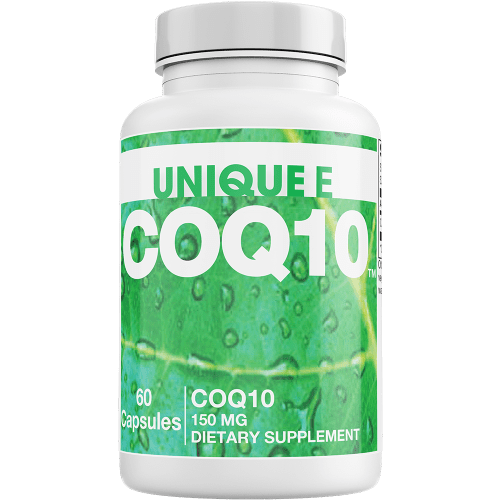
 UNIQUE CoQ10™ Ubiquinol 150 mg CQ10 - 60 Softgels
$43.81 - or subscribe and save up to 15%
UNIQUE CoQ10™ Ubiquinol 150 mg CQ10 - 60 Softgels
$43.81 - or subscribe and save up to 15%
-
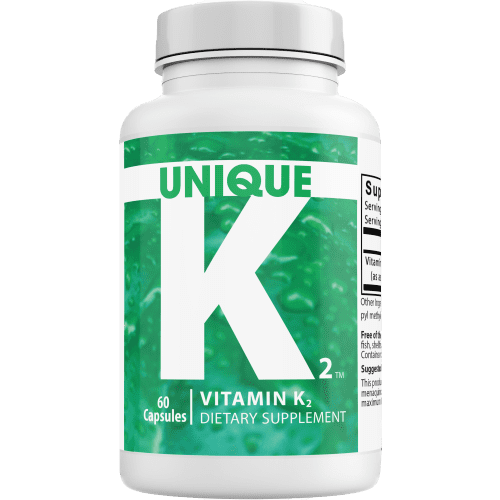
UNIQUE Vitamin K2™ Supplement - MK-7 50mgc
$29.08 - or subscribe and save up to 15%
-
UNIQUE E® Mixed Tocopherols Concentrate – 30 Softgels
$16.99 - or subscribe and save up to 15%
-
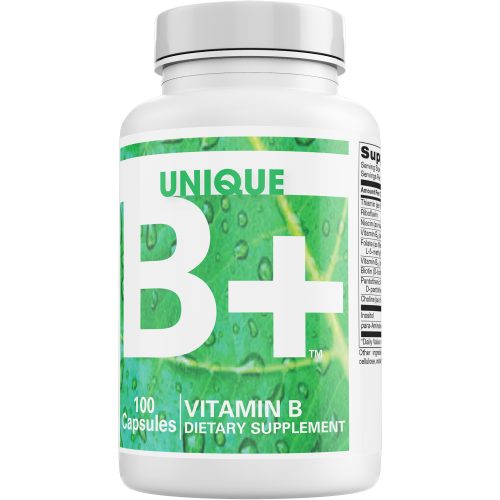
UNIQUE Vitamin B+ Supplement - 100 Vegetarian Capsules
$31.06 - or subscribe and save up to 15%
-
UNIQUE Vitamin D3™ – 5000 IU 125 mcg
$17.37 - or subscribe and save up to 15%