Most people think of vitamin E in terms of skin and immunity. In reality, this nutrient is a frontline antioxidant that protects cell membranes, supports nerve conduction, helps immune cells signal, and even influences how well tissues heal. When someone’s vitamin E levels are low, the early signs are subtle—tiredness after routine effort, slower wound healing, pins-and-needles in the hands or feet.
Since those signs overlap with everyday stress or aging, true deficiency can go on for months before anyone notices. Here’s what you need to know:
What Does Vitamin E Do?
Vitamin E is a fat-soluble antioxidant that protects your cells from oxidative stress. It plays a critical role in:
- Nervous system health.
- Immune function.
- Muscle repair and strength.
- Vision.
- Wound healing and skin integrity.
Of the 8 natural forms of vitamin E, α-tocopherol is the one most commonly measured in blood, but other forms like γ-tocotrienol are increasingly being studied for their unique cellular effects.
Why Vitamin E Deficiency Can Be So Easy to Miss
Vitamin E deficiency usually doesn’t cause an acute crisis. Instead, it unfolds in subtle ways, including:
- Tingling or numbness in the hands or feet.
- Weakness or mild muscle coordination issues.
- Fatigue, especially after illness.
- Slower wound healing.
- Occasional “brain fog” or concentration trouble.
- Mild vision changes that are hard to pin down.
Because these symptoms overlap with aging, stress, or other health issues, they’re often dismissed—or never connected to vitamin E levels at all. That’s a problem.
Who’s at Risk for Vitamin E Deficiency?
You can become deficient in vitamin E either because you’re not eating enough of it—or because your body can’t absorb it properly.
- People with low vitamin E dietary intake
If your diet lacks healthy fats, nuts, seeds, or leafy greens, you may not be getting enough vitamin E. This is more common in:
- Very low-fat or elimination diets
- Individuals with eating disorders
- People with limited access to nutrient-dense foods
- People with fat-malabsorption disorders
Vitamin E is fat-soluble, so anything that affects fat absorption can interfere with your ability to absorb it. People with the following conditions typically have a hard time maintaining an appropriate levels of vitamin E:
- Cystic fibrosis.
- Chronic pancreatitis.
- Crohn’s disease.
- Celiac disease (especially if untreated).
- Genetic conditions
Some rare conditions—like abetalipoproteinemia or certain types of ataxia—make it difficult for the body to transport or metabolize vitamin E, even when dietary intake is normal.
- Surgery or medication
Gastrointestinal surgeries, bariatric procedures, and medications like orlistat (a fat-blocker) or long-term anticonvulsants can reduce absorption or increase the need for supplementation.
Why You Should Pay Attention to Vitamin E Deficiency
When your vitamin E levels drop, it can quietly erode key protective systems in the body:
- Nervous system damage. Vitamin E helps protect nerve membranes from oxidative damage. Without it, nerve conduction slows, leading to tingling, numbness, and even balance issues. Over time, it may contribute to irreversible peripheral neuropathy.
- Immune dysfunction. Vitamin E supports T-cell production and function, both essential for defending against viruses and bacteria. A deficiency makes it harder to fight off infections and may prolong recovery after injury or surgery.
- Vision and muscle health. Vitamin E protects the retina and skeletal muscles. Without it, vision can fade and muscle strength declines, especially in chronic illness or aging.
Concerned About Vitamin E Levels? Get a Solid Diagnosis
Doctors can order a serum α-tocopherol test, which is most reliable when interpreted alongside cholesterol or lipid levels. For people at high risk—those with chronic malabsorption issues or rare metabolic disorders—routine monitoring may be necessary every 3–6 months.
Emerging tech also shows promise. AI-driven platforms are beginning to combine genetic insights, biomarker data, and diet tracking to flag deficiencies earlier than symptoms alone would allow. If your doctor determines you’re deficient in vitamin E, the first path often starts with food:
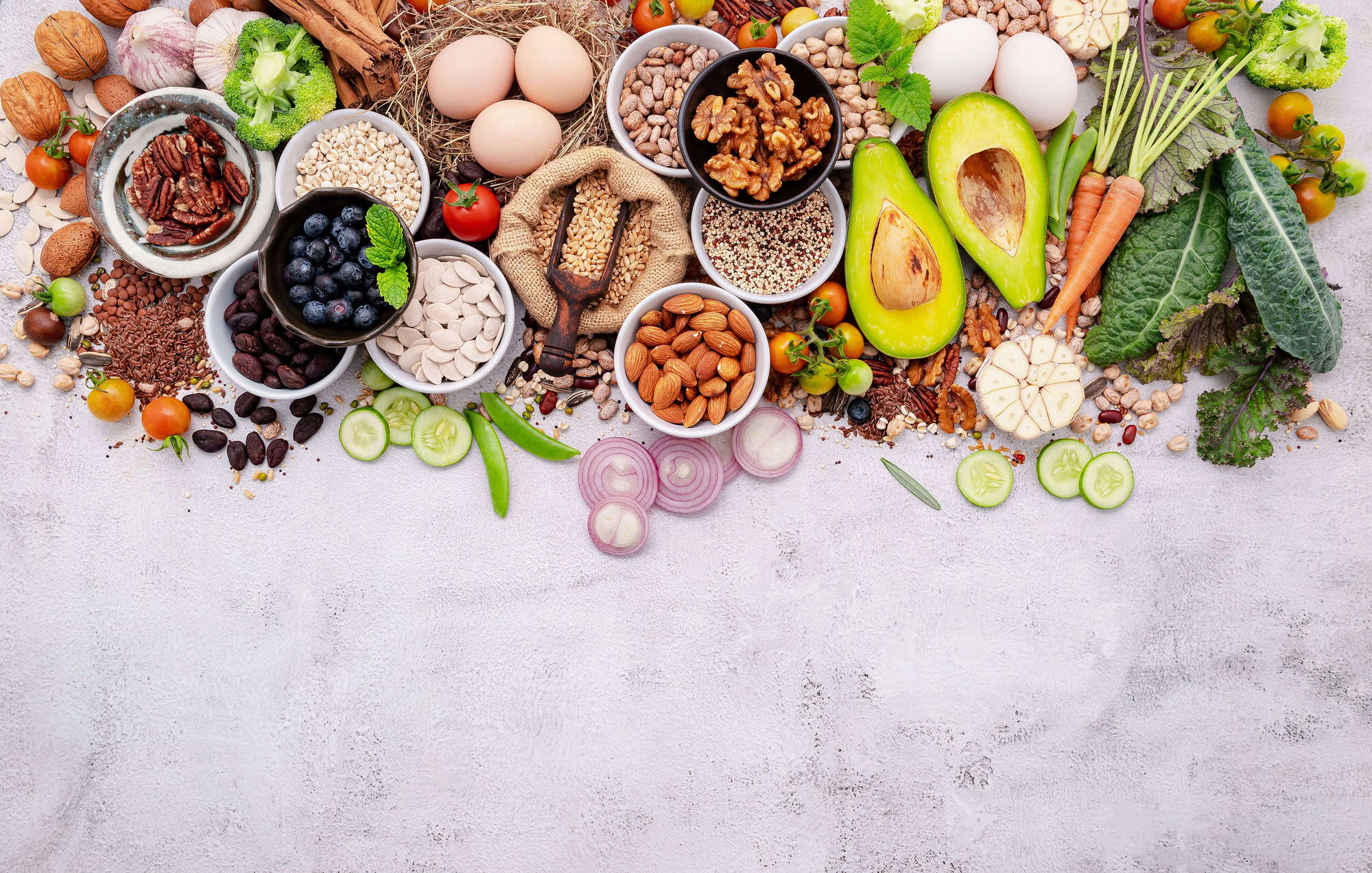
- Dietary anchors: The best daily dietary sources of vitamin E include almonds, sunflower seeds, hazelnuts, peanuts, avocado, and plant oils (sunflower, safflower, peanut, soybean), plus leafy greens like spinach or Swiss chard. For many adults, typical diets can meet the RDA of ~15 mg/day of α-tocopherol with consistent choices.
- When food isn’t enough: If you have a condition that limits fat absorption, are recovering from illness, or have a confirmed deficiency, diet alone may not restore levels quickly. Targeted supplementation—selected and dosed by your clinician—can help.
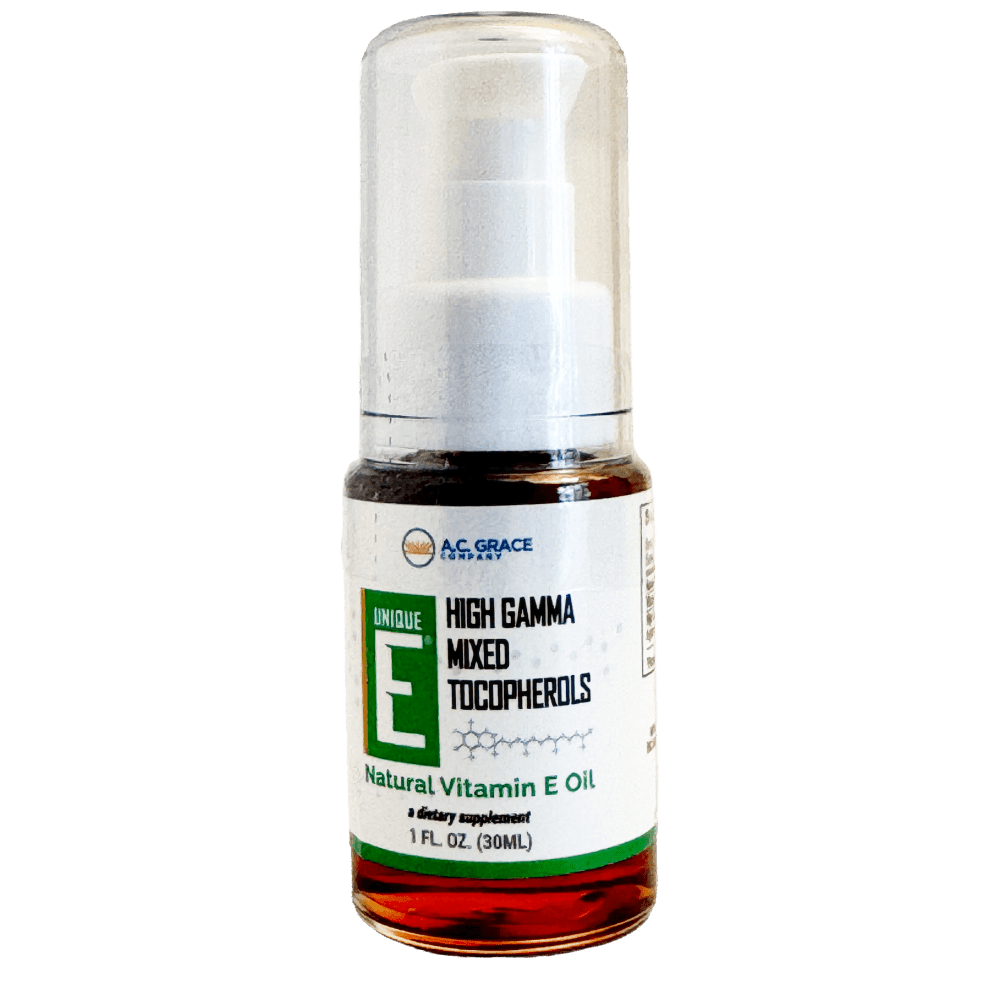
Most over-the-counter supplements contain synthetic vitamin E (dl-alpha-tocopherol), which is less bioavailable than natural forms. Instead, look for supplements made with natural d-alpha-tocopherol or full-spectrum E that includes tocotrienols—compounds that research increasingly shows may have unique benefits beyond α-tocopherol alone.
Make a Plan for Stronger Cells and Steadier Nerves—Supplement Safely With Vitamin E
Vitamin E deficiency doesn’t announce itself loudly, but its consequences—from neuropathy to immune sluggishness—are very real. If you and your clinician decide vitamin E belongs in your plan, choose products made with all-natural vitamin E and verified for identity and purity.
A.C. Grace has produced natural vitamin E for decades. After you’ve talked with your doctor, consider supplementing with A.C. Grace’s all-natural vitamin E as part of a broader program that also includes nutrient-dense food, adequate protein, and appropriate activity. That combination helps restore what deficiency takes away—and keeps your cells’ protective shield where it belongs: up.
Related posts



Recommended Products
-
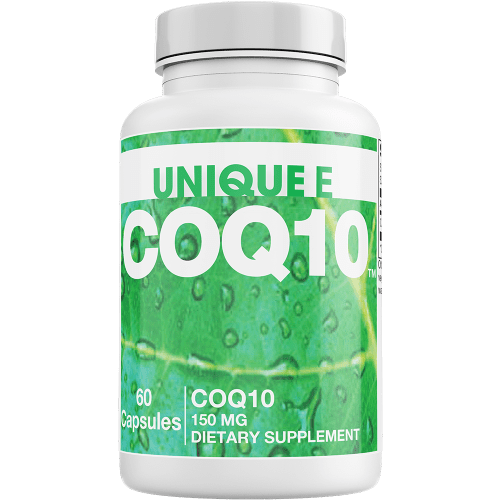
 UNIQUE CoQ10™ Ubiquinol 150 mg CQ10 - 60 Softgels
$43.81 - or subscribe and save up to 15%
UNIQUE CoQ10™ Ubiquinol 150 mg CQ10 - 60 Softgels
$43.81 - or subscribe and save up to 15%
-
Gift Card
Price range: $50.00 through $250.00
-
UNIQUE E® Mixed Tocopherols Concentrate – 30 Softgels
$16.99 - or subscribe and save up to 15%
-
UNIQUE E® Mixed Tocopherols Concentrate Vitamin E Oil – 1 Ounce Pump Bottle
$22.27 - or subscribe and save up to 15%
-
IronUp® Liquid Iron Supplement
$34.75 - or subscribe and save up to 15%