
Regular exercise is widely recognized as a cornerstone of a healthy lifestyle, offering numerous benefits such as improved cardiovascular health, weight management, and enhanced mood. Intense exercise can also lead to oxidative stress and muscle damage.
In a recent study conducted by a team of Korean researchers, it has been suggested that low dosages of dietary vitamin E supplementation may significantly reduce the oxidative stress and muscle damage brought on by exercise. This finding opens up new possibilities for athletes and fitness enthusiasts looking to optimize their training and recovery.
Heavy Exercise Causes Oxidative Stress
Exercise-induced muscle damage is a natural consequence of intense physical activity. When we engage in rigorous exercise, particularly activities involving eccentric muscle contractions (such as downhill running or weightlifting), the mechanical stress placed on muscle fibers can result in microtears and inflammation. This process triggers an immune response, leading to the release of reactive oxygen species (ROS) and free radicals, causing oxidative stress. Prolonged or excessive oxidative stress can impair muscle function and delay recovery, hampering overall performance.
Vitamin E Combats Oxidative Stress
Vitamin E is a fat-soluble antioxidant that plays a crucial role in protecting our cells from oxidative damage. Its primary function is to neutralize ROS and free radicals, preventing them from causing harm to our tissues. Vitamin E consists of several compounds, with alpha-tocopherol being the most common and well-known form—but recent studies have shown that other forms of vitamin E, such as tocotrienols, may have additional benefits.
Tocotrienols, like alpha-tocopherol, possess potent antioxidant properties. They have been found to be even more effective at scavenging free radicals and reducing oxidative stress compared to alpha tocopherol alone. Additionally, tocotrienols exhibit anti-inflammatory properties, which can further aid in mitigating exercise-induced muscle damage.
Vitamin E Supplementation Has a Direct Positive Impact on Exercise-Induced Muscle Damage
In the Korean study, researchers investigated the effects of vitamin E supplementation on exercise-induced muscle damage and oxidative stress. They recruited a group of physically active individuals and divided them into two groups: one receiving a low dosage of vitamin E supplementation and the other receiving a placebo. The participants underwent a strenuous exercise protocol designed to induce muscle damage.
The results of the study were promising—supplementing with vitamin E had a significant impact on muscle damage directly after exercise. The group receiving a low dosage of vitamin E supplementation (approximately 500 IU daily) showed a proactive impact against muscle damage. It also had a positive effect on athletes’ creatine kinase concentration.
Moreover, the study also highlighted the potential benefits of tocotrienols in enhancing endurance capacity. While the mechanism behind this effect is not yet fully understood, it opens up exciting possibilities for athletes and individuals looking to improve their endurance performance.
It is important to note that the study focused on dietary supplementation with low dosages of vitamin E, which can easily be achieved through a balanced diet rich in vitamin E sources such as nuts, seeds, vegetable oils, and leafy greens. However, it is advisable to consult with a healthcare professional before starting any supplementation regimen to ensure appropriate dosage and suitability for individual needs.
The recent study conducted by Korean researchers suggests that vitamin E supplementation, particularly with tocotrienols, may offer a valuable strategy to combat exercise-induced muscle damage and oxidative stress. By incorporating vitamin E-rich foods or considering dietary supplementation, individuals engaging in intense physical activity can potentially optimize their training, minimize muscle damage, and enhance their overall performance. As further research is conducted in this area, we can expect to gain more insights into the benefits of vitamin E and its various forms on exercise-related stress and recovery.
Supplement Safely With Vitamin E
If you’re an athlete looking to maximize your performance and protect your muscles from exercise-induced damage, vitamin E supplementation may be beneficial. Consulting with your doctor is crucial to determine the appropriate dosage and ensure it aligns with your individual needs.
Consider incorporating a high-quality vitamin E supplement that contains optimal levels of both tocopherols and tocotrienols, such as those available at A.C. Grace. These supplements can provide the necessary antioxidant support to combat oxidative stress and promote muscle recovery. By protecting your muscles and reducing damage, you may be able to push your endurance further and achieve your athletic goals.
Related posts



Recommended Products
-
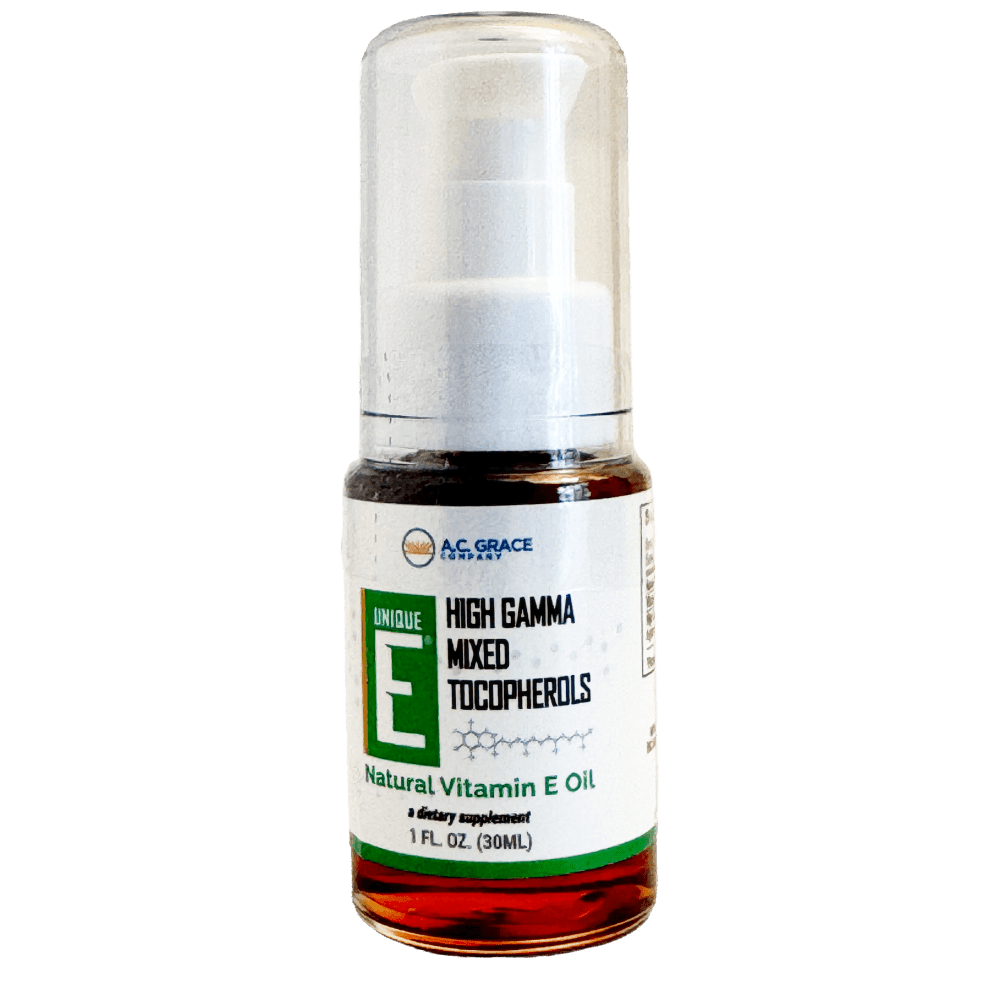
 UNIQUE E® Mixed Tocopherols Concentrate Vitamin E Oil – 1 Ounce Pump Bottle
$22.27 - or subscribe and save up to 15%
UNIQUE E® Mixed Tocopherols Concentrate Vitamin E Oil – 1 Ounce Pump Bottle
$22.27 - or subscribe and save up to 15%
-
Unique E® GG Gold - Geranylgeraniol Supplement - 60 Softgels
$32.99 - or subscribe and save up to 15%
-
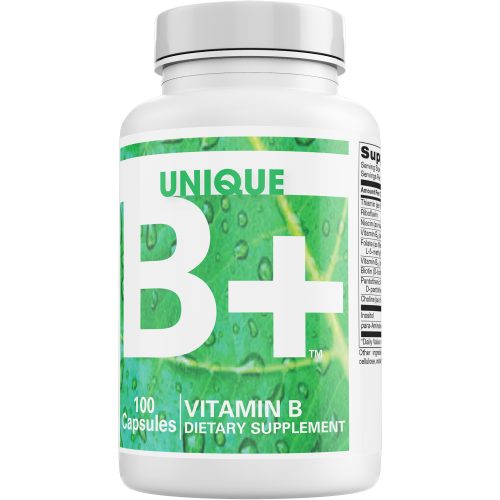
UNIQUE Vitamin B+ Supplement - 100 Vegetarian Capsules
$31.06 - or subscribe and save up to 15%
-
Cardio Unique E® – 60 Capsules in a Capsule
$42.35 - or subscribe and save up to 15%
-
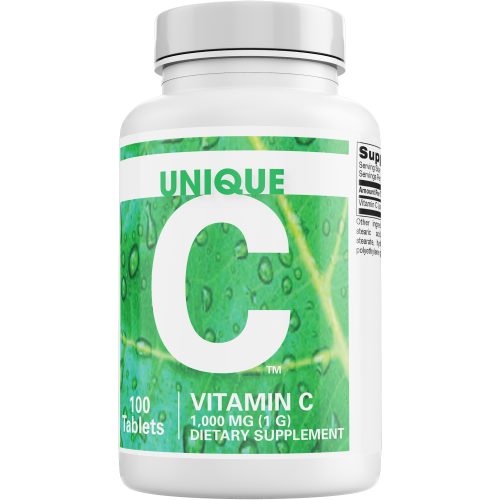
UNIQUE Vitamin C 1000 mg - 100 Tablets
$20.63 - or subscribe and save up to 15%