
A few weeks after my 43rd birthday in April 2025, [...]
-
Iron is one of those nutrients you don’t think about [...]
-
We all want to feel vibrant, energized, and ready to [...]
-
Long COVID, a perplexing condition that stretches the post-viral recovery [...]
-
Cardiovascular disease and hypertension continue to be leading causes of [...]
-
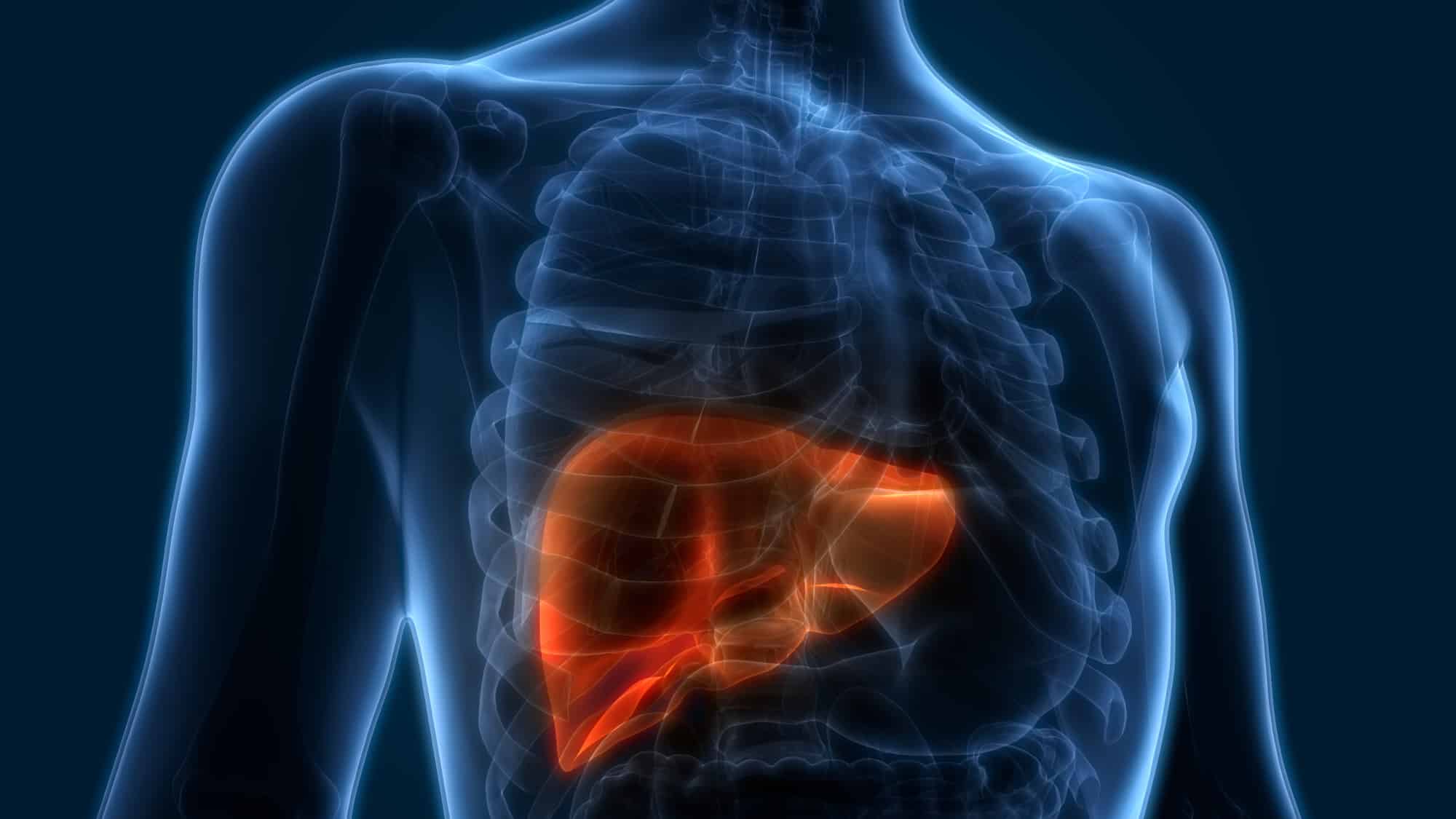
Non-alcoholic fatty liver disease (NAFLD) is a widespread health concern [...]
-
Vitamin E has long been recognized as an essential nutrient [...]
-
In something of a paradox, the exercise and strength training that’s meant to keep our bodies healthy actually creates an excess of free radicals. Managing them post-workout is an important step not only in exercise recovery, but for long-term health. Endurance athletes and bodybuilders rely heavily on growth hormones to develop and strengthen their muscles, and the free radicals produced during bouts of training can have lasting, negative impacts on development.
-
Antioxidants are just as crucial for men’s health as a healthy diet and regular exercise. They move around the body, seeking out harmful free radicals that can negatively impact several key aspects of a man’s health, including muscle mass, mood and much more.
-
Working hard in the gym and not seeing the results you’re looking for? You may not be getting the right combination of nutrients in your diet. There are several fat burning vitamins and minerals that can help you get on the fast track to a slimmer, healthier you, and adding these nutrients to your daily routine can dramatically improve your weight loss efforts.





Recent Articles
Article Categories
Products
-
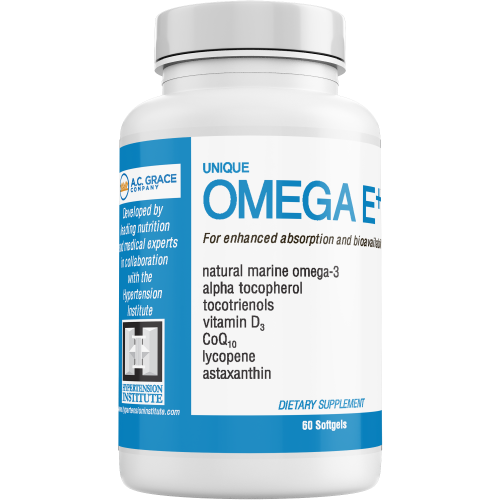
UNIQUE OMEGA E+® Omega 3 With Vitamin E – 60 Softgels
$25.99 - or subscribe and save up to 5%
-
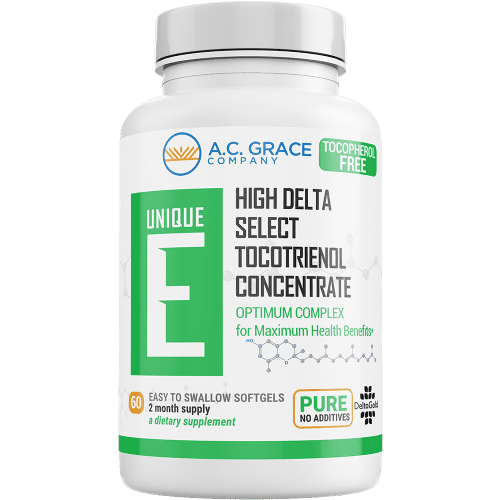
UNIQUE E® Tocotrienols – Tocopherol FREE – 60 Softgels
$42.99 - or subscribe and save up to 5%
-
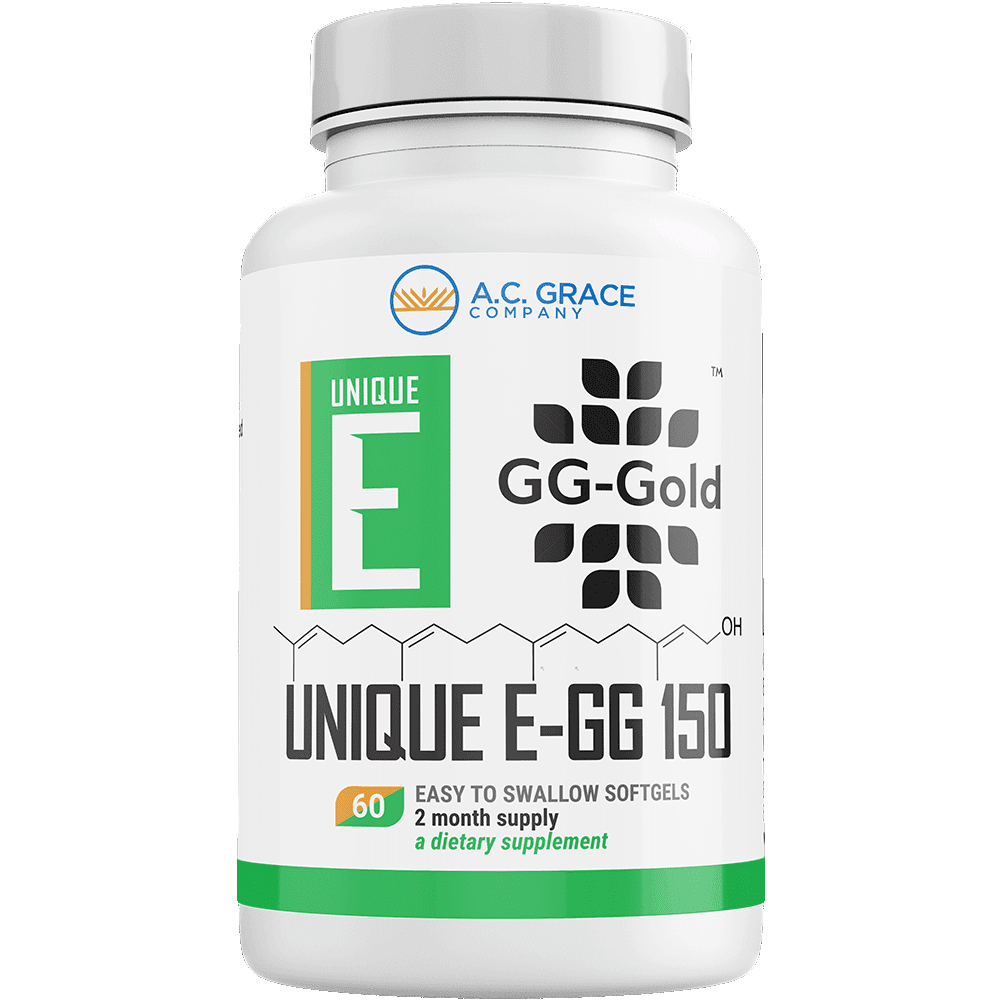
Unique E® GG Gold - Geranylgeraniol Supplement - 60 Softgels
$32.99 - or subscribe and save up to 5%
-
UNIQUE E® Mixed Tocopherols Concentrate - 120 Softgels
$44.62 - or subscribe and save up to 5%