
The beauty industry’s overflowing with everything from serums and retinoids, even exotic plant extracts, all promising to improve one’s appearance. But one powerhouse is getting the attention it deserves: vitamin E. Specifically, natural mixed tocopherols high in alpha (the most biologically active form of vitamin E) are drawing fresh scientific eyes in 2025 as researchers highlight their unique role as protectors and restorers of both skin and hair.
Unlike trendy actives that generate buzz only to fade with time, alpha-tocopherol has a long track record in human health. But new clinical and laboratory evidence shows its relevance for beauty is far deeper than previously understood, making it one of the most compelling “inside-out” nutrients. Here’s what you need to know:
Why Vitamin E Gets Attention in the Beauty Sector
Vitamin E isn’t just one compound; it’s a family of 8, with alpha-tocopherol being the form preferentially retained and circulated in human tissues. It’s a lipid-soluble antioxidant, meaning it embeds into cell membranes and protects delicate lipids from oxidative damage.
All of that matters when you consider that skin and hair are constantly under assault from the elements, like UV rays, pollution, and even metabolic byproducts. Water-soluble antioxidants like vitamin C can only protect the watery compartments of cells. Only vitamin E can safeguard those fatty structures that keep membranes resilient and hair cuticles intact.
Skin Transformation Backed by Clinical Research
The beauty promise of vitamin E has moved far beyond anecdote. A landmark 12-month clinical trial published in late 2024 followed 500 participants supplementing with natural vitamin E. The findings read like the check list of any skincare enthusiast:
- Hydration. Skin hydration levels improved by 45%, rivaling high-end moisturizers.
- Wrinkle reduction. Fine lines diminished by 32%, particularly in areas around the eyes and mouth.
- Collagen support. Natural collagen production rose by 28%, leading to visibly firmer skin texture.
- Photo-protection. Markers of UV-induced DNA damage dropped significantly, reinforcing vitamin E’s role as a preventive anti-aging nutrient.
What makes this study especially compelling is that improvements have been noted not just cosmetically but at the cellular level, like changes in collagen expression, barrier function, and DNA integrity confirm that alpha-tocopherol is working at the root of skin health, not simply providing surface-level benefits.
Rethinking Hair Care with Vitamin E
The research wave isn’t limited to skin. Vitamin E could:
- Add sleekness and shine. Frizz and dullness usually come from damage to the fatty layer that protects each strand. Vitamin E–rich oils can replenish this barrier, restoring shine and making hair smoother and easier to manage.
- Support scalp and follicles. Healthy hair starts with a healthy scalp. Vitamin E reduces oxidative stress and helps maintain the scalp’s lipid layer, creating stronger roots and a more resilient foundation for new growth.
- Improve scalp circulation. Better blood flow means more oxygen and nutrients for your follicles. Research shows vitamin E can boost circulation in the scalp, with animal studies linking it to increased follicle size and thicker strands.
- Prevent hair loss. Oxidative damage is a major factor in hair loss. As an antioxidant, vitamin E helps neutralize harmful free radicals. In one clinical trial, people with hair loss who supplemented with vitamin E saw significant regrowth compared to those who didn’t.
What’s striking is the dual mechanism: oral vitamin E improves the systemic antioxidant environment, while topical application directly nourishes scalp and strand. They work together to create conditions for optimal growth and strength.
Getting the Most from Vitamin E
One reason vitamin E has been overlooked in beauty is bioavailability. Because it’s fat-soluble, absorption depends on diet composition and supplement form:
- Pair with healthy fats. Consuming vitamin E alongside foods like avocado or olive oil can boost absorption.
- Natural vs. synthetic. Natural vitamin E (d-alpha-tocopherol) is roughly twice as bioavailable as its synthetic counterpart (dl-alpha-tocopherol). Most mass-market supplements use the synthetic form, which may explain why results are inconsistent.
- Food synergy. Sunflower seeds, almonds, hazelnuts, and leafy greens provide vitamin E in the context of other micronutrients, enhancing its function.
Timing also matters: morning intake with a fat-containing meal consistently showed the highest plasma levels in controlled studies.
For those who want to guarantee they’re truly getting the full spectrum of Vitamin E, look for natural, mixed tocopherol supplements rather than synthetic isolates. A specific formulation found in A.C. Grace’s UNIQUE E® Mixed Tocopherols deliver all four essential tocopherols—alpha, beta, gamma, and delta—sourced from natural vegetable oils, giving you the same complex profile found in whole foods
Smart Integration of Vitamin E into Daily Routines
Dermatology research emphasizes that vitamin E works best in combination strategies rather than isolation.
- With vitamin C: Together, these antioxidants regenerate each other, creating a stronger defense against UV and pollution damage.
- With hyaluronic acid: Evening use of both compounds enhances hydration and overnight repair.
- Weekly intensives: Concentrated vitamin E serums or masks used once or twice weekly have shown outsized benefits in improving barrier repair and reducing transepidermal water loss.
The future of effective skincare will likely rest on these intelligent pairings rather than one-off hero ingredients.
Could Vitamin E Be Your Best Beauty Ally in 2025?
As 2025 unfolds, alpha-tocopherol is finally getting recognition as a beauty essential. Clinical trials confirm what biochemistry has long suggested: vitamin E protects, repairs, and regenerates at levels few other nutrients can match.
Whether through diet, smart supplementation, or topical applications, getting adequate vitamin E may be one of the most accessible, cost-effective strategies for radiant skin and strong, resilient hair. So, if you’re looking to integrate vitamin E wisely, the priority should be natural forms, balanced intake, and professional guidance. In the world of beauty, where trends fade quickly, vitamin E’s staying power may be its most beautiful feature.
Disclaimer:
This article is for educational purposes only and is not intended as medical advice. The studies referenced highlight associations and potential mechanisms, but individual results may vary. A.C. Grace products are dietary supplements, not drugs, and are not intended to diagnose, treat, cure, or prevent any disease. Always consult a qualified healthcare provider before beginning any new supplement regimen, especially if you have underlying conditions or take medications.
Related posts



Recommended Products
-
 Cardio Unique E® – 60 Capsules in a Capsule
$42.35
Cardio Unique E® – 60 Capsules in a Capsule
$42.35
-
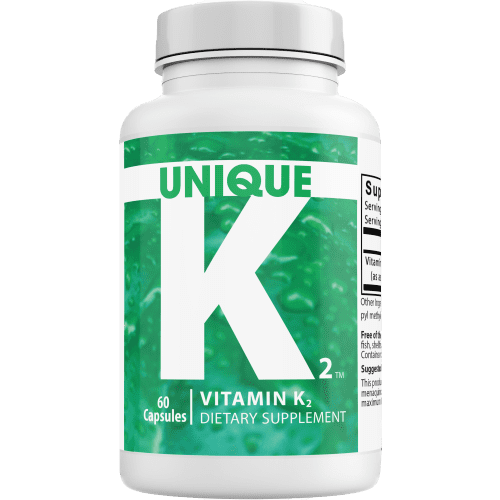
UNIQUE Vitamin K2™ Supplement - MK-7 50mgc
$29.08 - or subscribe and save up to 5%
-
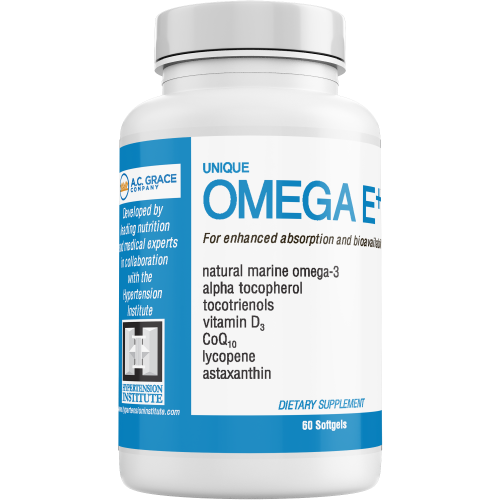
UNIQUE OMEGA E+® Omega 3 With Vitamin E – 60 Softgels
$25.99 - or subscribe and save up to 5%
-
UNIQUE Vitamin D3™ – 5000 IU 125 mcg
$17.37 - or subscribe and save up to 5%
-
UNIQUE E® Mixed Tocopherols Concentrate – 30 Softgels
$16.99 - or subscribe and save up to 5%