
Exercise-induced muscle damage is a common concern among athletes and fitness enthusiasts, as it can hamper performance and delay recovery, but recent research shows there may be a solution. A recent meta-analysis published in the journal Nutrients has shed light on the potential of vitamin E supplementation in reducing muscle damage.
The study found that doses of vitamin E below 500 IU could effectively lower the risk of exercise-induced muscle damage by reducing creatine kinase (CK) levels. Moreover, this effect was observed immediately after exercise, emphasizing the importance of vitamin E in post-workout recovery. In this article, we will explore the findings of this meta-analysis and discuss how the different components of vitamin E, namely tocopherols and tocotrienols, can help combat exercise-induced muscle damage.
The Power of Vitamin E
Vitamin E is a group of 8 compounds that includes both tocopherols and tocotrienols. While tocopherols have long been recognized for their antioxidant properties, tocotrienols have recently gained attention for their potential health benefits. Both forms of vitamin E can scavenge harmful free radicals, which are highly reactive molecules that can cause oxidative damage to cells, including muscle tissues.
Reducing Oxidative Stress
One of the primary mechanisms through which vitamin E reduces exercise-induced muscle damage is by minimizing oxidative stress. During intense physical activity, the body produces an excess of free radicals, which can overwhelm the natural antioxidant defense systems. This imbalance leads to oxidative stress, contributing to muscle damage. Vitamin E, with its potent antioxidant properties, helps neutralize these free radicals, thereby reducing oxidative stress and protecting muscle tissues.
Specific Benefits of Tocotrienols
In addition to tocopherols, tocotrienols, a less well-known form of vitamin E, have also been shown to play a role in reducing exercise-induced muscle damage. Studies have demonstrated that tocotrienols can enhance endurance capacity, as evidenced by increased swimming duration. Furthermore, they have been found to reduce exercise-induced oxidative stress, a common factor contributing to muscle damage. Therefore, supplementation with full-spectrum vitamin E, which includes both tocopherols and tocotrienols, may provide comprehensive protection against muscle damage caused by oxidative stress.
Understanding the Meta-Analysis
The recent meta-analysis included a comprehensive review of previous studies to evaluate the impact of vitamin E supplementation on exercise-induced muscle damage. The researchers found that doses of vitamin E below 500 IU had a significant effect in reducing muscle damage immediately after exercise. However, no protective effects were observed 24 or 48 hours after exercise. Interestingly, doses higher than 500 IU did not provide any additional benefits in terms of muscle damage reduction. This suggests that there is an optimal range for vitamin E supplementation and exceeding it may not yield further advantages.
The Athlete Advantage
The meta-analysis also highlighted that the benefits of vitamin E supplementation were mainly observed in athletes. This finding suggests that individuals engaged in prolonged, strenuous, and repetitive exercise are more prone to muscle damage caused by oxidative stress. For endurance athletes, who often push their bodies to the limits, the protective effects of vitamin E can be particularly valuable in promoting faster recovery and maintaining optimal performance.
Vitamin E May Reduce Exercise-Induced Muscle Damage
The recent meta-analysis on vitamin E supplementation and exercise-induced muscle damage offers promising insights for athletes and fitness enthusiasts. With its ability to scavenge free radicals and reduce lipid peroxidation, vitamin E, especially in doses below 500 IU, has shown potential in minimizing muscle damage immediately after exercise. By including both tocopherols and tocotrienols, full-spectrum vitamin E provides comprehensive protection against oxidative stress and contributes to faster recovery. Remember, though, it’s important to note that further research is needed to determine the optimal dosage and long-term effects of vitamin E supplementation.
Incorporating vitamin E into a well-rounded nutritional plan, along with proper training and rest, may help athletes mitigate exercise-induced muscle damage and optimize their performance. Remember to consult with a healthcare professional or registered dietitian before starting any new supplement regimen to ensure it aligns with your individual needs and goals.
All-Natural Vitamin E Is Best
While the findings of the meta-analysis suggest the potential benefits of vitamin E supplementation in reducing exercise-induced muscle damage, it is essential to consider individual circumstances and consult with a healthcare professional before incorporating any new supplement into your regimen. Your doctor can provide personalized guidance based on your specific needs and medical history.
If you receive approval from your doctor, it’s best to choose an all-natural vitamin E supplement that offers appropriate amounts of both tocopherols and tocotrienols. By selecting a high-quality supplement, you can maximize the benefits of vitamin E and support your body in making the most of your workouts. Remember, your health is paramount, and a well-informed approach will help you achieve your fitness goals safely and effectively.
Related posts



Recommended Products
-
 UNIQUE E® Mixed Tocopherols Concentrate - 120 Softgels
$44.62 - or subscribe and save up to 5%
UNIQUE E® Mixed Tocopherols Concentrate - 120 Softgels
$44.62 - or subscribe and save up to 5%
-
UNIQUE Vitamin D3™ – 5000 IU 125 mcg
$17.37 - or subscribe and save up to 5%
-
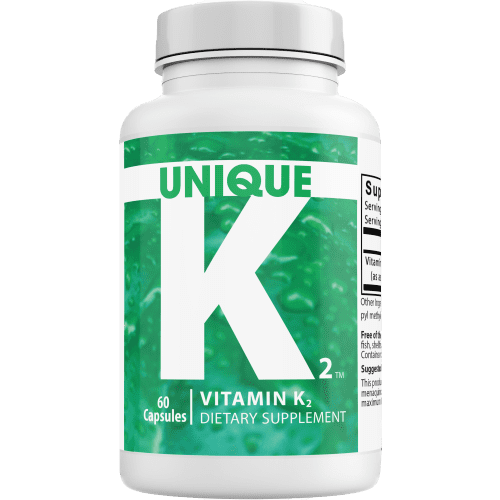
UNIQUE Vitamin K2™ Supplement - MK-7 50mgc
$29.08 - or subscribe and save up to 5%
-
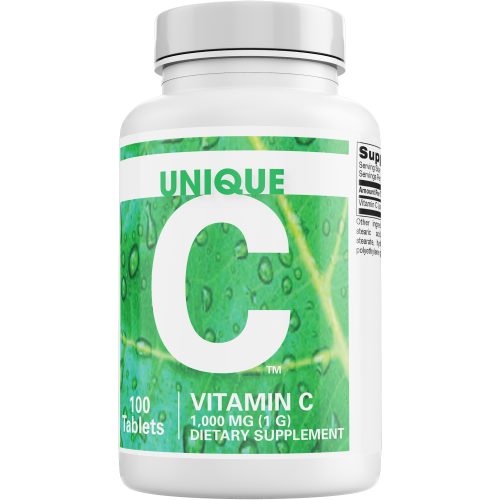
UNIQUE Vitamin C 1000 mg - 100 Tablets
$20.63 - or subscribe and save up to 5%
-
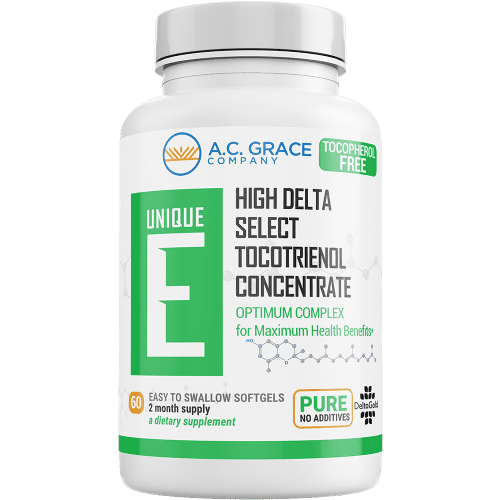
UNIQUE E® Tocotrienols – Tocopherol FREE – 60 Softgels
$42.99 - or subscribe and save up to 5%